


Protecting your home-based small business takes planning. Even if you live in a relatively safe and peaceful community, your company is still at risk. Indeed, the greatest threat to your business is not a physical break-in and theft, but a virtual one. That is why you must protect against both forms of intrusion.
Here are a few practical measures you can take to protect and secure your home business:
1. Identify and monitor potential cyber threats
Many companies purchase off-the-shelf IT security systems in the mistaken belief that they will protect them against hackers and other virtual intruders. What such individuals don’t realize is that the virtual threat is constantly changing. There is no guarantee that a software package bought today can protect you against the dangers of tomorrow.
Before you can protect yourself against cyber threats, you must learn what they are. You must also be able to constantly monitor and discern the ever-shifting landscape of the threat. This requires the effort of well-trained, experienced, and vigilant professionals. Using MSSP cyber protection for small business meets this requirement. They will give you the maximum amount of protection against virtual attacks on your business systems. Managed security service provider professionals will monitor all your IT networks, detect threats, and continually update your security infrastructure to defend against them.
In addition to hiring MSSP professionals, you should take the initiative to regularly back up data, implement a sound password policy, and keep your operating systems current.
2. Safeguard Inventory
Hiring MSSPs takes care of virtual security. If you keep important documents, products, and other tangible items of value in your home, you must safeguard them. Many home-based business owners use basements, sheds, and attics to store products and records. These spaces are vulnerable to theft and sabotage and must be secured through various means and measures. In outdoor storage areas, you should install padlocks to protect your stuff. Indoor inventory spaces can be secured with number combination locks.
3. Install Advanced Monitoring and Alarm Systems
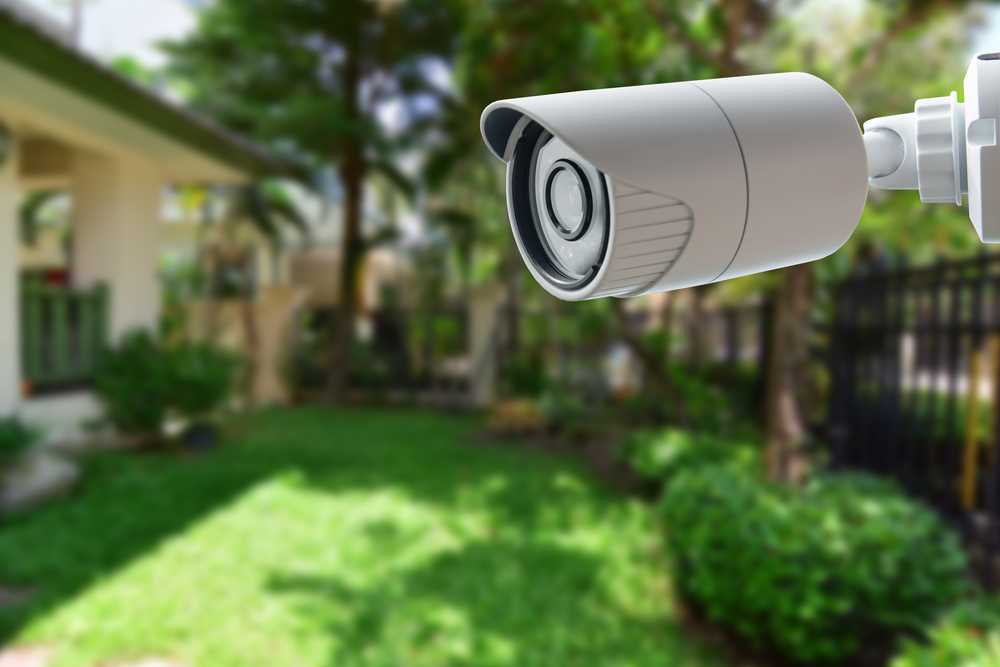
You should install the most advanced video monitoring and alarm system on the market if you run a home-based business. The cost should be viewed as start-up capital. To have your house burglarized is bad enough. If the house serves as the main operating center for your business, such vandalization and theft can lead to disaster. The loss of important devices, records, and products can set you back for some time.
The most advanced home surveillance camera systems allow you to monitor the interior and exterior of your home through hand-held devices. The best alarm systems create the kind of noise that tends to frighten off criminals and at the same time alerts law enforcement authorities.
4. Educate Your Employees
Security should be the concern of all your employees. You should train your employees on how to best secure company laptops and tablets when they finish for the day. You should also have employees themselves conduct security training. This will give them an easy way to master security tactics and techniques and will compel them to take an interest in protecting company property.
5. Get Adequate Insurance
You should take out insurance on your business. Simple home insurance will not cover the damage or theft of business-related equipment. Having good insurance is essential to mitigating any financial loss suffered as the result of a break-in. It is best to work with companies that specialize in insuring small businesses. They will offer policy options that match your needs and that are cost-effective.
