
Countless businesses rely on heavy equipment to operate. They aren’t always the ones you would expect either: In addition to common heavy equipment businesses like construction and excavation, companies in the food production, tourism, plumbing, and plumbing industries (to name a few) also use heavy equipment.
If you’re starting a business that requires heavy equipment, don’t go in blind. You should know what you’re doing, how you’re securing financing, and how you can commit your employees to safety before you spend your first dollar.
Not sure where to start? Don’t worry. In this article, let’s explore the costly, complex world of heavy equipment. Below, you’ll find answers to the most common heavy equipment questions.
Table of Contents
What Is Heavy Equipment?
Let’s begin with the basics by defining the parameters of heavy equipment. Technically, heavy equipment is any machine, vehicle or piece of equipment that exerts ground pressure of more than eight pounds per square inch. In common usage, however, heavy machinery refers to machinery specifically designed for industrial use.
Types of heavy equipment include:
- Pull-type equipment
- Lifting equipment
- Bulldozers
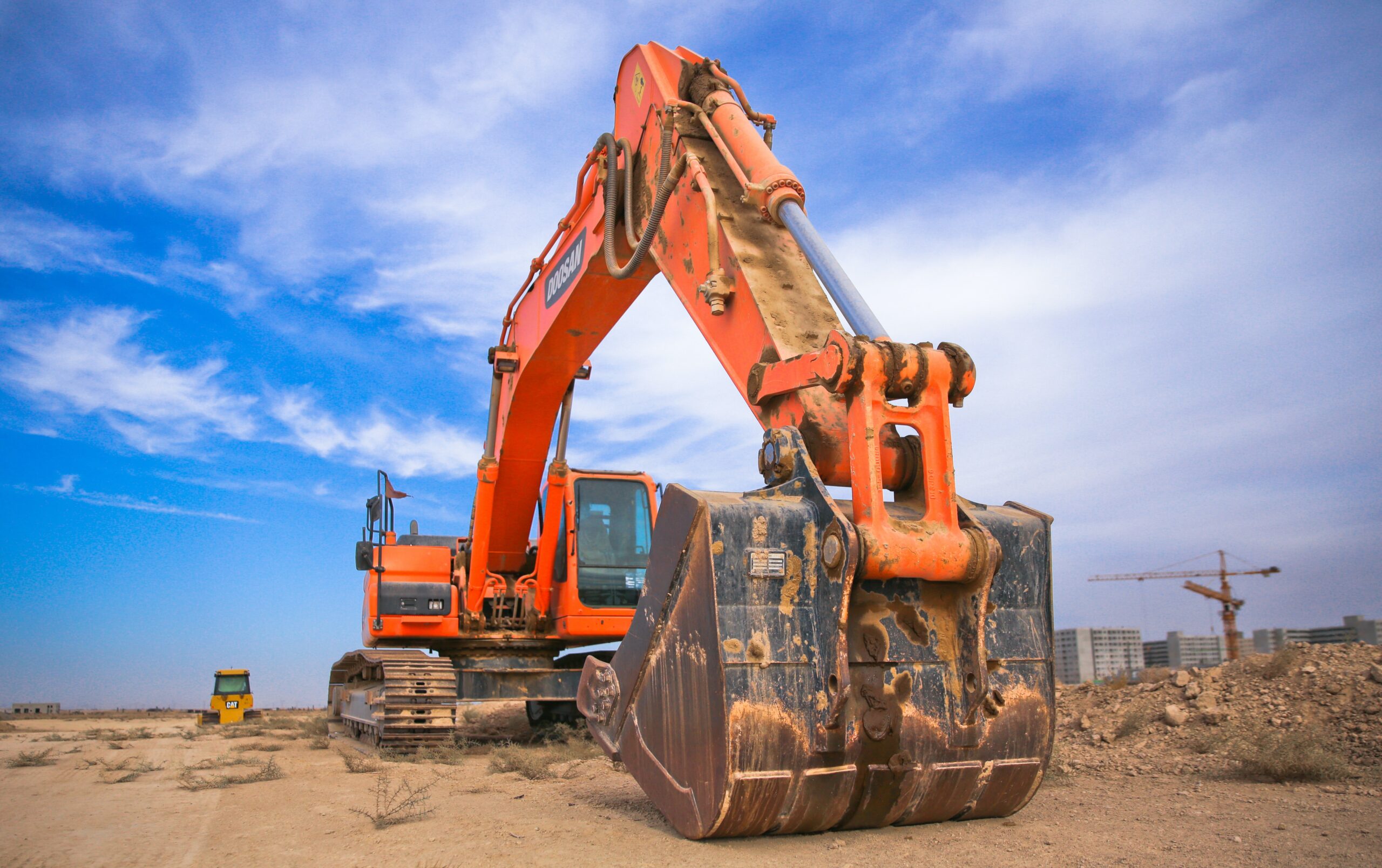
- Excavators
- Crawler and Backhoe Loaders
- Dump trucks
- Compactors
- And much, much more.
Here’s the bottom line: heavy equipment is a broad designation. But all types of heavy equipment, regardless of what industry they serve, need financing, inspection and safety protocols.
How Do You Finance Heavy Equipment?
Heavy equipment is expensive. Buying a bulldozer or excavator outright can severely disrupt a company’s cash flow, which is why many owners seek out heavy equipment financing in the form of loans and leases.
However, not all equipment financing companies are created equal. The last thing you want is a financing company that pushes a one-loan-fits-all approach on you. Instead, find an experienced heavy equipment financing company that takes a holistic approach to your business needs – one that takes the time to understand your budget, equipment usage and strategic financing needs.
It’s essential to create a list of essential equipment that you must have for your business to function and prioritize it based on the most crucial equipment. For instance, construction companies need Durable concrete silos to keep their materials safe and dry, while a manufacturing company may require an industrial-sized oven. Conversely, a local plumbing company may need a heavy-duty truck more than an excavator. Research the prices for each item and compare financing rates to determine the most financially sound option for your business.
How Do You Keep Everyone Safe?
Implement safety protocols right off the bat according to your local department or ministry of labor. This usually includes enforcing the use of PPE like hard hats, high visibility clothing and safety glasses. And it almost always entails frequent equipment inspections, regulated supervision, employee training, and other measures. There is no reasonable way for an internet article to detail every safety regulation in every jurisdiction; instead, do your research through your local department or ministry.
How Do You Stay on Top of Trends?
Finally, a large part of owning a heavy equipment company is staying on top of trends. Recent trends include the integration technologies and the push toward greener practices. It’s important to remain knowledgeable about these trends as they may influence what equipment you eventually obtain.
Again, this is another reason to seek equipment financing rather than buying outright; trends change constantly, and it’s easier to upgrade your equipment when you work alongside an equipment financing company.
Starting a business is never easy, but adding heavy equipment to the mix poses an added challenge. Use this guide as a starting point, then speak with the experts at your local department of labor and equipment financing company to learn more.