

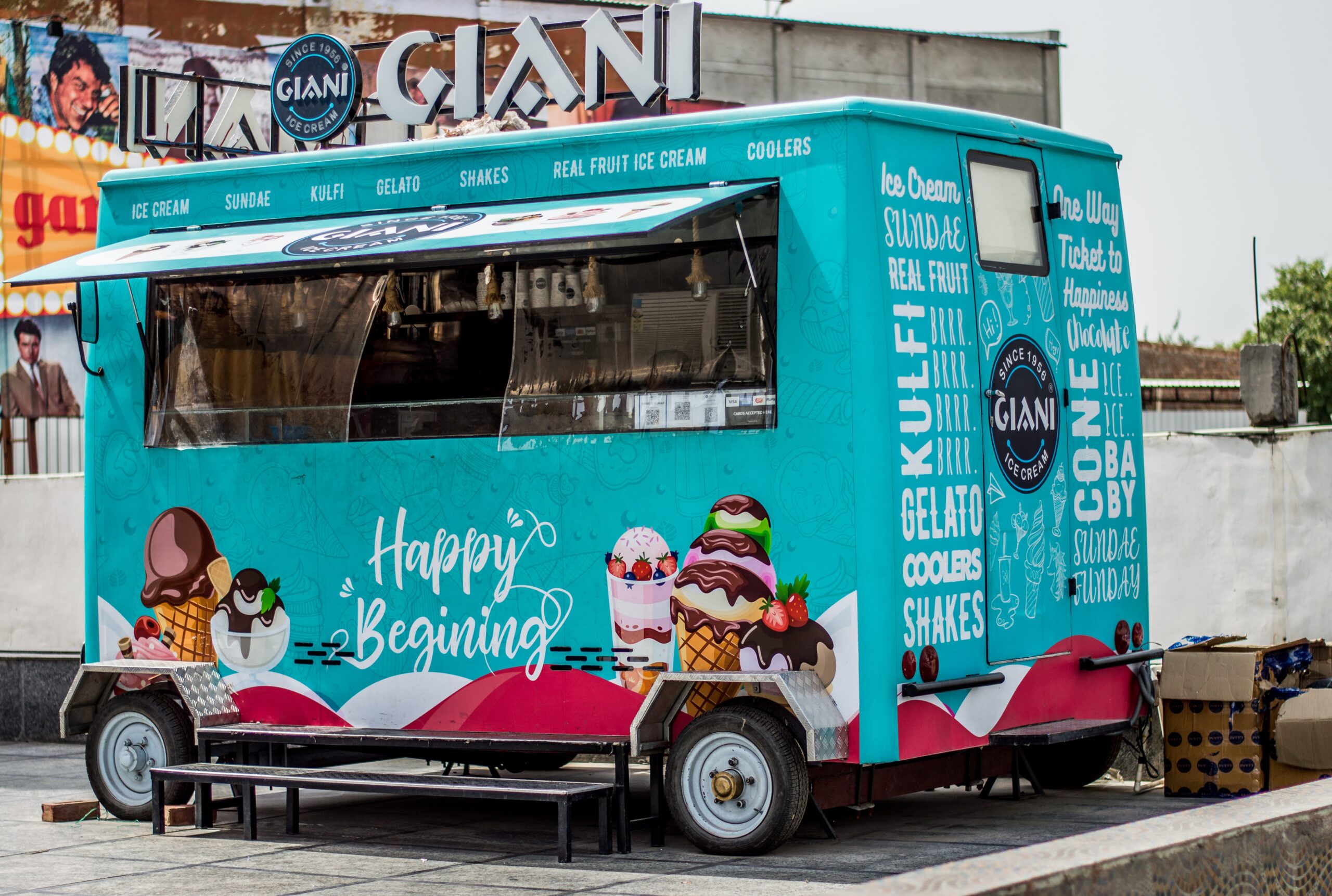
Mobile businesses have never been more popular, and they can be just as profitable as regular brick-and-mortar companies if you create a good business plan and consider the ongoing costs of running a company on wheels. For instance, mobile business owners typically need to pay for regular startup expenses as well as other costs such as vehicle insurance, fuel, and sometimes even parking. You’ll also need to purchase a new truck, van, or another type of vehicle for your mobile business.
These tips from brigittesglobalstore.com share all the information you need to start and manage a mobile business successfully, so read on!
Table of Contents
Choose Your Mobile Business Ideas
Selecting Your Mobile Business Niche
Your first step is identifying a business idea that resonates with your interests and skills. Whether it’s a gourmet food truck, a roving fitness gym, or a mobile pet grooming service, the key is to choose a niche where your passion and proficiency align.
If you’re thinking of launching a mobile business of your own, a few ideas to consider include food trucks, hair salons, pet grooming, gyms, and coffee carts. You could even open your own bookmobile, flower truck, or bicycle repair shop on wheels. However, it’s important to pursue an idea that aligns with your skills, stands out from the competition, and truly interests you.
Unlike brick-and-mortar companies, mobile businesses allow you to travel to your target audience and serve them by trailer, bus, van, or cart — eliminating the need to buy or lease a physical space and wait for your customers to come to you.
Analyzing Market Demand
Analyzing market demand for a business on wheels, such as mobile food trucks or mobile services, involves understanding the broader trends in the mobile market. The Mobile Marketing Market is growing rapidly, with a projected compound annual growth rate (CAGR) of 25% over the next five years. This growth indicates an increasing consumer preference for mobile and on-the-go services.
Conduct thorough market research to understand the needs and preferences of your target audience. This involves exploring existing mobile businesses, identifying gaps in the market, and tailoring your services to meet those unfulfilled needs.
Plan Your Mobile Company
Outlining Your Business Model
A well-structured business plan is your roadmap to success. It should detail your business concept, services or products and a clear marketing strategy to reach and engage your potential customers. In addition to choosing an idea for your new company, you’ll need to create a business plan. You can find free sample business plans online, but the important thing is that you include the following in your planning:
- A description of your business
- The types of products or services you’ll offer
- A market analysis
- Your financial projections
- Your marketing plan
As you plan your mobile business, it’s important to think about how you will name and structure your company. If you’re planning on purchasing a vehicle under your company’s name, for instance, you’ll need to form a legal entity such as a limited liability company (LLC) or corporation. Forming a legal entity such as this will protect you from personal liability and allow you to claim any vehicle-relaxed expenses on your business taxes.
When choosing a legal structure for your mobile company, you’ll also need to review the business formation laws in your state. Once you’ve done so, the best place to register LLC paperwork is online or through a formation service or your state’s Business Agency, Business Bureau, or Secretary of State.
Financial Projections and Funding
Prepare realistic financial projections, including startup costs, ongoing expenses, and revenue forecasts. Explore various funding options, from personal savings to small business loans, to ensure adequate capital for your venture.
Creating financial projections for a mobile business idea like a food truck business involves several key aspects. To start, you should estimate your monthly expenses, including the cost of food and beverages, and use these to create a break-even analysis.
A critical component of your financial plan is the Sales Forecast, which projects the cash flow into the business. On average, food trucks can generate between $500 – $1,500 in sales per day during midweek, with weekends and holidays potentially seeing higher revenue. It’s also important to note that the average annual profit for a food truck business ranges between $9,000 and $13,500.
When considering funding options for your food truck business, personal savings, small business loans, or investments can be viable sources. It’s crucial to have a comprehensive business plan in place detailing your financial projections to attract potential investors or lenders.

Know Your Local Mobile Business Regulations
Rules surrounding mobile businesses vary widely throughout the U.S., so be sure to review your local regulations early on in the startup process. Depending on where you’re starting a mobile company, you may need to apply for industry-specific licenses, health department permits, fire certificates, seller’s permits, and local business licenses. In Washington D.C., for instance, all mobile businesses need a Vending Business License and a Mobile Site Permit or Sidewalk Site Permit.
Consider Ongoing Vehicle-Related Expenses
While purchasing your business vehicle will be one of your biggest expenses as you prepare to launch your company, it’s a good idea to consider some of the ongoing costs of running a mobile business. These costs typically include:
- Vehicle Maintenance and Fuel: Regular upkeep of the mobile unit, including oil changes, tire rotations, and any repairs. Fuel costs can vary depending on travel frequency and distance.
- Supplies and Inventory: For a food truck, this includes purchasing food, beverages, and cooking supplies. In the case of mobile pet grooming, grooming supplies are a regular expense.
- Insurance: Even mobile businesses require insurance. For a food truck, this includes liability and property insurance. Mobile pet groomers need professional liability insurance and possibly animal bailee coverage. Check the requirements for small business, vehicle, and inventory insurance.
- Marketing and Advertising: Ongoing costs for promoting the business through digital marketing, social media, and local advertising.
- Permits and Licenses: Regular renewal of necessary permits and licenses, such as annual vehicle registration fees, can vary depending on the location and nature of services offered.
- Staffing: If the business employs staff, ongoing costs include salaries, benefits, and potentially uniforms or other supplies.
- Miscellaneous Expenses: This includes parking fees (if you cannot park the vehicle at home, utilities (if applicable), and any other incidental expenses that may arise during business.
Since it’s hard to predict when your vehicle will require repairs, it’s important to find a reliable mechanic well before the need arises. You could also teach yourself a bit about car mechanics to perform basic repairs independently.
Launch Your Mobile Business
The pandemic has opened the door to many new business opportunities, and food trucks, traveling bars, and mobile gyms are just a few of them. So whether you’re preparing to launch a food truck or another type of mobile business, there’s no better time to start a company on wheels!
Could you use some guidance as you get your dream business off the ground? Visit brigittesglobalstore.com to learn everything there is to know about starting a business, working from home, and growing as an entrepreneur!
