


The eCommerce market is entering its golden age.
According to a recent survey, the global retail eCommerce market is said to touch an estimated $4.921 trillion. That is a whopping 16.8% surge from the past financial year.
No doubt why you are so invested in the eCommerce industry.
But, here’s the thing. Where there is a floodgate of opportunity, there lies a landmine of danger at the same time. It attracts steep competition owing to the promising future it has to offer to global businesses. To build a successful eCommerce business you would need to go the extra mile.
You would have to build your unique selling proposition (USP) and focus on brand building to succeed and sustain in the long term.
The problem is building a loyal fanbase is trickier than you think. But fret not. In this blog post, we provide you with the core elements that can ensure you direct your business towards success.
4 Elements that your eCommerce business needs to succeed in 2021
The core of a successful eCommerce business is based on four pillars:
- Intense research
- Aggressive marketing
- User experience
- Analytics
Aligning these together can help you reach your desired goals.
But here’s the thing. Working your way up to reach product-market fit can be immensely improved if you integrate the SaaS tools that the market has to offer. These tools not only streamline your tasks but declutters your workspace to have the maximum creative time to make quality decisions.
In the following section, we dive deeper into each of the sections that you can integrate into your eCommerce business. Along with that, we also suggest you the best tools that you can utilize to streamline the respective process.
1. Research
Researching is step zero for creating a successful eCommerce business. Without understanding who your audience is, who your competitors are, and how big your market is, creating momentum is impossible. Having a complete understanding of your landscape gives you the opportunity to build your unique selling proposition (USP). What follows is a better chance for your brand to stand out.
The following section gives you an idea about the core tools that you can use for ensuring success with audience and market research.
a) Audience research
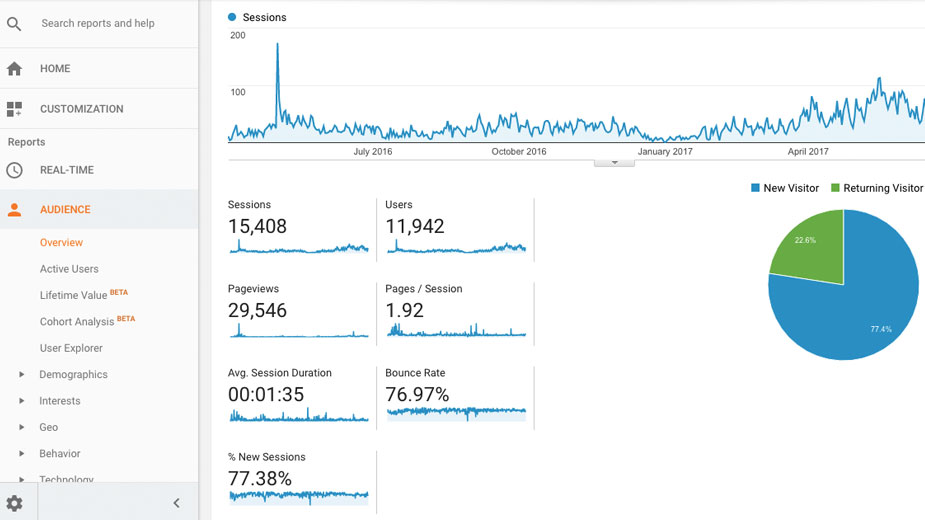
When it comes to audience research, Google Analytics is unbeatable. This powerful audience insights platform makes tracking audience behavior dirt simple.
Under a single dashboard, you can track every marketing move and campaign you set for your business. From the keywords you rank for to the content pieces that underperform to the design flows that create maximum bounce rate, you have detailed access to every report. This means, with such actionable data in hand, you can optimize your processes smoothly.
b) Competitor research
When it comes to competitor research, SurveyMonkey (now, Momentive) is a beast. Not only does it help you to understand who are the market leaders but it helps you to find out why your target audience chooses them over every other market player. All you need to do is create a survey form for your target audience and collect the responses of your audience.
The best part is it has an interactive and graphical insight dashboard that ensures easy and quick comprehension of the results of the survey.
2. Marketing
No matter how powerful your product is, if your target audience is not aware of it, your eCommerce business will fall flat. This makes marketing so critical. But what is even more interesting is that your audience, on average, needs seven brand interactions to remember your brand.
This makes developing comprehensive, omnichannel marketing a prerequisite. To do so easily, here are a few tools.
a) Email marketing
No matter how old school it may sound, emails still hold their personal touch. But if you still need reassurance, let the data convince you. On every dollar that you spend on email marketing, you get $44 in return on average. That is a 4400% return.
However, to ensure that this potent source can deliver you promising results, choosing the right platform is critical.
Your ideal email marketing tool must be high-performance on deliverability, automation, and segmentation capabilities. It should be able to give you end-to-end reports on your email performance so that you can optimize your campaigns.
Fortunately, there are multiple platforms that can deliver these prerequisites. One of them is Klaviyo. However, there are strong Klaviyo alternatives that can do the job as well. One of them is Mailchimp.
b) Social media marketing

In a time when even your pet, goldfish is on social media, if you are still not using it for your business growth, you are losing money on the table. But just being active on social media platforms would not do the work. You need to be strategic in your approach.
Here’s what you can do, instead.
Choose all the platforms that your ideal audience hangs out on already. Be present and create content aligned to each of these platforms. This will give you maximum exposure to your brand. For instance, if your audience is on Instagram, utilizing the platform and engaging with your audience here becomes a high priority.
No matter what method you use for Instagram engagement, whether it is Instagram stories or Instagram reels, it should be determined by your target audience’s content consumption behavior. But what are Instagram reels really?
In simple language, it is the post format that enables you to tag your products for sale in the post itself. This on-the-go product information makes it a powerful method of Instagram sales generation for eCommerce businesses. Your audience and potential customers can look into the pricing details of a product while they browse through your content.
3. User experience
If there is one element that can make or break your business’s momentum forever, it is the user experience. Infact, it is one of the most crucial elements that helps you to build your brand. Done right, it can not only create a raving fan base of your product but turn your loyal customers into brand evangelists.
But achieving this is complex. It takes a lot of hard work and strategic decision-making. Fortunately, the user experience SaaS market offers enough powerful tools that can help you streamline this process significantly.
In the following section, we talk about the top tools you can use for improving your user experience.
a) Design and wireframes
Creating an optimal experience for your audience starts with personalization. You need to map the content to the user journey, ensure contextual offers and information, and more. But getting all the elements right on the first go is very challenging.
Using a design tool ensures you can create versions of your design to test them on real users to find the most optimal version. This saves you both time and resources on the final development of your website.
There are multiple tools to do so. Balsamic is a powerful wireframing tool. But if you are looking for a complete prototype tool, Figma is a great choice.
b) Customer Relationship Management (CRM)
One of the most critical tasks of any business is to retain existing relationships with customers. While your focus is always to acquire new eyeballs, if your sales pipeline is leaky, there is no point in having new customers.
After all, customer acquisition is 6X more expensive than customer retention.
There are many CRM tools that can keep your customers engaged end-to-end. Hubspot CRM is one such tool. It can render personalized experiences and content suggestions on the basis of customer profile and behavior.
4. Analytics
Business is all about optimization. However, if you cannot measure your process, improving it is next to impossible. This makes analysis such a critical element in brand building. It gives you the complete assessment of the performance of your business efforts, be it marketing, customer experience, or product development.
The best part is there are multiple SaaS tools available to streamline your performance audits.
The following are two of the most critical tools that you cannot afford to miss.
a) Net Promoter Score (NPS)
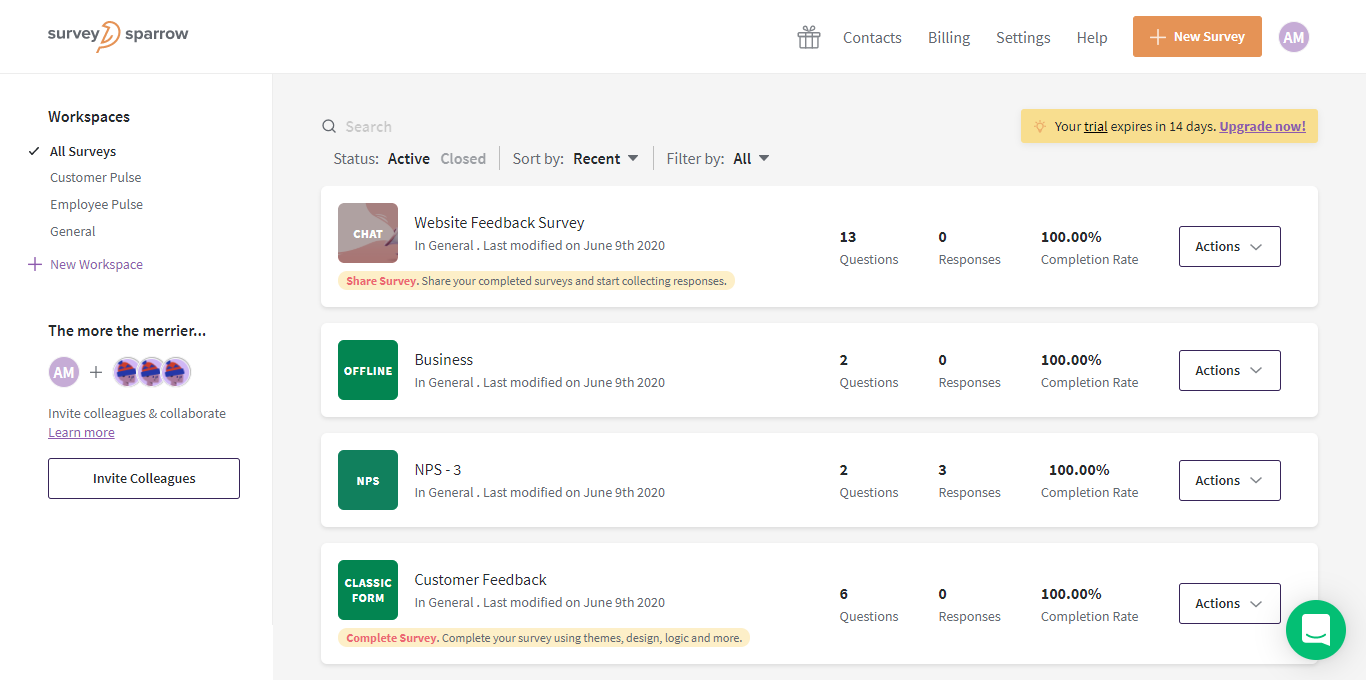
Understanding the product-market fit is one of the key tasks of audits for businesses. If you do not understand what your audience wants, you are sure to fail. This makes NPS a key task.
Fortunately, tools like SurveySparrow automates this operation easily.
b) Heatmap analysis
Knowing the overall performance of your product and business operations is one thing and understanding the exact areas that underperform is another.
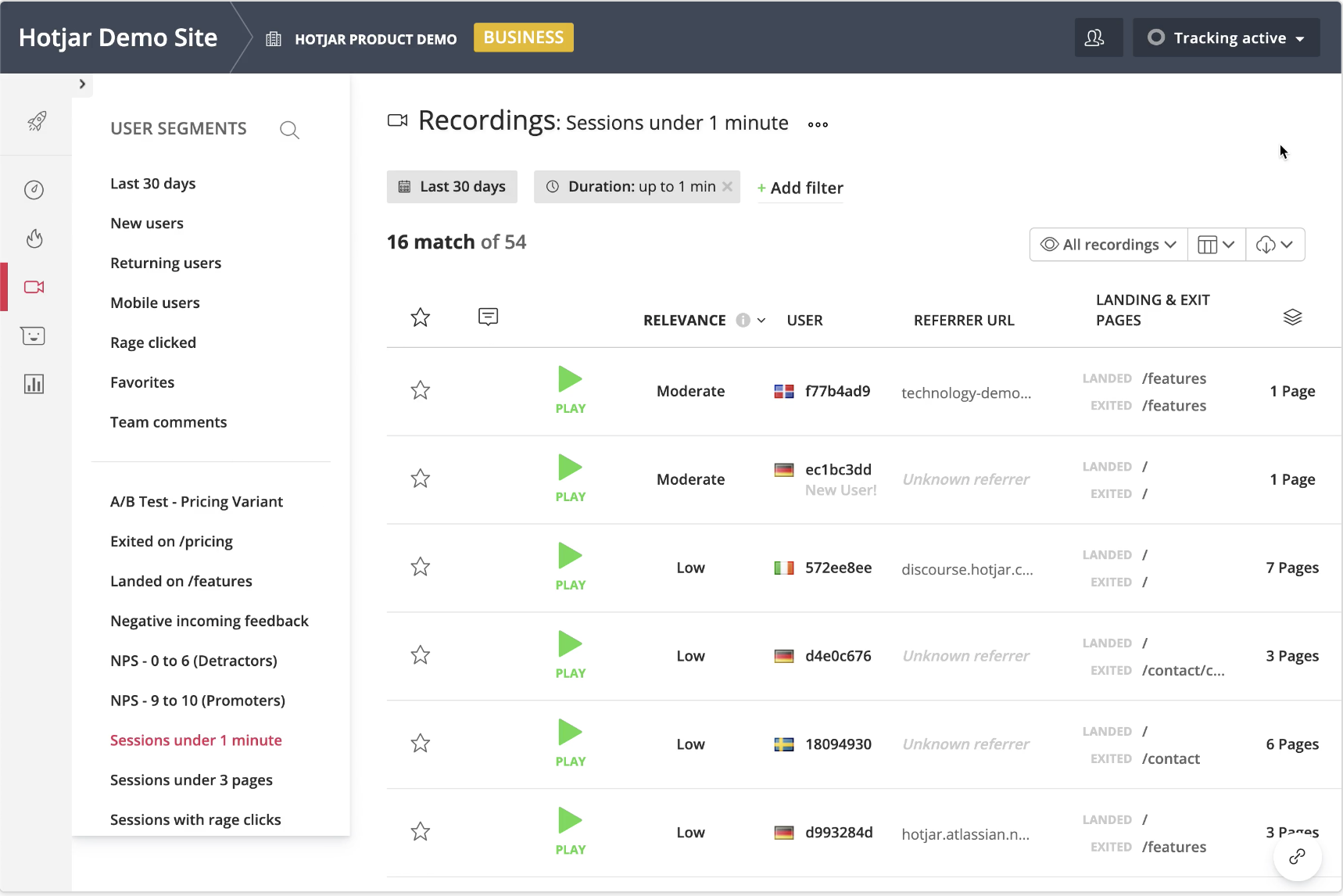
Generating heatmaps of your websites gives you a close insight into the elements with which your traffic interacts the most and the least. This creates an opportunity of optimizing your website for better conversions on the basis of hard data instead of theory.
Hotjar is one such tool to consider for heatmaps.
Conclusion
So now when you have a comprehensive idea of the key elements that drive your eCommerce business, it is action time.
You need to integrate the above steps and tools into your business. But along with that, stay cognizant of your target audience’s real-time needs and wants. This will help you prioritize steps for maximum results.
Remember, every problem in a business is an execution problem. Therefore, until you deploy them, optimizing your process is next to impossible.
