

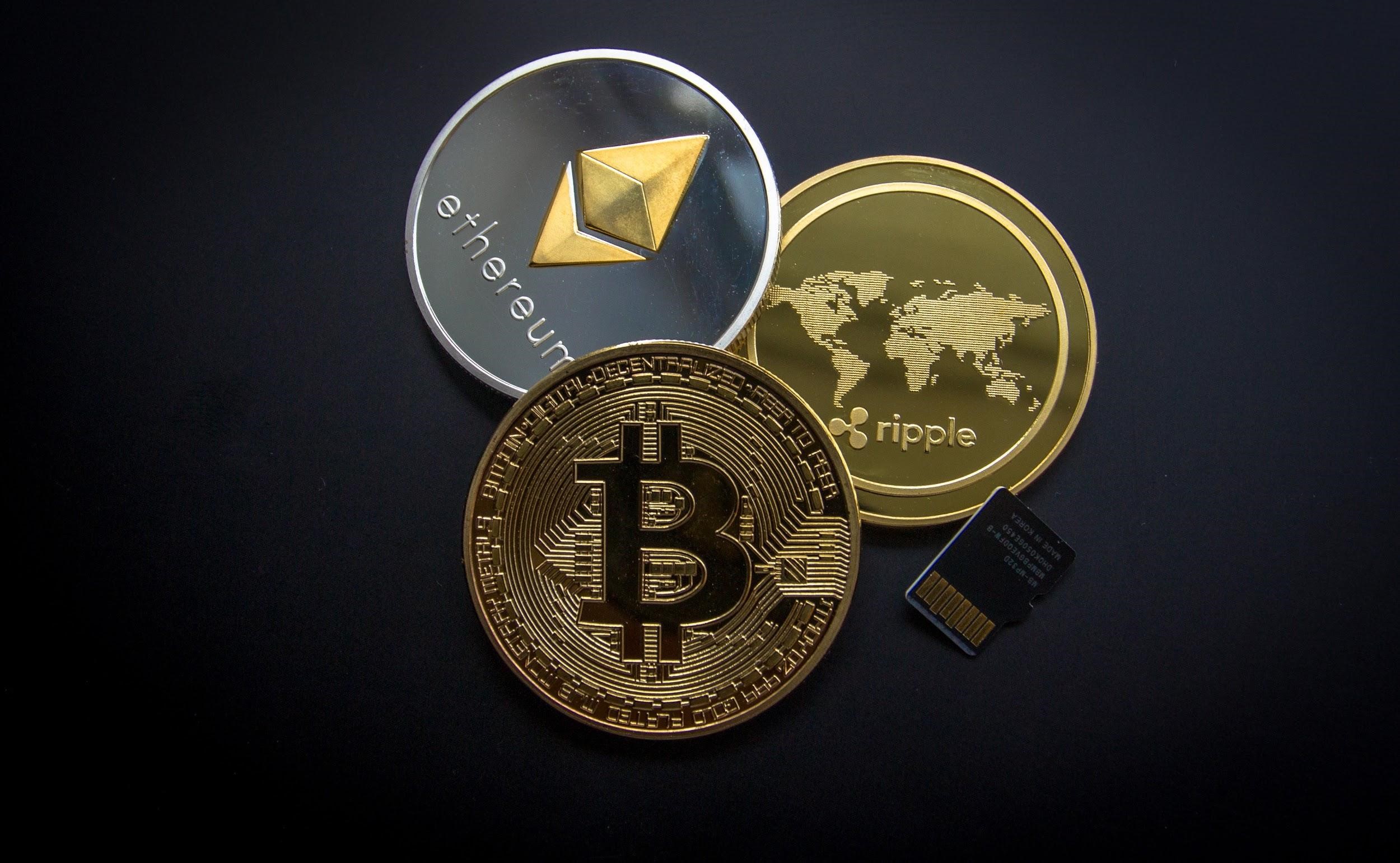
Distributed Ledger Technology (blockchain) is gaining traction and disrupting different industries. The traditional banking/finance industry looks good for a taking. Can blockchain technology bring about important changes in the traditional banking industry?
You have heard the word “blockchain” many times, but you are not sure of what it means or what it does.
To put it simply, a blockchain network is a decentralized or intermediary-free network that allows transactions to be processed faster.
Through a blockchain network, every record of information (called “blocks”) is added to the chain (the collection of all the records). The idea is to create a chain or a lengthy, but organized network that records, tracks, and publicizes every transaction recorded on it for transparency’s sake.
Blockchain and the Traditional Finance Industry: Two Lines that can’t meet or the Beginning of a New Financial Era?
The introduction of blockchain technology was triggered by the inadequacies in the global payment system. Transaction fees were high. It took many hours or days before cross-border payments can be confirmed. Besides, intermediaries were mostly relied on.
This triggered the need to launch Bitcoin, which is both the first cryptocurrency and blockchain network. The launch of Bitcoin signaled the beginning of a new era where cross-border payments can be completed in a few minutes with low fees.
Many cryptographic currencies have also been issued to bolster the new decentralized payment system. The likes of Ripple (XRP) promised to make cross-border transactions seamless, inclusive, and affordable.
But can blockchain technology and the traditional financial ecosystem compromise in certain aspects for the broader integration of the two in global payment systems?
Already, many institutional buyers are getting interested in what blockchain technology and the underlying asset (cryptocurrencies) offer. Many traditional banks are already leveraging the payment network developed by Ripple’s XRP to facilitate instant and cheap cross-border transactions.

The Benefits/Advantages of Blockchain Technology in the Traditional Finance Ecosystem
These are some of the benefits of delegating blockchain technology in the traditional banking system:
1. Decentralization
This is the primary role of blockchain in the global financial ecosystem. The concept of decentralization is used to cut off intermediaries and make transactions peer-based.
Thus, you can transact directly with someone instead of relying on a third party (including banks) before the transaction can be executed.
2. Unalterable Transactions
Unlike the traditional banking ecosystem that can be altered, of the blockchain network cannot be altered.
Once a transaction is recorded, it will be added to the public block. This way, the digital ledgers containing the details of the transactions will be a reliable source of information because they are not susceptible to alterations or changes.
3. Scalability
It takes up to 5 business days for funds or remittances made via PayPal to be credited to the recipient/beneficiary.
The same is not the case with blockchain-based transactions. Transactions recorded on the blockchain are scaled or executed in a few minutes or at most, a few hours. Check out CoinText to learn more about it.
Blockchain in Finance: Use Cases
The application of blockchain technology can be realized in different industries. Some of the industries or sectors of the global financial system that can be impacted are:
1. Loans and Credits
The loans and credits niche of the global financial ecosystem is positively impacted by the application of blockchain in the finance sector.
Through the blockchain, borrowers and lenders can lend and have access to financial credits, respectively.
The process is also streamlined in a way that the eligible lenders are offered real-time opportunities to access loans.
One other interesting input of blockchain in this regard is the speed of completing the crediting scheme. You can have access to the loans you requested, provided you met the requirements.
The fees are also affordable, because of the low-interest rates charged.
2. Fundraising
Just like the traditional finance ecosystem that thrives on Initial Public Offering (IPO) to raise funds; something similar is done via the blockchain.
The blockchain aspect was kicked off with the Initial Coin Offering (ICO). It was a fundraising model that allows early investors to take part in the early-stage financing of new cryptocurrency projects.
ICO would later be replaced by other advanced fundraising models on the blockchain. These new models include Initial Exchange Offering (IEO) and the use of cryptocurrency Launchpads.
3. Asset Security
Financial assets are always targeted because of their huge potential. This is why some traditional finance firms are banking on blockchain technology to increase the security of those assets.
The security steps taken in this regard include the tokenization of specific assets, such as bonds and stocks.
Recently, crypto stocks were launched on Binance to be equivalent to traditional stocks. Through this channel, cryptocurrency investors can conveniently in some of the traditional stocks that are issued as crypto tokens.
Final Words: Blockchain Technology can disrupt the Traditional Financial Ecosystem
The disruptive tendencies of blockchain technology will take a while because no disruption is completed at once. It has been a decade of mapping out new strategies to improve the traditional finance ecosystem – and the outcome has been awesome.
The postulation that cryptocurrencies and blockchain can replace banks altogether shows how disruptive the two can be.
More strategic collaborations between blockchain firms and banks are needed and more institutional interest in the technology is needed to drive this adoption.
