

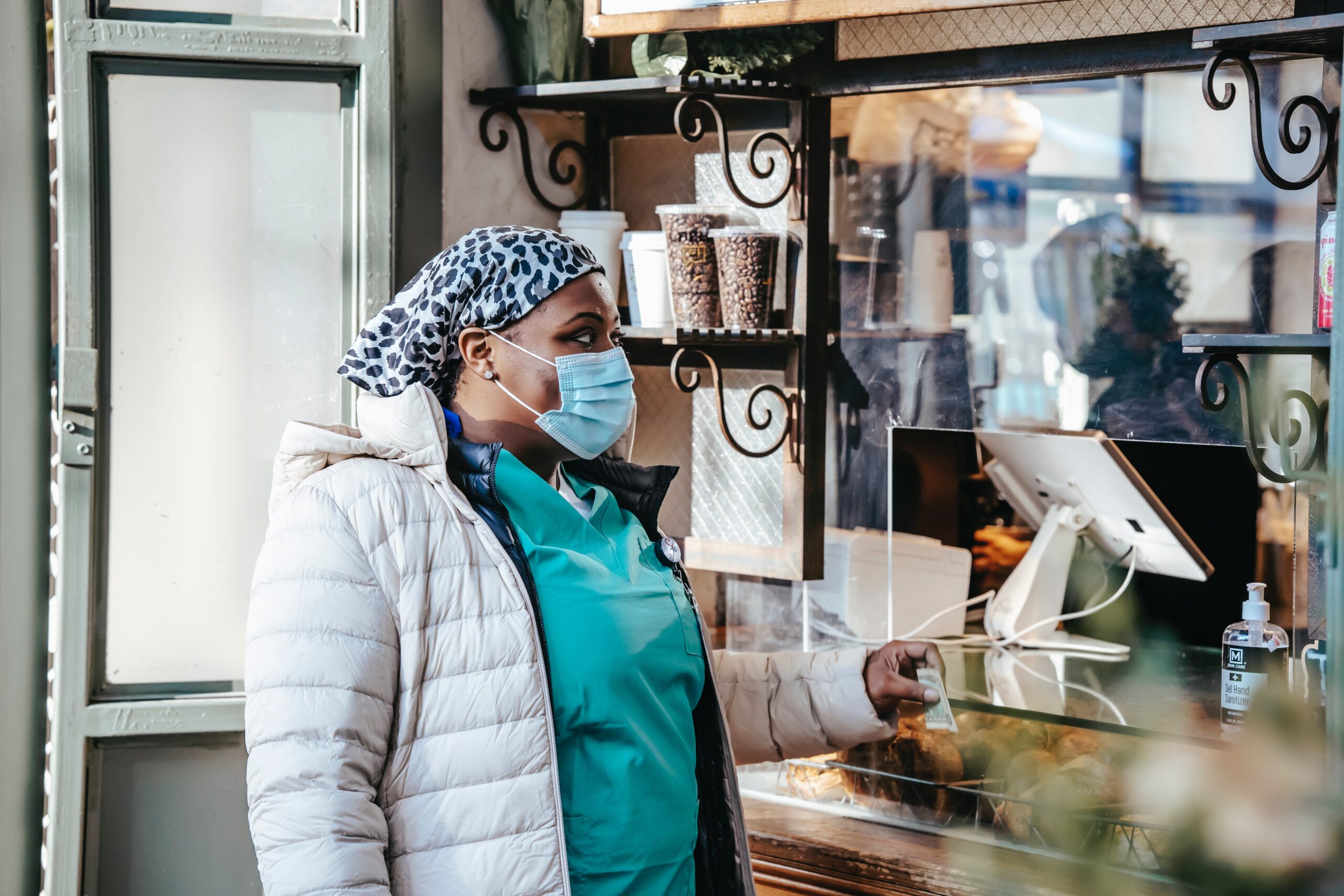
Between full statewide lockdowns and mask mandates, many businesses faced a similar choice at the beginning of the pandemic: Change their ways or perish. And while some businesses initially struggled under new restrictions, those that could adapt appear to be nearing the light at the end of the tunnel.
That isn’t to say that those modifications to business practices are going out the door with the mandates and lockdowns. The restrictions have bred creativity, and many of the practices developed during the pandemic are still preferred by consumers.
To stay up-to-date with the post-pandemic world, check out these five trends before reverting to the way your business was run before 2019.
1. A Bolstered Online Presence
When businesses were unable to adequately engage with customers in-store, they needed to improve their online presence. Keeping a website updated with available services and products and access details was critical during the pandemic.
Green Dot and SWS Venture Capital founder Steve Streit says in this interview that he believes that companies that offer valuable online services and deliverables will have a better chance of success even after the pandemic. Customers aren’t going to expect these sites to suddenly become unsupported because restrictions have been lifted, nor should they. After all, if the information was available during the pandemic, why shouldn’t it be after?
2. Contactless Delivery
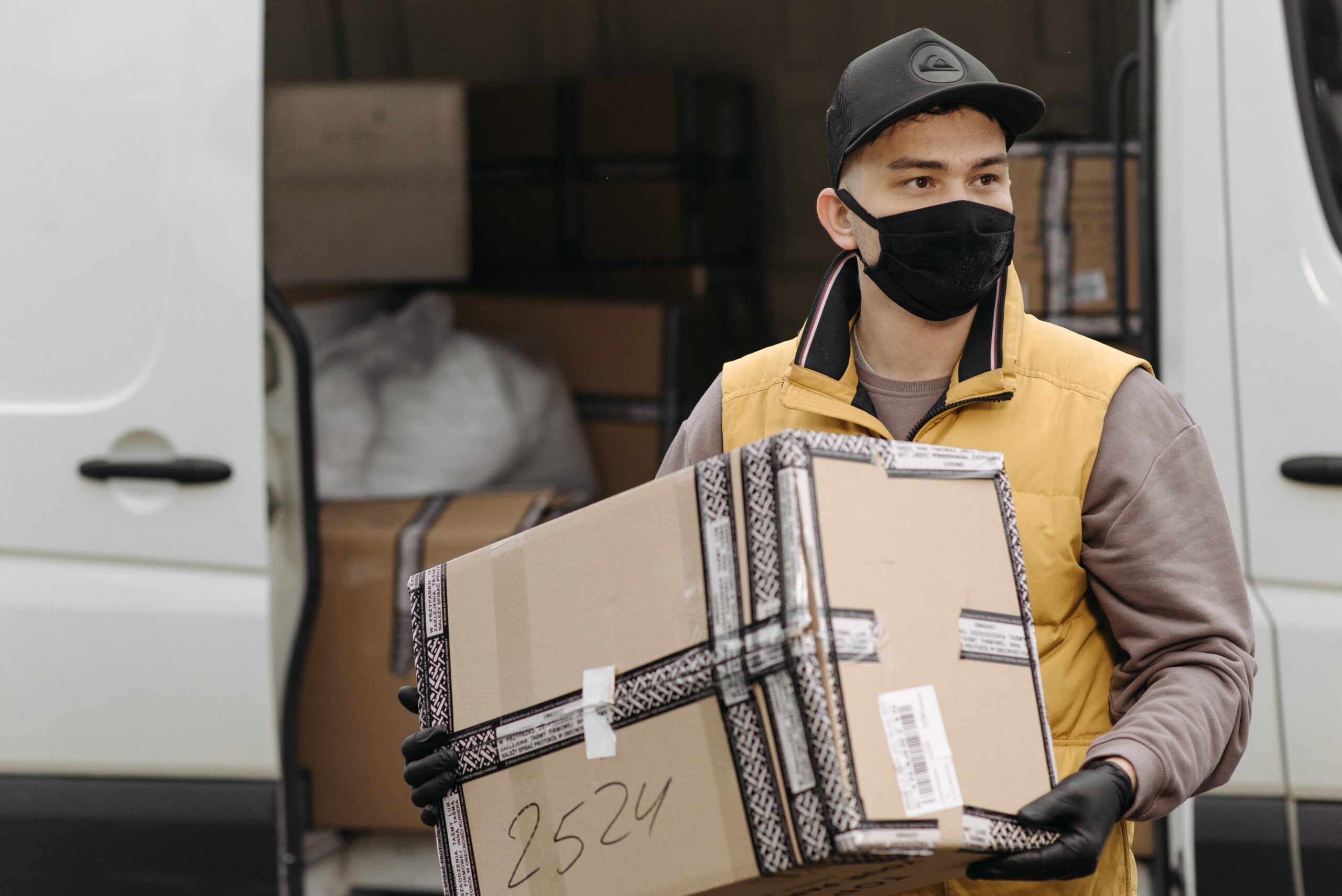
Whether it is flowers, pizza, or groceries, many customers have grown accustomed to contactless delivery services. If customers are paying extra to have food delivered and avoid the restaurant experience, chances are that they won’t mind missing out on interacting with their delivery driver.
Contactless delivery eliminates the need for handling cash and swiping cards, which can get easily misplaced in the time before delivery. Delivery drivers are also protected from infections and potential harassment from customers. Secure digital transactions and photo-backed delivery verification have made contactless delivery the new norm.
3. Enhanced Cleanliness
Even with nationwide restrictions lifting, many customers will still want to mitigate the chances of infection. Keeping checkout lines appropriately spaced and providing hand sanitizer to customers will remain good business practices.
Though you probably won’t find restaurants giving out toilet paper rolls with orders anymore, demand for sanitary products won’t suddenly disappear. Businesses that started stocking cleaning products shouldn’t take them off shelves so quickly. Whether customers are trying to avoid Covid, the flu, or the common cold, giving them avenues to protect themselves against infection will improve their comfort level at your business.
4. Changing Concerns for Privacy
The need to share vaccination information and even location information with employers has left many less concerned about their data being shared online. A study shows that 53% of consumers would be comfortable making their data available if it helped track an infection cluster. The more consumer data that becomes available, the easier it will be for companies to track and market to their customers. For others, the pandemic has brought an increased awareness of how their data can be abused. Whether consumers are aware of the benefits of making their data available is irrelevant as the majority believe that the cons outweigh the pros.
5. Preferences for Local Shops
When customers realized that their favorite mom-and-pop shop was struggling amid the pandemic, many took on the responsibility of revitalizing their business. Numerous customers have also been traveling less and are relying on products and services available locally. Consumers consciously deciding to shop locally has helped local businesses build new long-lasting relationships with their community that won’t disappear with lowered Covid restrictions.
Certainly, not all business practices that appeared during the pandemic will continue. Office workers can return to their desks and, fortunately, we can get haircuts again. The silver lining of Covid, however, is that companies have been able to adapt old procedures and experiment with newer ways to provide for their customers. Hopefully, the adaptability and innovative nature of these businesses will continue alongside these practices after the pandemic.
