

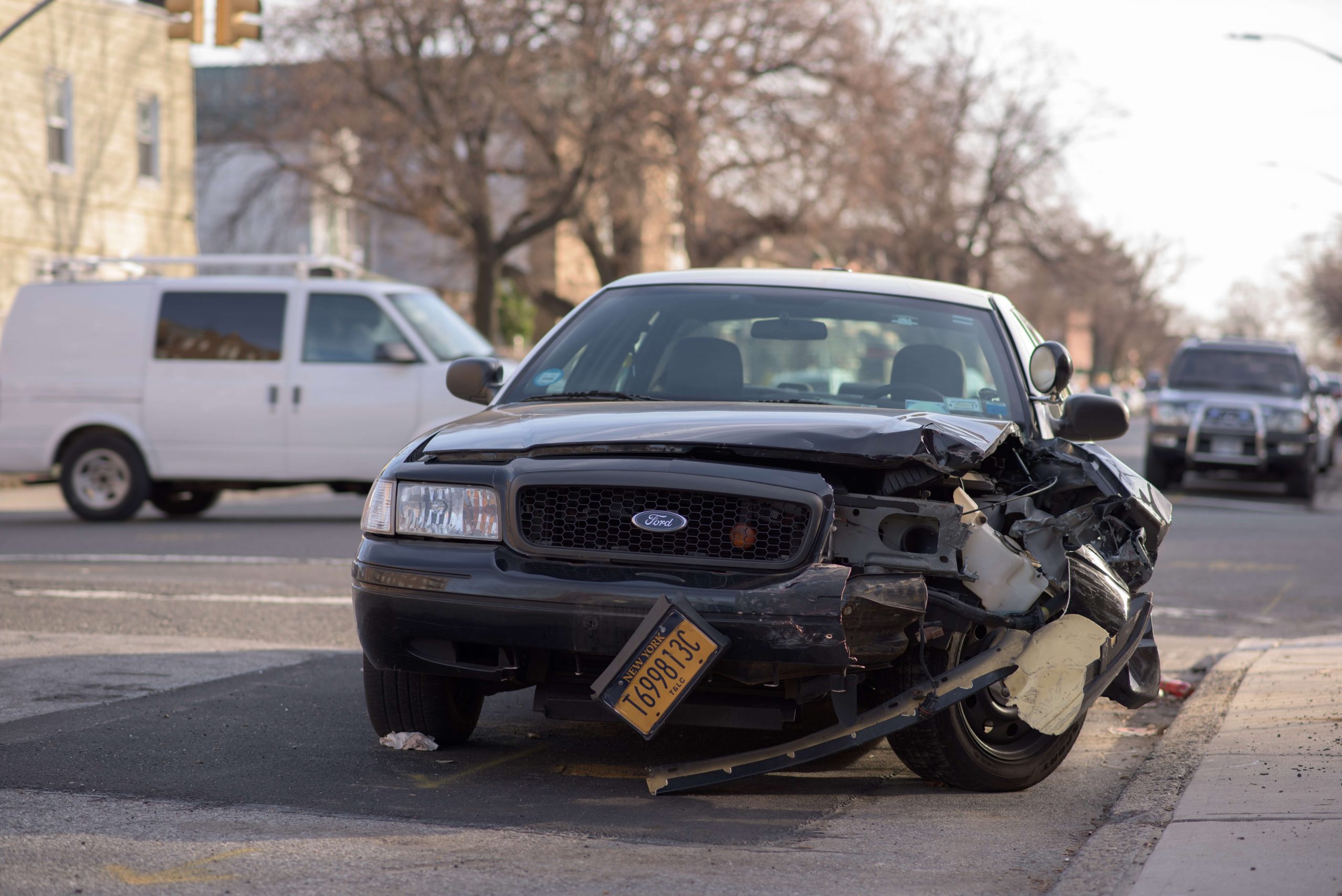
Car accidents are never easy, but when it comes to a company car that your small business uses, this might actually be more of a hassle than you could expect. Car accidents are never easy, and they come with extra headaches when they involve a company car. It’s not even just about the paperwork either; there are just a lot of steps and explanations.
Plus, what if you’re not at fault? Usually, businesses (no matter how small) will get blamed, and it’s just easily assumed that they can afford to pay out, but that’s the furthest thing from the truth.
But what happens when you get into a car accident? If you’re a small business owner, such an incident disrupts your day and can also impact your business operations. Here’s a guide for every business owner who needs to help you navigate a company car accident.
Table of Contents
Prioritize Safety and Report the Car Accident
So, even with a company car, the whole procedure will be the same. First things first, make sure everyone is okay. Check for injuries and call 911 if necessary — safety is always the priority. Regardless of the injuries, it’s important to report the car accident to the police. They’ll document everything officially, which is essential for the next steps. Even if you were in a car accident in your personal car, you would have done this. Most steps are the same, but it’s still best to pay attention as there are some changes.
Document Everything
While at the scene of the car accident, take photos of the vehicles involved, any visible damage, and the surrounding area. These pictures can be very helpful when dealing with insurance claims and clarifying what happened. The more evidence, the better.
One thing that a lot of small business owners would do if they had to drive a lot (such as a plumber or contractor) would be to just have a dash cam. Also, contact and insurance information should be exchanged with the other driver, and details from any witnesses should be jotted down.

Your Insurance Company Needs to Know
Next, let your insurance provider know about the accident. Most policies require you to report incidents as soon as possible. Give them all the details you’ve gathered. But obviously, you’ll need to be upfront and honest here, which is crucial; it ensures the claims process goes smoothly. Insurance companies covering businesses tend to be friendlier and will usually give more benefit of the doubt, unlike when it comes to personal driving with your own car.
Do You Have a Replacement Company Car?
If you’re a solopreneur, you’re likely to have only one car. Well, one company car and then a personal car at most. Chances are, you’ll need to take your company car to a shop to get it fixed up. So, you’ll need to assess the damage to your company car. If it’s not in a drivable condition, you’ll need to arrange for towing and figure out how you’ll get around without it.
Check if your insurance includes a provision for rental cars to keep your business running without missing a beat. But again, this is only business car insurance that tends to do this. While yes, there’s a chance that the car you’re renting might not suit your needs, sometimes, you need to take what you can get.
You Need to Think About Liability and Legal Matters
This might not be the worst part, having to deal with all that paperwork and legal matters. With a company car, the question of liability can get a bit complicated, especially if an employee is involved. It’s important to consider all the legal implications. Again, it can be tricky (even if it was you driving), and usually, it seems easier for a business to be the one that’s at fault- even when it’s not true.
This might be a good time to talk to a truck accident lawyer; you can count on them to give advice specific to your situation. But it’s not just advice; you might need them to represent you; again, there’s usually a bigger push to blame businesses regarding a car accident.
Do You Have a Company Vehicle Policy?
If you’re just one person running this business and have no team, then it’s 100% understandable why you wouldn’t create this insurance policy. Why would you need a policy for yourself? Well, if you have a team, then it’s entirely different. Once things have calmed down a bit, take a moment to review your vehicle policy. Could this accident have been prevented? Is there more you could do to ensure safety? Maybe it’s time to refresh your team on safety protocols or update your insurance coverage.
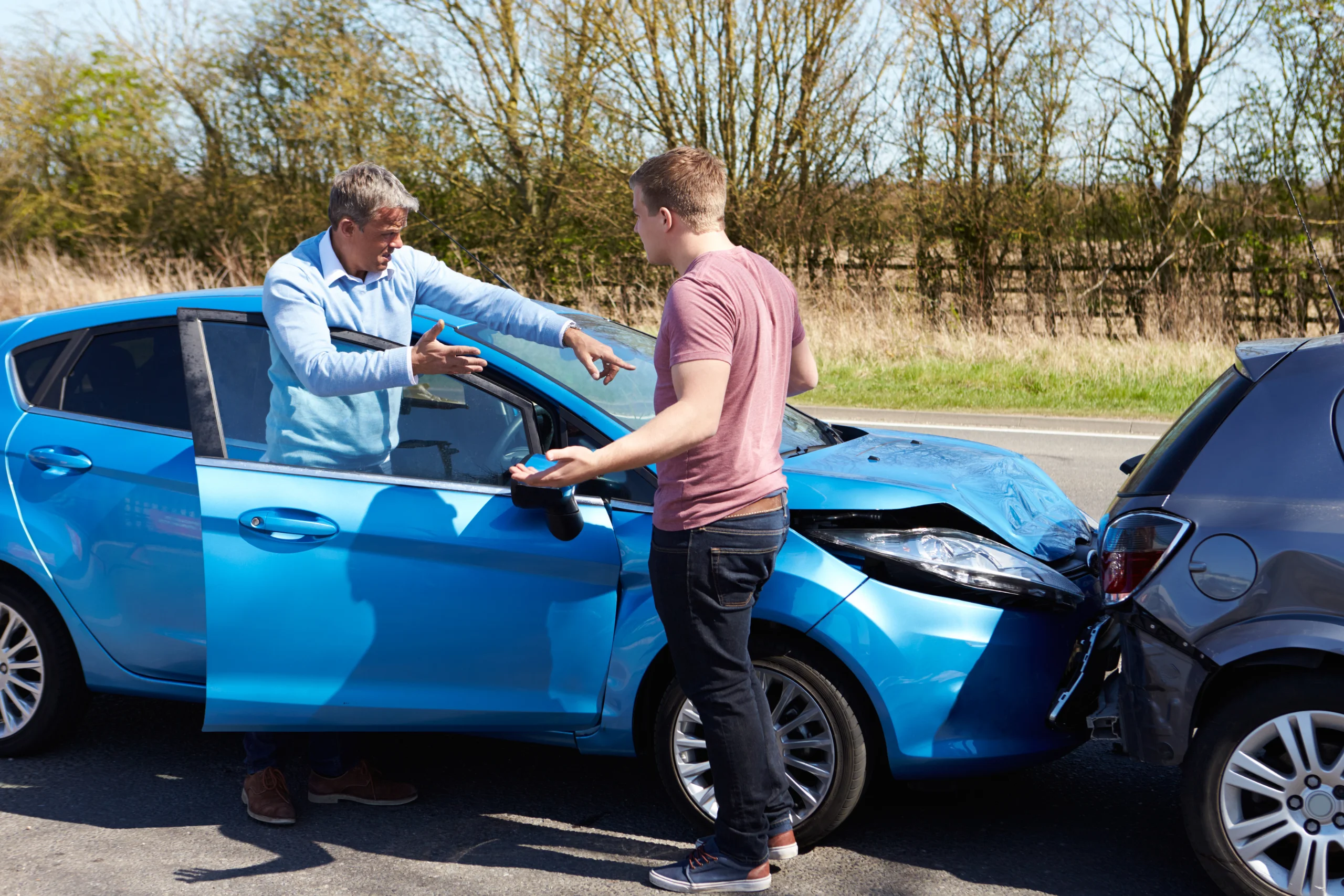
Keep Open Lines of Communication
How bad can this affect your business? How bad can this affect seeing customers and doing things for them? If the accident affects your business, let your customers know what’s happening. They have a right to know; for example, if you’re a plumber or a contractor, and you need your vehicle (as it has features that rentals lack), then sure, there might be a chance you’ll need to cancel appointments. But overall, a quick explanation can go a long way in maintaining trust. People understand that accidents happen, and they’ll appreciate your transparency.
Prepare for the Future
It’s not great to think about, but there might always be a chance of this happening again, and then you’ll have to repeat everything. Now, it’s the furthest thing from ideal, as you know. But with that all said, you’ll still need to try to use this experience as a learning experience. Again, you could still use this as a lesson even if you weren’t at fault.
Update your emergency plans and make sure you’re better prepared for any similar events in the future. This also allows you to regularly review your policies and procedures, which can help minimize the impact of car accidents on your business- if you have a team, of course.