


Creating a productive home office is essential for those who work remotely or spend significant time in a home workspace. The right setup can make a substantial difference in enhancing comfort, improving focus, and increasing overall productivity. In this article, we’ll explore essential elements to include in your home office to ensure you maintain both comfort and concentration.
Table of Contents
1. Ergonomic Furniture
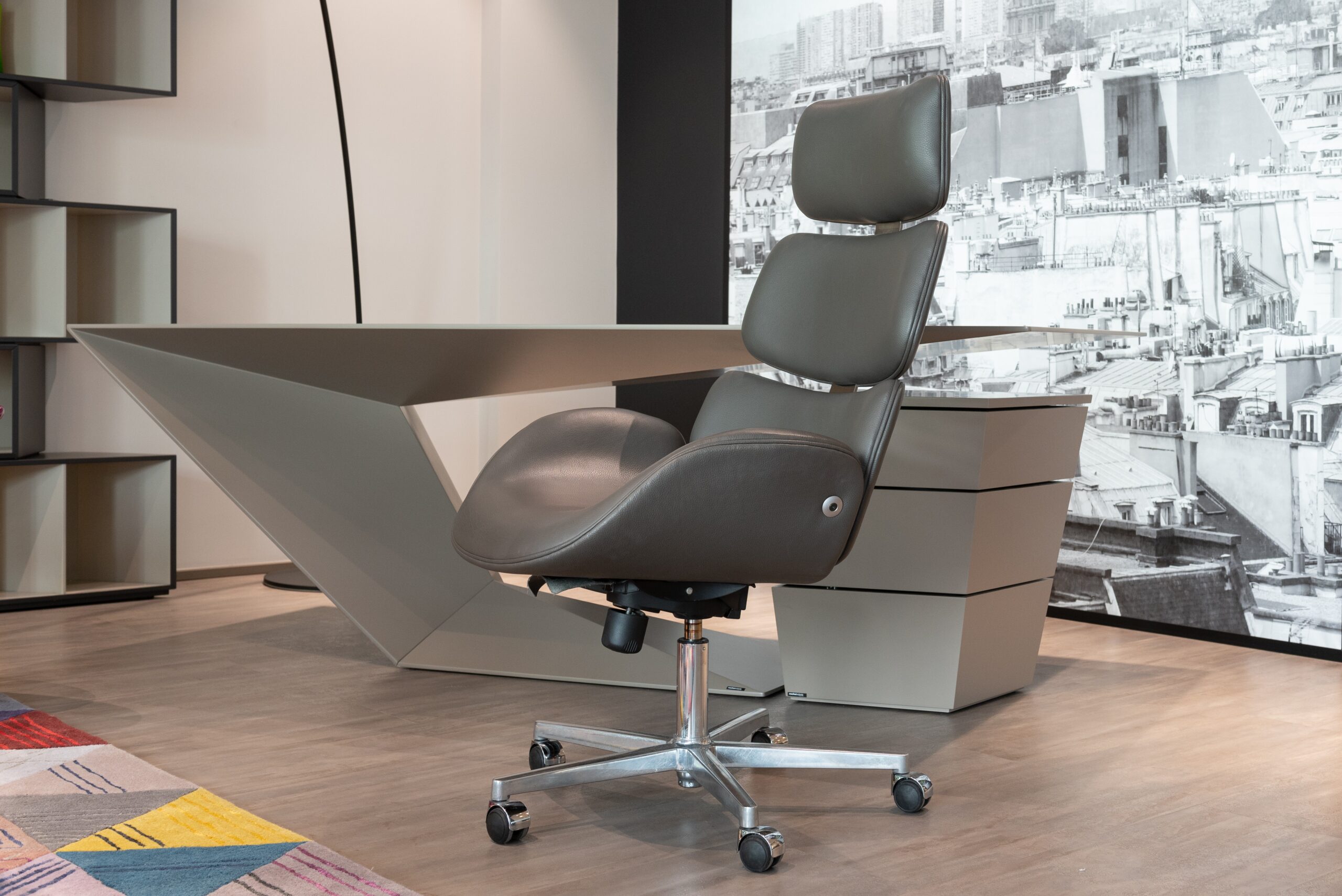
Ergonomic Chairs
The foundation of a comfortable home office is ergonomic furniture. An ergonomic chair is designed to support the natural curvature of your spine, promoting good posture and reducing the risk of back pain. According to research, proper seating can significantly impact comfort and productivity.
When choosing an ergonomic chair, look for adjustable height and lumbar support features. Chairs with breathable fabric and adequate cushioning can further enhance comfort during long working hours.
Standing Desks
Incorporating a standing desk can also be beneficial. Alternating between sitting and standing can reduce fatigue and promote circulation. Many standing desks are adjustable, allowing you to find the perfect height for your needs. Studies suggest that standing desks can lead to increased energy levels and reduced discomfort.
2. Proper Lighting
Natural Light
Natural light plays a crucial role in maintaining focus and enhancing mood. Position your desk near a window to take advantage of daylight. Exposure to natural light has been linked to improved mood, energy levels, and even better sleep quality.
Task Lighting
In addition to natural light, invest in quality task lighting. Adjustable desk lamps with LED bulbs can help reduce eye strain and provide focused light for reading or detailed work. Look for lamps with adjustable brightness levels to accommodate different tasks throughout the day.

3. Organized Workspace
Decluttered Desk
A cluttered workspace can lead to distractions and decreased productivity. Keeping your desk organized is essential for maintaining focus. Utilize drawer organizers, file systems, and cable management solutions to keep your workspace tidy.
Incorporating Plants
Adding greenery to your office can also enhance the environment. Plants not only beautify the space but have been shown to reduce stress and improve air quality. Consider low-maintenance plants like succulents or pothos that thrive indoors.
4. Technology Setup
High-Quality Monitor
A large, high-resolution monitor can improve your work efficiency, especially if your tasks involve multitasking or detailed visual work. Dual-monitor setups can enhance productivity by allowing you to spread out tasks across screens. Research indicates that multiple monitors can lead to a 20-30% increase in productivity.
Ergonomic Accessories
Consider adding ergonomic accessories such as a keyboard and mouse designed to reduce strain on your wrists. A laptop stand can elevate your screen to eye level, promoting better posture.

5. Personal Comfort Items
Footrests and Cushions
Footrests can help improve circulation and reduce fatigue when sitting for extended periods. Additionally, a cushion for your chair can provide extra comfort and support. Many ergonomic chairs have optional lumbar support cushions that can further enhance comfort.
Temperature Control
Maintaining a comfortable temperature is vital for focus. If you find yourself getting too hot or cold, consider using a small fan or space heater to regulate your workspace climate. Additionally, wearing comfortable clothing can help you feel more at ease while working.
6. Minimize Distractions
Sound Management
Noise can be a significant distraction when working from home. Consider using noise-canceling headphones or a white noise machine to block out background sounds. Some studies suggest that ambient noise can improve focus for some people, so experiment to find what works best for you.
Set Boundaries
If you share your home with others, set clear boundaries during work hours. Communicate your schedule and use visual cues, such as a closed door or a “do not disturb” sign, to minimize interruptions.
7. Break and Wellness Spaces
Dedicated Break Area
Creating a separate area for breaks can help you recharge during the day. Use this space for activities such as stretching, meditating, or simply stepping away from your desk. Taking regular breaks can enhance focus and productivity by preventing.

Incorporate Movement
Incorporating movement into your day can also boost focus. Whether it’s a quick walk around the house or doing some simple stretches, movement can help clear your mind and improve circulation.
Conclusion
In conclusion, designing a home office that prioritizes comfort and focus is essential for maintaining productivity in a remote work environment. By investing in ergonomic furniture, optimizing lighting, organizing your workspace, and minimizing distractions, you can create an effective and enjoyable workspace. Remember to personalize your office with comfort items and set boundaries to enhance your work-life balance. Embracing these strategies will not only improve your work output but also contribute to your overall well-being.
