

Online trading is attracting a new wave of enthusiasts who are eager to profit from financial markets. The wealth of platforms accessible online and through mobile applications and a diverse number of instruments make it easy to start, but successful trading requires more than luck.
One of the primary requirements is a deep understanding of market mechanics. You must also try to avoid emotional mistakes.
In this guide, you can learn trading fundamentals, including the common psychological traps that can put you at risk.
Table of Contents
Understanding Trading and Types of Traders
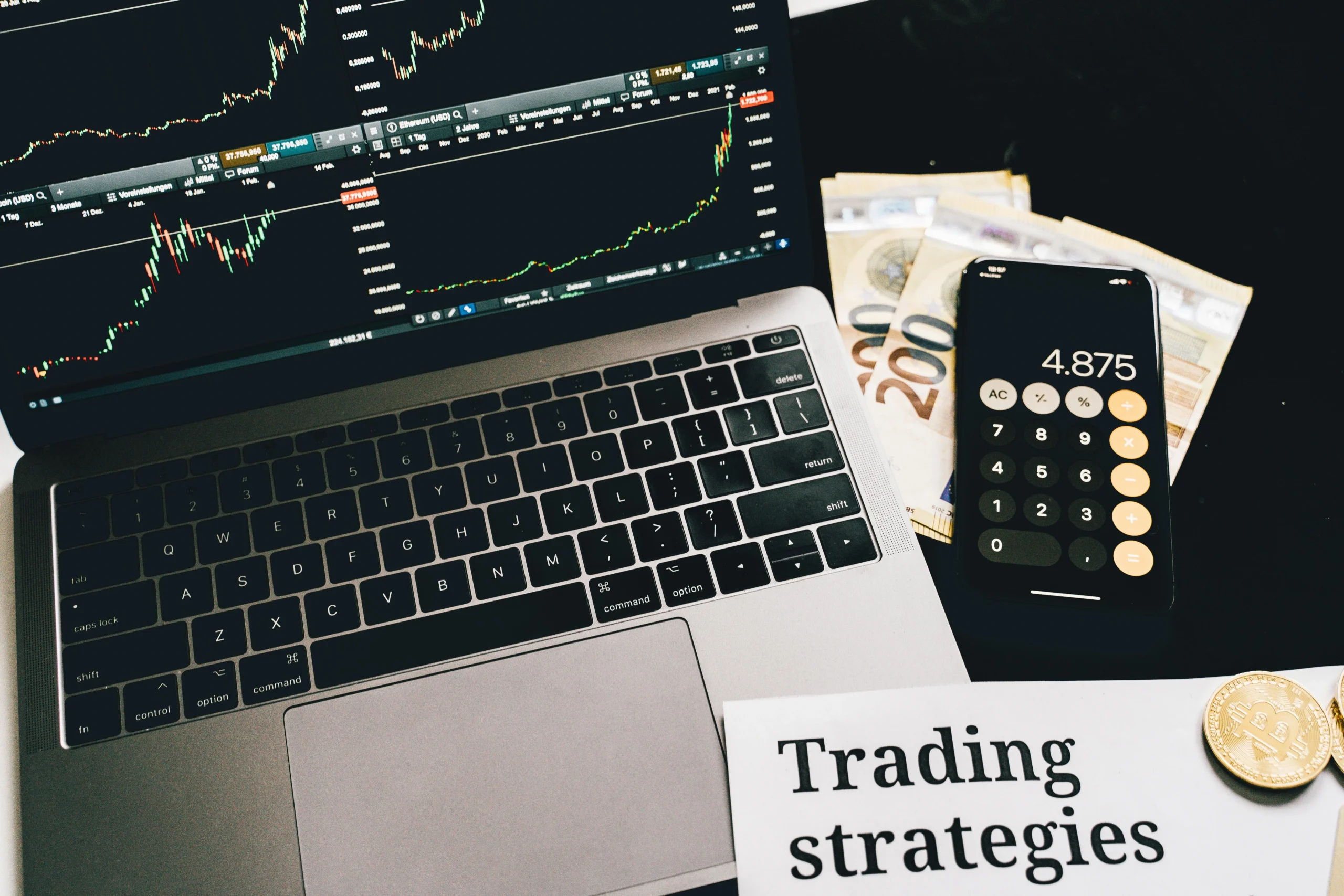
Trading involves buying and selling financial assets—such as stocks, forex, and cryptocurrencies—to generate returns. Unlike investing, which typically focuses on long-term growth and wealth accumulation, trading emphasizes short-term opportunities.
Investing is all about being patient. It’s holding on to assets for years on end, even decades, allowing dividends, compounding interest and market growth to build your wealth. Think of it like a marathon.
Trading, in contrast, is more like a sprint. You must constantly react to price changes, events, news, and other things that lead to volatility, and you try to capitalise on this instability or mercurial changes.
The trading ecosystem is as varied as the markets, and you can exhibit one or more of these with distinct trading styles:
- Day trading: You’re a day trader if you live for the daily grind, opening and closing all positions within a single session. For you, the objective is to ride fleeting price movements, requiring mastery of technical charts, rapid execution and an almost obsessive focus on real-time data.
- Swing trading: Swing traders, in contrast, take a slightly longer view. As a swing trader, you hold your positions for days or weeks, focusing on identifying patterns and trends as well as combining technical analysis with a dash of fundamental insight. You must be patient, with a strategic mindset, to excel in this style of trading.
- Scalping: Scalpers are a distinct breed. You can try this approach if you are hyper-focused, thrive on speed, and can perform dozens of trades in minutes to profit from micro-price fluctuations. Precision, discipline, an ability to spot opportunities at lightning speed, decisiveness, and unflinching focus are basic requirements of scalping.
- Position trading: You’re a position trader if you play a much longer game than swing traders. In fact, you’re almost like a buy-and-hold investor, except you can bet against the market and profit even in downtrends. As a position trader, you must be meticulous in your research and have strategic foresight as well as unwavering patience.
- Algorithmic trading: You’re an algorithmic trader if you rely on algorithms — i.e., predictive models and programs — to decide which trades to make, which markets to trade in and when to enter and exit trades. As an algorithm trader, you put great stock on quantitative analysis and mathematical formulas to exploit market inefficiencies. This is a highly technical path, but it can be incredibly rewarding if you’re analytically inclined.
- Momentum trading: You’re a momentum trader if you jump into assets when they show strong directional moves — i.e., you rely on timing and trends and trade based on current market momentum. You need to have impeccable timing for this style to work.

- Arbitrage trading: If you love exploiting inefficiencies, arbitrage trading may appeal to you. Arbitrage traders make money by capitalising on price discrepancies between markets, profiting with minimal risk, so you need global macro analysis skills to pull off this style of trading.
- News and event traders: News traders react to economic, political, and corporate news and announcements, while event traders react to specific catalysts like mergers and acquisitions and debt restructuring plans. Your goal in this style of trading is to capture uptrends and downtrends sparked by the latest events and headlines.
Every type of trader approaches the market differently, so find which style suits your temperament, time and skills. If you’re a beginner, you can use copy trading to trade as experts would and learn as you go along.
What is copy trading? Copy trading is a mechanism that allows traders to duplicate the trades of the people they follow on the trading platform. You can set this up manually or automatically, depending on your preferences. This can be a good early strategy to profit from trades when you don’t know enough to make independent trading decisions.
What Psychological Mistakes to Avoid When Trading
Your mind is your strongest ally — or your greatest enemy — in trading. When emotions take control, mistakes multiply. You need to avoid these common traps to keep your head clear.
Avoid these traps, and you’ll trade with sharper focus and fewer emotional distractions.
1. Overtrading
Overtrading is the most common blunder. When you chase every slight price movement, you lose focus and expose yourself to unnecessary risk. Limit yourself to high-quality opportunities, even when the markets tempt you with their noise.
2. Revenge Trading
If you lose on a trade, you may feel a powerful urge to trade again or even to double down on a losing position. It’s based on an instinctive need to prove you’re better than your mistake (or that you’re not mistaken at all), maybe even a need to demonstrate how your loss does not define you.
Consequently, you act impulsively and double down on risky bets. This vicious cycle only amplifies your deficit.
Remember: When a trade doesn’t go your way, step back, reflect, and recalibrate.
3. Fear of Missing Out
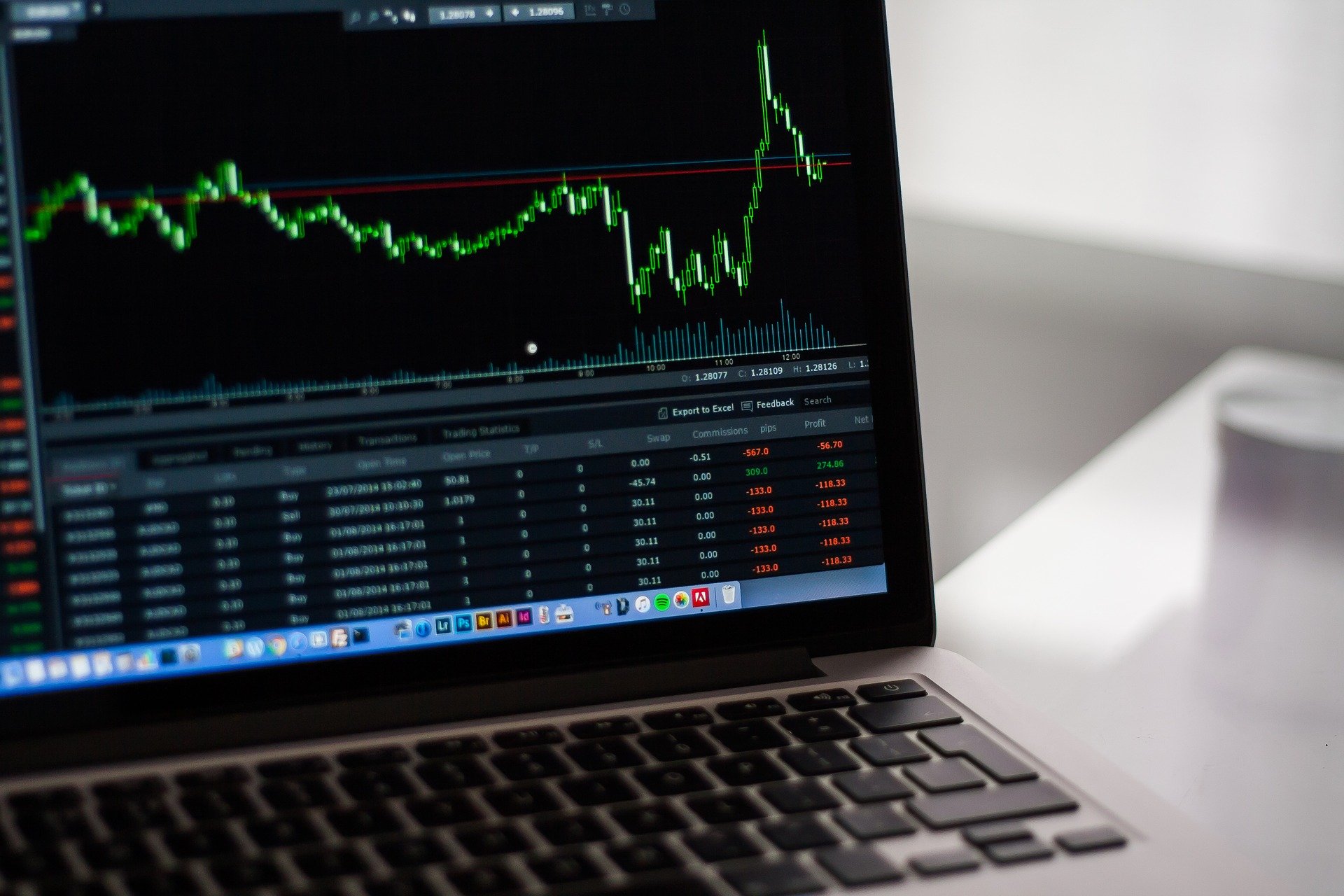
Fear of missing out — FOMO — can lead you into reckless trades and cause you to jump on a trend just because it seems everyone else (but you) is profiting. You may start trading cryptocurrency when it seems like everyone else is profiting from it.
Don’t let the fear of missing out dictate your trades. At all times, base your decisions on sound analysis and strategy, not the urge to go where the crowd leads for fear of losing or missing out.
4. Impatience
Impatience is dangerous, too. You may be unable to wait for your strategy to pay off, so you exit your position prematurely, or enter a trade much too early because you’re excited to profit.
5. Overconfidence
After a winning streak, you might feel untouchable, taking on unnecessary risks. Markets are unpredictable. Stay humble, and don’t let past victories inflate your sense of invincibility.
6. Anchoring Bias
Are you fixated on a benchmark? You can be so focused on a target price point that you miss the perfect entry or the right time to exit.
7. Confirmation Bias
Confirmation bias is a subtler enemy. You have it when you seek information that validates your preconceived notions, and it’s dangerous because it makes you blind to contrary evidence that could save you from a bad decision.
Disciplined Trading
Trading is fast-paced and highly strategic, and success requires precision, sharp analytical skills, and a strong understanding of market dynamics. You must also avoid the above psychological mistakes.
Trade with a plan, protect your capital and control your emotions. You (and your money) will be much safer if you do.