
The article was originally published on June 9, 2025, and updated on June 26, 2026.
Not every lead deserves the same amount of time, follow-up, or sales attention. A qualified lead is a prospect who fits your ideal customer profile and shows meaningful signs of buying intent. Here’s how small businesses can identify better leads, avoid wasting time on poor-fit prospects, and build a stronger sales pipeline.
Key Takeaways
- A qualified lead is a potential customer who fits your target market and shows signs that they may be ready to buy.
- The most common types of qualified leads are Marketing Qualified Leads, Sales Qualified Leads, Product Qualified Leads, and Service Qualified Leads.
- Good lead qualification combines fit, intent, need, budget, authority, timing, and trust.
- Lead scoring works best when it includes both engagement behavior and customer-fit criteria.
- Sales and marketing teams should agree on what makes a lead qualified before launching a campaign.
- Small businesses should avoid chasing every inquiry and instead focus on prospects most likely to become profitable customers.
In the ever-competitive world of business, leads are the lifeblood of growth. But not all leads are created equal. If you’ve ever worked in sales or marketing, you’ve likely heard the term “qualified lead” tossed around like confetti. Yet, despite its frequent use, it’s often misunderstood or loosely defined across organizations.
So what exactly is a qualified lead? Why does it matter so much? And how can you ensure that your business is not just chasing quantity, but quality? It all comes down to lead qualification.
Let’s dive deep into this cornerstone of modern business strategy and explore how understanding and managing qualified leads can make or break your growth efforts.
Table of Contents
What Is a Qualified Lead?
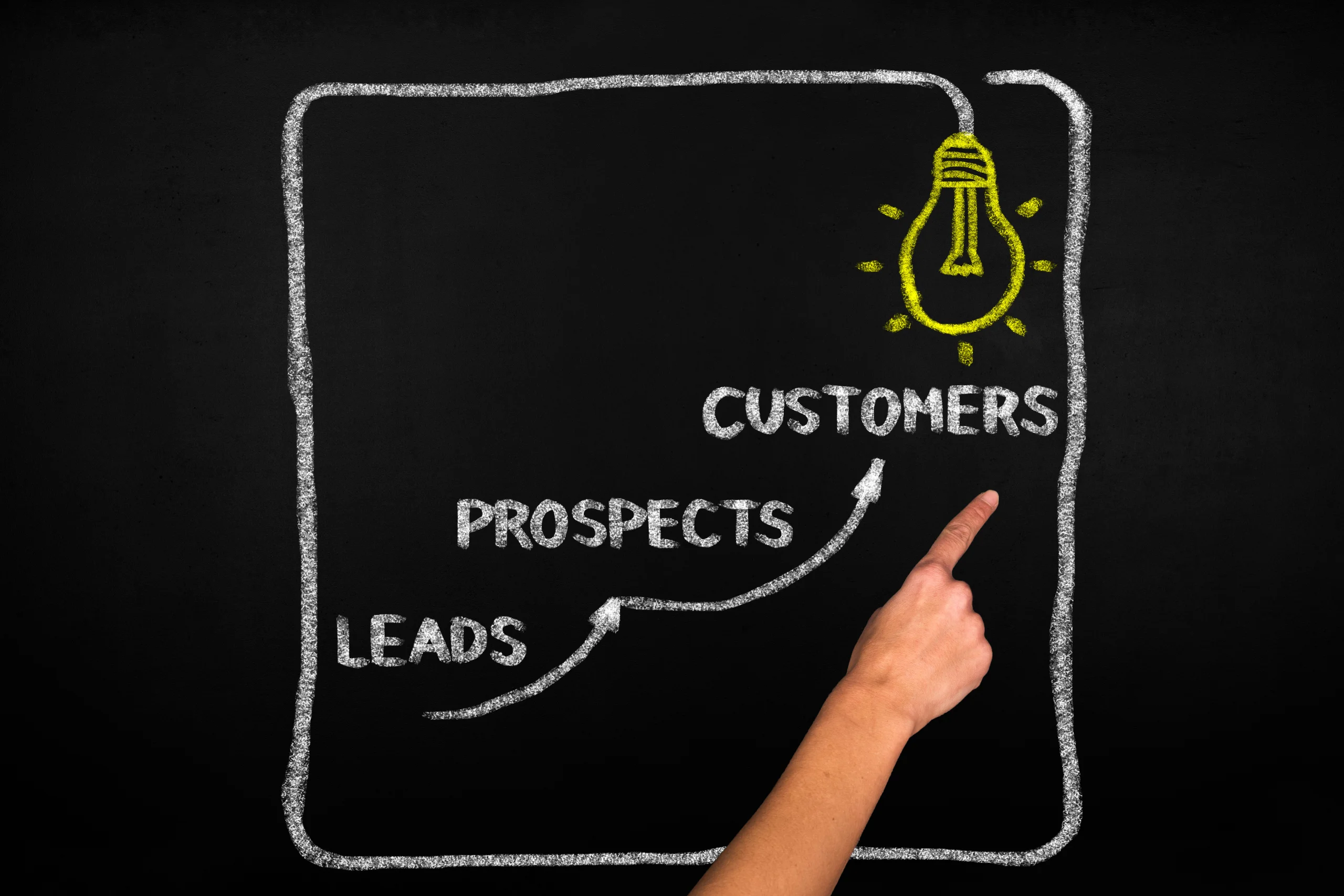
A qualified lead is a person or business that has shown interest in your product or service and meets the criteria that make them a realistic potential customer.
That second part matters.
Someone may download your guide, follow you on social media, or ask a quick question through your contact form. That makes them a lead, but it does not automatically make them a good prospect. A qualified lead is different because the person has been evaluated based on fit, interest, buying need, and likelihood of becoming a customer.
For a small business, a qualified lead may be:
- A homeowner who needs a service you provide and lives in your service area
- A business owner who has the right budget and authority to hire you
- A website visitor who requests a quote after reading several service pages
- A free trial user who actively uses your software and visits the pricing page
- A past customer who asks about upgrading or buying an additional service
In simple terms, a qualified lead is not just someone who is curious. It is someone who has a real problem, fits your target customer profile, and has taken actions that suggest they may be ready for the next step.
If your business is still working on attracting more prospects, start with PowerHomeBiz’s guide on generating leads for your home business. Once leads begin coming in, qualification helps you decide which ones deserve immediate attention.
Lead vs. Qualified Lead: What Is the Difference?
A lead is any person or organization that has shown some level of interest in your business. That interest may be weak, strong, vague, or highly specific.
A qualified lead has been screened and appears more likely to become a paying customer.
Here is the difference:
| Lead Type | What It Means | Example |
|---|---|---|
| General lead | Someone has shown basic interest | A visitor downloads a checklist |
| Qualified lead | The person fits your target customer and shows buying signals | A local business owner requests pricing for a service you offer |
| Unqualified lead | The person does not fit, is not ready, or cannot buy | A student downloads a report for research but has no purchase intent |
| Nurture lead | The person may be a future customer but is not ready now | A prospect subscribes to your newsletter and attends webinars |
The goal is not to dismiss every lead that is not ready today. The goal is to know who needs immediate follow-up, who needs nurturing, and who is unlikely to become a customer at all.
That distinction saves time, protects your sales team from chasing poor-fit prospects, and helps you build a healthier pipeline.
Why Qualified Leads Matter for Small Businesses
Small businesses often do not have the luxury of large sales teams, big ad budgets, or endless time for follow-up. If you are a solo entrepreneur, consultant, service provider, home-based business owner, or small B2B company, every sales conversation costs time.
Pursuing the wrong leads can create several problems:
- You spend too much time with people who cannot afford your offer.
- You discount too quickly because the prospect is not a good fit.
- You miss stronger opportunities while chasing weak ones.
- Your marketing looks successful on paper but does not produce revenue.
- Your sales pipeline feels busy but does not close.
Qualified leads help you focus on prospects who are more likely to buy, more likely to value your solution, and more likely to become profitable customers.
This is especially important because modern buyers often do much of their research before speaking to a salesperson. Gartner’s 2026 sales research found that many B2B buyers prefer a self-directed buying experience, which means your content, website, FAQs, product pages, case studies, and follow-up process all play a role in qualification before a conversation ever happens.
That is why lead qualification should not be treated only as a sales activity. It starts much earlier, with your positioning, content, forms, landing pages, and messaging. If your marketing attracts the wrong audience, your sales team will struggle no matter how good your follow-up is.
For a broader campaign planning approach, see PowerHomeBiz’s guide on questions to ask before launching a lead generation campaign.

The Main Types of Qualified Leads
Qualified leads are often grouped based on where they are in the buyer journey and how they have interacted with your business.
1. Marketing Qualified Lead
A Marketing Qualified Lead, or MQL, is a lead that has engaged with your marketing enough to suggest stronger interest than a casual visitor.
An MQL may have:
- Downloaded a guide
- Signed up for a webinar
- Visited multiple pages on your website
- Subscribed to your newsletter
- Clicked several emails
- Filled out a form
- Read comparison or pricing content
MQLs are usually not ready for a hard sales pitch. They are often still researching. However, they are engaged enough to deserve nurturing or a light follow-up.
For example, a small business owner who downloads your guide on improving cash flow and then signs up for your bookkeeping webinar could be an MQL for an accounting service.
The mistake many businesses make is treating every MQL like a hot lead. Someone who downloads a checklist may be interested, but they may not be ready to buy. MQLs usually need education, trust-building, and clear next steps before they become sales-ready.
2. Sales Qualified Lead
A Sales Qualified Lead, or SQL, is a lead that has shown stronger buying intent and is ready for direct sales contact.
An SQL may have:
- Requested a quote
- Booked a consultation
- Asked about pricing
- Requested a product demo
- Shared a timeline for buying
- Confirmed a specific business need
- Matched your ideal customer profile
- Indicated budget or decision-making authority
SQLs deserve faster follow-up because they are closer to a buying decision.
For example, a business owner who fills out a form saying, “We need a payroll provider by next month and have 25 employees” is much more sales-ready than someone who simply downloaded an article about payroll mistakes.
Speed matters here. A lead showing clear buying intent should not sit untouched in a CRM for several days. The longer the delay, the more likely the person is to contact a competitor.
3. Product Qualified Lead
A Product Qualified Lead, or PQL, is common in software, apps, memberships, and freemium businesses. A PQL has used the product and shown behavior that suggests they may be ready to upgrade or buy.
A PQL may have:
- Completed onboarding
- Used key product features
- Invited team members
- Hit a free-plan limit
- Returned to the product frequently
- Visited the upgrade page
- Used the tool in a way that shows real value
For example, a free project management tool user who creates several projects, adds team members, and reaches the free-plan limit may be a PQL. They are not just reading about the product; they are experiencing it.
PQLs can be powerful because their intent comes from actual usage, not just content engagement.
4. Service Qualified Lead
A Service Qualified Lead is usually an existing customer who has expressed interest in a new service, upgrade, renewal, add-on, or expanded relationship.
For example:
- A current website maintenance client asks about SEO
- A bookkeeping client asks about tax planning
- A coaching client asks about a group program
- A customer on a basic plan asks what is included in the premium plan
These leads are valuable because trust already exists. The person knows your business, has bought from you before, and may be easier to convert than a brand-new prospect.
5. Opportunity
An opportunity is usually a qualified lead that has moved into a real sales conversation or deal stage. At this point, there is a potential transaction being discussed.
This might include:
- A proposal sent
- A contract under review
- A scheduled demo
- A quote being evaluated
- A buying committee involved
- A specific deal value attached
For small businesses, this stage is important because it separates “someone is interested” from “there may be actual revenue here.”
What Makes a Lead Qualified?
A qualified lead usually meets two conditions:
- The lead fits your business.
- The lead shows signs of buying intent.
You need both.
A person can be highly interested but not a good fit. A person can also look perfect on paper but show no buying intent. Good qualification looks at both fit and behavior.
1. Customer Fit
Customer fit means the prospect matches the type of person or organization your business is best equipped to serve.
For B2B companies, fit may include:
- Industry
- Company size
- Revenue range
- Location
- Job title
- Department
- Business model
- Technology used
- Growth stage
- Compliance needs
For B2C or local service businesses, fit may include:
- Location
- Household needs
- Budget range
- Age or life stage
- Urgency
- Property type
- Service area
- Purchase frequency
The U.S. Small Business Administration recommends using market research to understand customer demand, market size, location, pricing, demographics, and competitive conditions. That same research can help you define what a “good fit” lead looks like for your business.
If you have not clearly defined your best customer, your lead qualification process will be weak. You cannot qualify leads well if you do not know who you are trying to attract.
2. Need
A qualified lead should have a real problem, desire, or goal your product or service can solve.
Weak need sounds like:
- “I’m just browsing.”
- “This might be useful someday.”
- “I was curious.”
- “I’m collecting information.”
Stronger need sounds like:
- “We need to replace our current provider.”
- “I’m looking for someone to help with this project.”
- “We have a deadline next month.”
- “I need pricing for this service.”
- “Can you help us solve this specific issue?”
Need is one of the strongest qualification signals because people buy when the problem matters enough to take action.
3. Buying Intent
Buying intent is the evidence that a lead may be moving toward a purchase.
Common buying-intent signals include:
- Visiting pricing pages
- Requesting a quote
- Booking a call
- Attending a product demo
- Comparing packages
- Reading case studies
- Returning to your website several times
- Asking implementation questions
- Asking about contracts, availability, or timelines
Not all website visits are equal. A person who reads a general blog post may be early in the journey. A person who visits your pricing page three times and fills out a consultation form is likely much closer to a buying decision.
4. Budget
Budget does not always mean the person has cash ready today, but there should be some realistic ability to pay.
Budget questions may include:
- Can this prospect afford your offer?
- Do they understand the price range?
- Have they paid for similar solutions before?
- Is your offer aligned with the size of their problem?
- Would they need financing, approval, or a phased approach?
For small businesses, this is especially important. A lead who loves your service but cannot afford it may still belong in your nurture list, but they may not deserve immediate sales priority.
5. Authority and Decision Process
Authority is not always as simple as “Are you the decision-maker?”
In B2B sales, buying decisions may involve several people, including the owner, department head, finance manager, operations lead, IT contact, legal reviewer, or end users. A junior person may not sign the contract but may still influence the decision.
Instead of asking only whether the person has authority, ask:
- Who else needs to be involved?
- Has your company purchased something like this before?
- Who will use the product or service?
- Who controls the budget?
- What does approval usually look like?
- What would stop this from moving forward?
For small service businesses, authority may be simpler. A homeowner, founder, solopreneur, or office manager may be able to decide quickly. But even then, there may be a spouse, partner, investor, or manager involved.
6. Timing
Timing tells you whether the lead is ready now, later, or not at all.
Strong timing signals include:
- “We need this this month.”
- “Our contract ends in 60 days.”
- “We are opening a new location.”
- “We need help before tax season.”
- “We want to launch by September.”
Weak timing signals include:
- “Maybe next year.”
- “We are just exploring.”
- “No rush.”
- “We have not talked internally yet.”
Timing helps you decide whether a lead belongs in active sales, short-term nurture, or long-term nurture.
7. Trust and Responsiveness
A qualified lead should be reasonably responsive and serious.
Good signs include:
- They answer follow-up questions.
- They provide necessary details.
- They attend scheduled calls.
- They explain their needs clearly.
- They engage with your recommendations.
Warning signs include:
- They repeatedly miss calls.
- They refuse to share basic information.
- They ask only for discounts.
- They avoid discussing budget or timeline.
- They seem to be collecting free advice with no intention to buy.
Trust goes both ways. You are evaluating the lead, but the lead is also evaluating you. A clear website, useful FAQ section, case studies, testimonials, and relevant content can help build trust before the sales conversation. PowerHomeBiz’s article on using your FAQ as a sales tool is a helpful companion to this idea.
Lead Qualification Frameworks You Can Use
Lead qualification frameworks give sales and marketing teams a shared way to evaluate prospects. You do not need to use every framework. The best one is the one your team will actually use consistently.
BANT
BANT stands for:
- Budget
- Authority
- Need
- Timeline
This is one of the most widely known qualification frameworks. It works well when your sales process depends heavily on whether the prospect has money, decision power, a clear need, and an expected buying timeframe.
However, BANT can feel too rigid if used poorly. Some buyers do not know their budget yet. Some influencers are not the final decision-maker but still matter. Use BANT as a guide, not as a script.
CHAMP
CHAMP stands for:
- Challenges
- Authority
- Money
- Prioritization
This framework starts with the prospect’s challenge rather than the seller’s budget question. That can feel more natural in consultative selling.
CHAMP is useful for service providers, consultants, agencies, and B2B companies that need to understand the customer’s pain before discussing price.
MEDDIC
MEDDIC stands for:
- Metrics
- Economic buyer
- Decision criteria
- Decision process
- Identify pain
- Champion
This framework is often used in more complex B2B sales. It is helpful when deals are larger, involve multiple stakeholders, or require a formal buying process.
Small businesses may not need the full MEDDIC framework, but the ideas are still useful. You want to know what success looks like, who controls the decision, what criteria matter, how the decision will be made, what pain is driving the purchase, and whether someone inside the organization supports your solution.
Fit + Intent
For many small businesses, the simplest framework is Fit + Intent.
Ask two questions:
- Is this person or business a good fit for what we sell?
- Have they shown enough intent to deserve sales follow-up?
This framework is easy to apply and works well for local services, consultants, online businesses, agencies, coaches, freelancers, and small B2B companies.
How Lead Scoring Works
Lead scoring is a system for assigning points to leads based on their actions and characteristics. The goal is to help you prioritize prospects based on likelihood to convert.
A good scoring system includes both fit and intent.
Fit Score
Fit score measures how closely the lead matches your ideal customer.
Examples:
| Criteria | Sample Score |
| Located in your service area | +10 |
| Matches target industry | +10 |
| Company size fits your offer | +10 |
| Decision-maker or strong influencer | +10 |
| Uses a competitor or similar solution | +5 |
| Outside service area | -20 |
| Student, vendor, or job seeker | -15 |
Intent Score
Intent score measures what the lead has done.
Examples:
| Behavior | Sample Score |
| Requested a quote | +25 |
| Booked a consultation | +25 |
| Visited pricing page | +15 |
| Downloaded a buyer’s guide | +10 |
| Attended webinar | +10 |
| Opened several emails | +5 |
| Visited careers page | -10 |
| Used fake or incomplete contact details | -20 |
Readiness Score
Readiness score measures how close the lead may be to buying.
Examples:
| Signal | Sample Score |
| Needs solution within 30 days | +20 |
| Has budget approved | +15 |
| Has decision process defined | +10 |
| Comparing vendors now | +10 |
| No timeline | -10 |
| Just researching | -5 |
You can then create thresholds:
- 0–20 points: low-priority lead
- 21–50 points: nurture lead
- 51–75 points: marketing qualified lead
- 76+ points: sales qualified lead
The numbers are only examples. Your scoring should be based on your own sales cycle, customer data, and close rates.
Salesforce recommends combining scoring and grading to evaluate both a prospect’s engagement and suitability. That is a useful distinction: a lead can be very engaged but still a poor fit, or a great fit but not yet engaged enough to contact directly.

Practical Examples of Qualified Leads
Qualification becomes easier when you see how it works in real situations.
Example 1: Local Service Business
A landscaping company receives three inquiries.
Lead A says: “How much do you charge?” but provides no address, project details, or timeline.
Lead B says: “We need weekly lawn maintenance for a commercial property in your service area starting next month. Can you send pricing?”
Lead C says: “I’m comparing DIY landscaping ideas and may need help someday.”
Lead B is the strongest qualified lead. The person has a specific need, location fit, service fit, and timeline.
Example 2: Consultant or Coach
A business consultant receives several newsletter signups.
One subscriber reads three articles, downloads a business planning worksheet, attends a webinar, and replies to an email asking about a paid strategy session.
That person is likely an MQL moving toward SQL status.
Another subscriber downloads one free worksheet and never engages again. That person may still be worth nurturing, but they are not yet qualified for direct sales outreach.
Example 3: B2B Software Company
A free trial user logs in daily, connects their team, uses advanced features, reaches the free-plan limit, and visits the upgrade page twice.
That user is a Product Qualified Lead. Their behavior shows they are using the software in a serious way and may be ready to upgrade.
Example 4: Online Course Business
A website visitor reads several blog posts, watches a free training, joins the email list, clicks a case study, and visits the course sales page.
This may be a qualified lead if the person also matches the audience the course is designed for. The next step may be a nurture sequence, limited-time enrollment reminder, or invitation to a live Q&A.
Example 5: B2B Data or Lead Provider
A company exploring prospecting tools may compare vendors, ask about data accuracy, check compliance policies, and request a sample.
In this case, qualification should include whether the buyer has a legitimate use case, a defined target market, and a responsible outreach process. If your business uses data vendors, PowerHomeBiz’s guide to B2B data vendors can help you think through accuracy, compliance, and vendor fit.
How to Qualify Leads Step by Step
Step 1: Define Your Ideal Customer Profile
Before scoring leads, define who you actually want as a customer.
Ask:
- Who benefits most from what we sell?
- Which customers are most profitable?
- Which customers are easiest to serve well?
- Which industries, locations, or segments convert best?
- Which customers tend to stay, refer, or buy again?
- Which customers create the most problems or lowest margins?
Your ideal customer profile should be specific enough to guide decisions. “Small business owners” is too broad. “Home service business owners with 5–25 employees who need help generating local leads” is more useful.
If your positioning is too vague, your lead quality will suffer. For messaging help, see PowerHomeBiz’s article on creating a stronger marketing message.
Step 2: Identify Your Best Buying Signals
Look at past customers and ask: what did they do before buying?
Possible signals include:
- Requested pricing
- Watched a demo
- Downloaded a specific guide
- Asked about availability
- Compared plans
- Replied to an email
- Visited service pages multiple times
- Read case studies
- Called after viewing your website
- Asked implementation or delivery questions
Not all actions are equal. A pricing-page visit usually signals more intent than a general blog visit. A quote request is stronger than a newsletter signup.
Step 3: Separate Fit From Engagement
This is where many businesses get lead scoring wrong. They give too much weight to activity and not enough weight to fit.
A lead who opens every email but cannot afford your service may not be qualified. A lead who matches your ideal customer profile but has only visited once may need more nurturing.
Use two categories:
- Fit: Is this the right kind of person or business?
- Engagement: Are they showing interest or buying intent?
Qualified leads usually score well in both areas.
Step 4: Create Clear MQL and SQL Rules
Marketing and sales should agree on definitions.
For example:
A lead becomes an MQL when they:
- Match the ideal customer profile
- Provide valid contact information
- Engage with at least two high-value pieces of content
- Visit a service, product, pricing, or comparison page
A lead becomes an SQL when they:
- Request a quote, demo, consultation, or sales call
- Confirm a need your business can solve
- Fit your budget or market criteria
- Show a reasonable buying timeline
The rules do not need to be complicated, but they should be written down. If everyone defines “qualified” differently, your pipeline will become messy.
Step 5: Ask Better Qualification Questions
Your forms, discovery calls, and intake process should help you understand fit and intent without overwhelming the prospect.
Useful questions include:
- What problem are you trying to solve?
- What made you look for a solution now?
- What have you already tried?
- What result are you hoping for?
- When do you need this completed?
- Who else is involved in the decision?
- What budget range have you planned for?
- How did you hear about us?
- What would make this project successful?
For a small business, even adding two or three thoughtful questions to a contact form can improve lead quality.
Step 6: Build a Nurture Path for Not-Yet-Ready Leads
Not every lead is ready now. That does not mean the lead is worthless.
A nurture path may include:
- Educational emails
- Case studies
- Buying guides
- FAQs
- Comparison articles
- Webinars
- Retargeting ads
- Periodic check-ins
- Seasonal reminders
For example, someone who downloads a “how to choose a bookkeeper” checklist may not be ready to hire today. But if you send helpful follow-up content, that person may return when the need becomes urgent.
PowerHomeBiz’s article on customer journey mapping can help you match content to where prospects are in the buying process.
Step 7: Track Conversion Quality, Not Just Lead Volume
A lead generation campaign can look successful if it produces many names and email addresses. But if those leads do not convert, the campaign is not truly working.
Track:
- Lead-to-MQL conversion rate
- MQL-to-SQL conversion rate
- SQL-to-customer conversion rate
- Cost per qualified lead
- Time to first response
- Time to close
- Average deal value
- Lead source by revenue
- Lead source by customer retention
- Reasons leads are disqualified
This helps you see which marketing channels produce real opportunities, not just activity.
For more ideas, see PowerHomeBiz’s guide to lead generation tactics.

Common Lead Qualification Mistakes
Mistake 1: Treating Every Lead the Same
Every lead should not receive the same follow-up. A person who requests a quote should get a faster response than someone who downloads a basic checklist.
Segment leads based on readiness. Hot leads need immediate action. Warm leads need nurturing. Poor-fit leads may need a polite response or removal from the sales process.
Mistake 2: Overvaluing Downloads
A download is a useful signal, but it is not always a buying signal. People download content for many reasons: research, curiosity, school projects, competitor analysis, or future planning.
Use downloads as one signal, not the whole qualification model.
Mistake 3: Ignoring Poor Fit
Some leads look active but are not right for your business. They may be outside your service area, too small, too large, too price-sensitive, or looking for something you do not offer.
Poor-fit leads can drain time even when they seem interested.
Mistake 4: Asking Too Many Form Questions
Lead forms should collect enough information to qualify the inquiry, but not so much that good prospects abandon the form.
A simple contact form may ask:
- Name
- Company
- Website
- Service needed
- Timeline
- Budget range
- Main challenge
For higher-value offers, you can ask more. For simple inquiries, keep it short.
Mistake 5: Not Following Up Quickly
A qualified lead can go cold if follow-up is slow. If someone requests a quote, books a call, or asks about pricing, respond as soon as possible.
Fast response shows professionalism and keeps the prospect from moving on to competitors.
Mistake 6: Relying Only on Automation
Automation can help with scoring, routing, reminders, and nurturing. But it should not replace human judgment.
A CRM may flag a lead as high score, but a salesperson may discover the person is not the real buyer. Likewise, a lead with a modest score may be highly valuable because of context that automation misses.
Use automation to organize the process, not to remove human evaluation.
Mistake 7: Using Misleading Lead Magnets
Do not promise one thing to capture the lead and then deliver something else. Misleading offers may increase form fills, but they damage trust and attract poor-quality prospects.
The FTC reminds businesses that advertising and marketing claims should be truthful, not deceptive, and evidence-based. That principle applies to lead magnets, landing pages, email subject lines, webinar promises, and sales materials.
Mistake 8: Forgetting Email Compliance
If you use email to nurture leads, make sure your outreach follows applicable rules. The FTC’s CAN-SPAM guidance says commercial email should avoid misleading header information and deceptive subject lines, identify the message properly when required, include a valid physical postal address, and provide a clear way to opt out.
Compliance is not just a legal issue. It also protects trust. A qualified lead is more likely to become a customer when your follow-up feels useful, honest, and respectful.

Tools That Can Help Qualify Leads
You do not need expensive software to qualify leads, but the right tools can help you stay organized.
CRM Tools
CRM tools help you store contact information, track conversations, assign lead stages, and monitor follow-up.
Examples include:
- HubSpot CRM
- Salesforce
- Zoho CRM
- Pipedrive
- Freshsales
For a very small business, a simple CRM is often enough. The goal is to avoid losing track of who contacted you, what they asked for, and what should happen next.
Marketing Automation Tools
Marketing automation tools help with lead nurturing, segmentation, email workflows, and scoring.
Examples include:
- HubSpot
- Mailchimp
- ActiveCampaign
- Marketo
- Brevo
These tools can help move leads from early interest to sales readiness by sending relevant content based on behavior.
Chat and Conversational Tools
Chat tools can ask qualifying questions while visitors are active on your website.
Examples include:
- Intercom
- Drift
- HubSpot Chat
- Tidio
- LiveChat
These tools can be helpful if your website gets traffic but visitors leave without contacting you.
Data Enrichment Tools
Data enrichment tools add company, industry, job title, or firmographic details to leads.
Examples include:
- Clearbit
- ZoomInfo
- Apollo
- Lusha
- Cognism
Use these carefully. Data quality, consent, compliance, and relevance matter. More data is not always better if it is inaccurate or used carelessly.
AI and Productivity Tools
AI tools can help summarize inquiries, draft follow-up messages, analyze CRM notes, identify patterns, and support customer segmentation. However, they should not make final decisions without human review.
For practical ways to use AI carefully in a small business, see PowerHomeBiz’s guide on how AI can help you run a home business more efficiently.
A Simple Lead Qualification Checklist
Use this checklist before passing a lead to sales or investing significant time in follow-up.
A lead is likely qualified if:
- The person fits your target customer profile.
- The lead has a real need your business can solve.
- The lead is in your service area or target market.
- The lead has shown meaningful buying intent.
- The lead has a realistic budget or willingness to invest.
- The timeline is clear enough to prioritize.
- The person has decision authority or influence.
- The lead has provided accurate contact information.
- The lead has engaged with relevant content, pricing, forms, or calls.
- The next step is clear.
A lead may need nurturing if:
- The person fits your market but is not ready yet.
- The need is real but not urgent.
- The lead is still researching options.
- The budget or timeline is unclear.
- The person has engaged with educational content but not sales content.
A lead may be unqualified if:
- The person is outside your market.
- The need does not match your offer.
- The budget is far below your pricing.
- The person is not serious or responsive.
- The contact details are fake or incomplete.
- The person is a vendor, competitor, student, or job seeker rather than a buyer.
How to Improve Lead Quality Before the Lead Even Arrives
Lead qualification does not begin after someone fills out a form. It starts with your marketing.
To attract better leads:
Make Your Offer Clear
Your website should explain who you help, what problem you solve, and what outcome people can expect.
Vague message:
“We help businesses grow.”
Better message:
“We help local service businesses generate more qualified quote requests through SEO, content, and conversion-focused landing pages.”
Specific messaging filters in the right people and filters out the wrong ones.
Use Stronger Calls to Action
Different visitors need different next steps.
Examples:
- Download the checklist
- Compare service packages
- Request a quote
- Book a consultation
- Watch the demo
- View pricing
- Read customer stories
- Ask a question
A visitor who clicks “view pricing” is usually showing more intent than someone who clicks “read more.”
Create Content for Each Buying Stage
Early-stage leads need education. Mid-stage leads need comparison and proof. Late-stage leads need pricing, FAQs, demos, consultations, and reassurance.
Examples:
- Early stage: “How to Know When You Need a Bookkeeper”
- Middle stage: “Bookkeeper vs. Accounting Software: Which Is Right for Your Business?”
- Late stage: “Bookkeeping Packages and Pricing for Small Businesses”
Better content helps leads self-qualify before contacting you.
Show Proof
Prospects are more likely to become qualified leads when they trust you.
Use:
- Testimonials
- Case studies
- Before-and-after examples
- Portfolio samples
- Certifications
- Media mentions
- Client logos
- Reviews
- Guarantees or clear policies
- Detailed FAQs
Trust-building content can turn uncertain visitors into serious inquiries.
Build Better Landing Pages
A lead generation landing page should clearly answer:
- Who is this for?
- What problem does it solve?
- What will I get?
- Why should I trust you?
- What happens after I submit the form?
- Is this worth my time?
A good landing page does not just increase conversions. It increases the quality of conversions.
Final Thoughts
A qualified lead is not just a name, email address, or form submission. It is a prospect who fits your business, has a real need, shows signs of intent, and is worth your time.
For small businesses, this distinction can make a major difference. When you know which leads are truly qualified, you can follow up faster, personalize your outreach, improve your marketing, reduce wasted effort, and close more of the right customers.
The goal is not to create a complicated system. The goal is to create a clear one.
Define your ideal customer. Identify meaningful buying signals. Score leads based on both fit and intent. Align your marketing and sales process. Nurture people who are not ready. Let go of leads that were never a good match.
When you stop chasing every lead and start focusing on the right leads, your sales process becomes more efficient, your marketing becomes more effective, and your business becomes easier to grow.
Frequently Asked Questions (FAQ)
What is the difference between a lead and a qualified lead?
A lead is anyone who has shown some level of interest in your product or service. A qualified lead is a lead that matches your target customer profile and shows stronger signs of buying intent. For example, a newsletter subscriber may be a lead, while a prospect who requests pricing and fits your ideal customer profile may be a qualified lead.
How do you determine if a lead is qualified?
To determine if a lead is qualified, you’ll need to assess several factors: demographic fit (job title, industry), behavioral actions (downloads, site visits), firmographics (company size, revenue), and buying signals (budget, timeline). Many companies use a lead scoring model that assigns numerical values to these actions or characteristics. Once a lead reaches a certain score or meets criteria defined in frameworks like BANT or CHAMP, they are marked as qualified. This process can be manual or automated, but it should always align with your buyer personas and sales readiness thresholds.
Why is lead qualification important in sales and marketing?
Lead qualification helps businesses focus on prospects most likely to become customers. Without qualification, sales teams may waste time chasing poor-fit leads while better opportunities are ignored. A clear qualification process improves follow-up, conversion rates, sales efficiency, and marketing ROI.
What are the best tools for lead qualification?
The best tools depend on your business. A small business may start with a simple CRM such as HubSpot, Zoho, or Pipedrive. Businesses with more complex funnels may use marketing automation, chat tools, data enrichment platforms, and lead scoring systems. The tool matters less than having clear criteria for what makes a lead qualified.
Can a qualified lead still not convert into a customer?
Yes, even highly qualified leads may not convert—and that’s okay. Qualification only indicates potential and intent, not certainty. Factors such as timing, budget changes, internal company shifts, or competition can all impact whether a deal closes. This is why continuous lead nurturing is important, even for qualified leads. A qualified lead that doesn’t buy today could still be a customer in the future. Additionally, sales reps should use discovery calls to verify assumptions made during the qualification process. Ultimately, qualification helps reduce wasted effort, but it doesn’t eliminate unpredictability from human decision-making.
What is a qualified lead?
A qualified lead is a potential customer who has shown interest in your business and meets specific criteria that make them more likely to buy. These criteria may include customer fit, need, budget, authority, timing, and behavior. A qualified lead is different from a general lead because the person has been evaluated and appears worth pursuing.
What is an MQL?
An MQL, or Marketing Qualified Lead, is a lead that has engaged with your marketing enough to suggest meaningful interest. This may include downloading a guide, attending a webinar, clicking emails, visiting multiple pages, or filling out a form. MQLs usually need nurturing before they are ready for direct sales outreach.
What is an SQL?
An SQL, or Sales Qualified Lead, is a lead that has been reviewed and appears ready for direct sales contact. SQLs often request a quote, book a consultation, ask about pricing, or show a clear need, budget, and timeline.
What is a PQL?
A PQL, or Product Qualified Lead, is a prospect who has used a product and shown behavior that suggests buying readiness. This is common in software and freemium businesses. A free trial user who uses key features, invites team members, and visits the upgrade page may be a PQL.
How do you qualify a lead?
You qualify a lead by evaluating whether the prospect fits your target customer profile and shows buying intent. Look at factors such as need, budget, authority, timeline, location, industry, company size, behavior, and responsiveness. Many businesses use lead scoring to assign points to different actions and characteristics.
What is lead scoring?
Lead scoring is a method of ranking leads based on fit and behavior. For example, a lead may earn points for visiting a pricing page, requesting a quote, downloading a buyer’s guide, or matching your target industry. Once a lead reaches a certain score, it may become an MQL or SQL.
How can small businesses get better qualified leads?
Small businesses can get better qualified leads by defining their ideal customer, improving their marketing message, creating targeted landing pages, asking better form questions, publishing helpful content, tracking lead sources, and following up quickly with high-intent prospects. Better qualification starts before the lead ever reaches your inbox.