

This article was originally published on February 1, 2013 and updated on March 14, 2026
Learn how to manufacture, produce, and sell your clothing line with this comprehensive guide covering apparel production, sourcing fabrics, working with manufacturers, pricing strategies, and distribution channels.
Key Takeaways
- The apparel industry is a trillion-dollar global market with strong opportunities for entrepreneurs.
- Manufacturing a clothing line requires careful planning across design, sampling, fabric sourcing, and production management.
- Choosing the right manufacturing strategy affects cost, quality control, and scalability.
- Successful clothing brands combine strong production systems with strategic marketing and distribution.
Launching a clothing line is one of the most exciting entrepreneurial paths in the fashion industry. Many aspiring designers focus primarily on creativity, branding, and style. While design is certainly important, turning a clothing concept into a profitable business requires a deep understanding of manufacturing, supply chains, production management, and sales distribution.
The apparel industry is massive and continues to grow despite economic fluctuations. Global apparel sales were valued at approximately $1.7 trillion to $1.8 trillion in recent years, making fashion one of the largest consumer sectors worldwide. Industry forecasts indicate that the global apparel market could exceed $2.2 trillion by 2030, fueled by rising disposable income, the expansion of e-commerce, and evolving consumer preferences.
Before reaching the manufacturing stage, entrepreneurs must first define their concept, niche, and brand identity. If you are still refining your idea, read our guide on How to Start a Clothing Line Business to learn how to position your brand in the fashion market.
Clothing production is also enormous in scale. More than 100 billion garments are produced globally each year, highlighting both the opportunity and the competition facing new clothing brands.
In the United States alone, the textile and apparel supply chain employs hundreds of thousands of workers and generates tens of billions of dollars in annual shipments. In 2024, U.S. textile and apparel shipments were valued at approximately $63.9 billion, while the broader supply chain supported more than 470,000 jobs.
These numbers illustrate an important reality: entering the clothing industry requires more than a creative idea. Success depends on understanding how to move efficiently from design concept to manufacturing to market.
This comprehensive guide explains how entrepreneurs can manufacture clothing, manage production processes, and sell their fashion products successfully.
Table of Contents
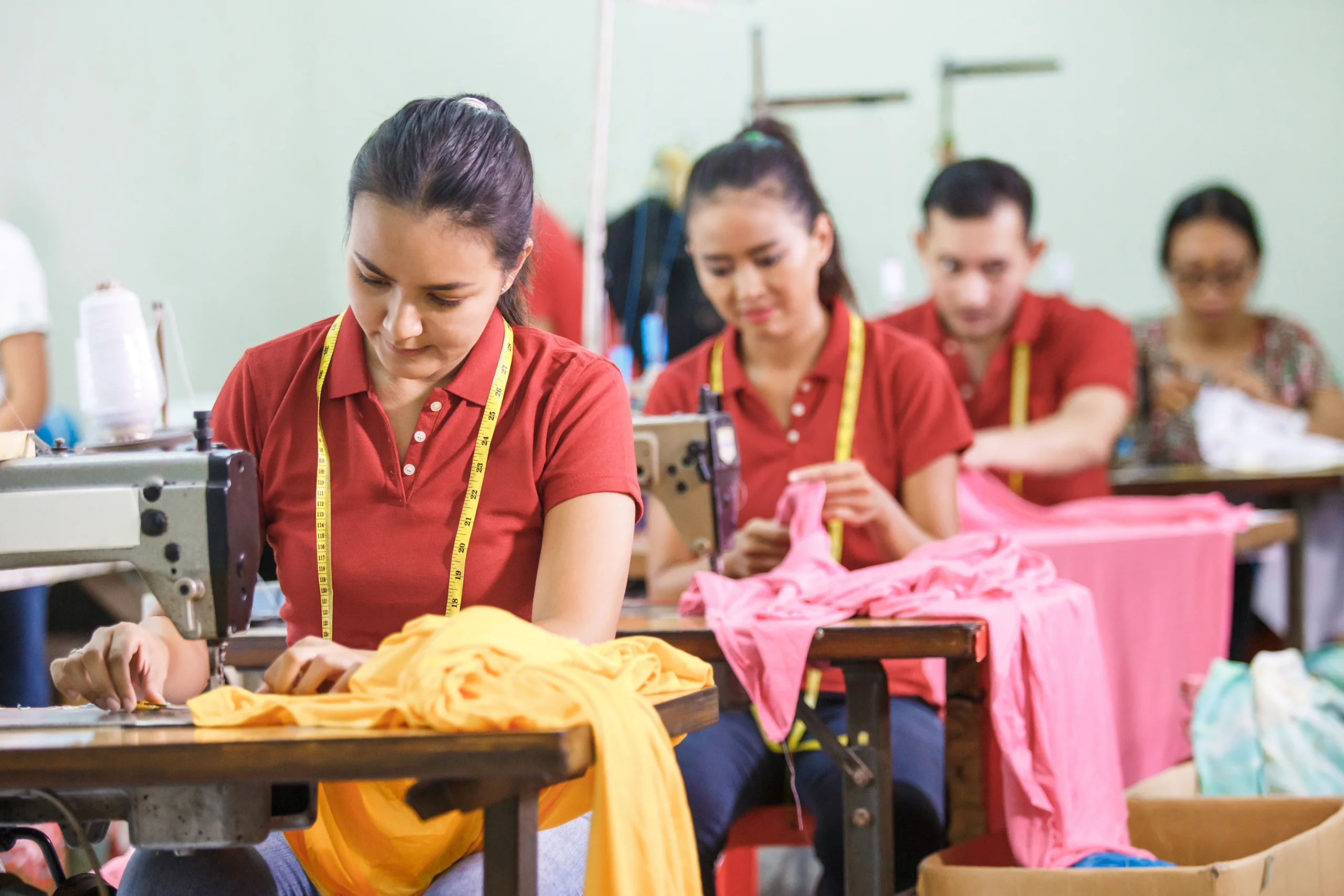
Understanding the Apparel Production Process
Before garments reach consumers, they pass through a series of stages known collectively as the apparel production pipeline. Each stage requires coordination between designers, manufacturers, suppliers, and distributors.
The typical clothing production cycle includes:
- Design and concept development
- Technical design and pattern making
- Fabric and material sourcing
- Sample production and revisions
- Manufacturing and assembly
- Quality control and inspection
- Distribution and retail sales
Every step influences product quality, cost, and brand reputation. For example, poor fabric sourcing may lead to garments that fade quickly or lose shape after washing. Weak quality control may result in inconsistent sizing or defective stitching.
Understanding how each stage works allows clothing entrepreneurs to avoid costly mistakes and build a reliable production system.
Step 1: Develop and Refine Your Clothing Designs
The starting point of any clothing line is the design concept. However, transforming a creative idea into a manufacturable product requires more than sketches.
Professional clothing production relies on detailed design documentation called tech packs, which provide manufacturers with precise instructions on how garments should be constructed.
A typical tech pack includes:
- Fabric type and weight
- Color specifications
- Stitching instructions
- Pattern measurements
- Label placement
- Packaging instructions
These technical details ensure that manufacturers produce garments exactly as intended. Without clear specifications, factories may interpret designs differently, leading to inconsistent products.
Many brands use professional design software such as:
- Adobe Illustrator
- CLO 3D
- Browzwear
- Optitex
Digital design tools allow designers to create realistic garment simulations and make adjustments before producing physical samples.
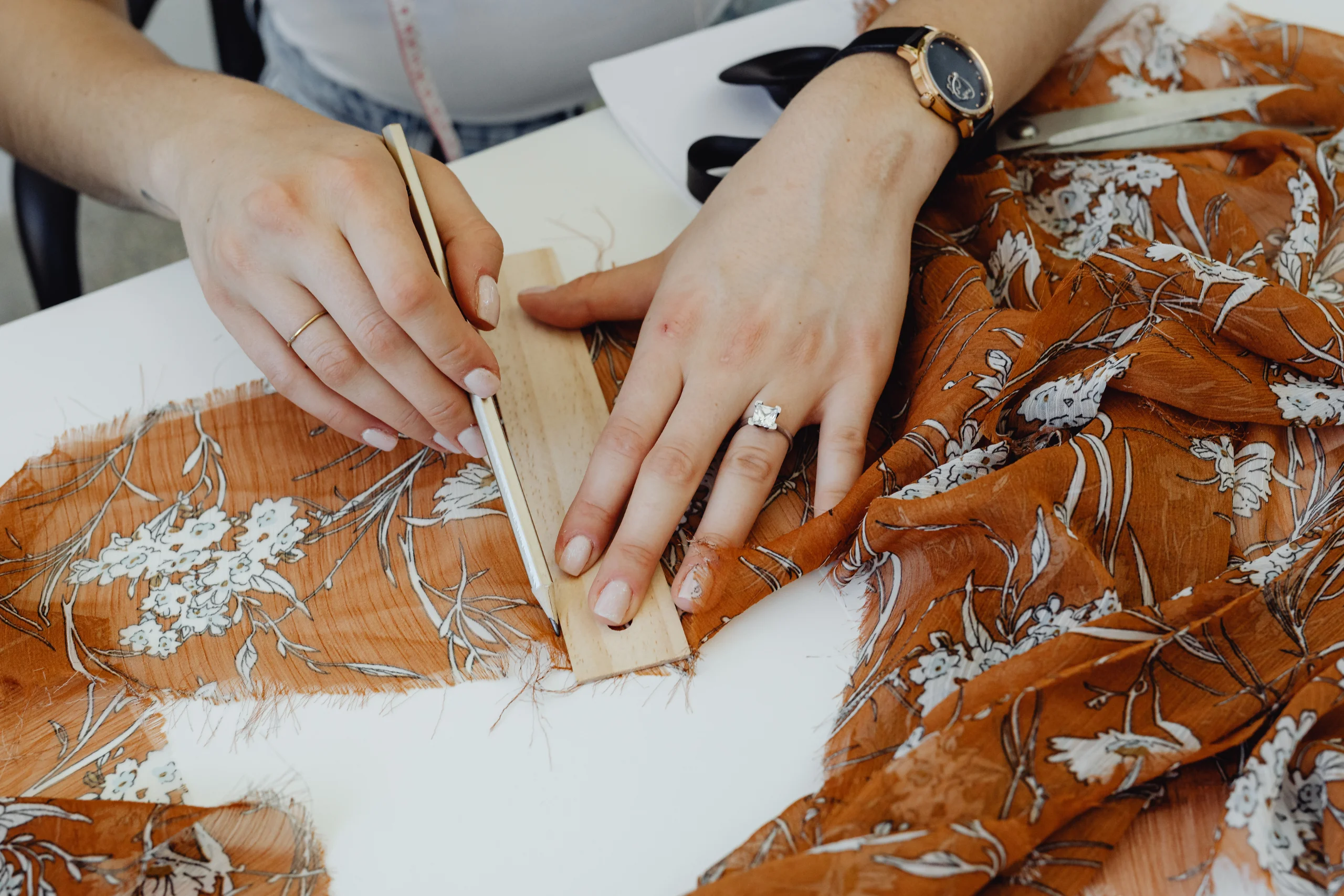
Step 2: Create Prototypes and Samples
Sampling is one of the most important stages in clothing production. A sample garment represents the first physical version of your design.
Creating samples allows designers and entrepreneurs to evaluate:
- Fit and comfort
- Fabric durability
- Color accuracy
- Stitch quality
- Overall aesthetic
Multiple sampling rounds are common before final production begins. Designers often create a prototype sample, then refine it through fit samples and pre-production samples.
Below is a typical breakdown of sampling stages.
| Sample Type | Purpose | Typical Cost Range |
|---|---|---|
| Prototype Sample | Initial garment construction | $50 – $300 |
| Fit Sample | Adjust sizing and proportions | $50 – $200 |
| Sales Sample | Used for marketing and buyer presentations | $100 – $400 |
| Pre-Production Sample | Final approval before manufacturing | $100 – $500 |
Although sampling adds upfront costs, it prevents expensive errors during mass production. For example, discovering a design flaw after producing thousands of units could lead to major financial losses.
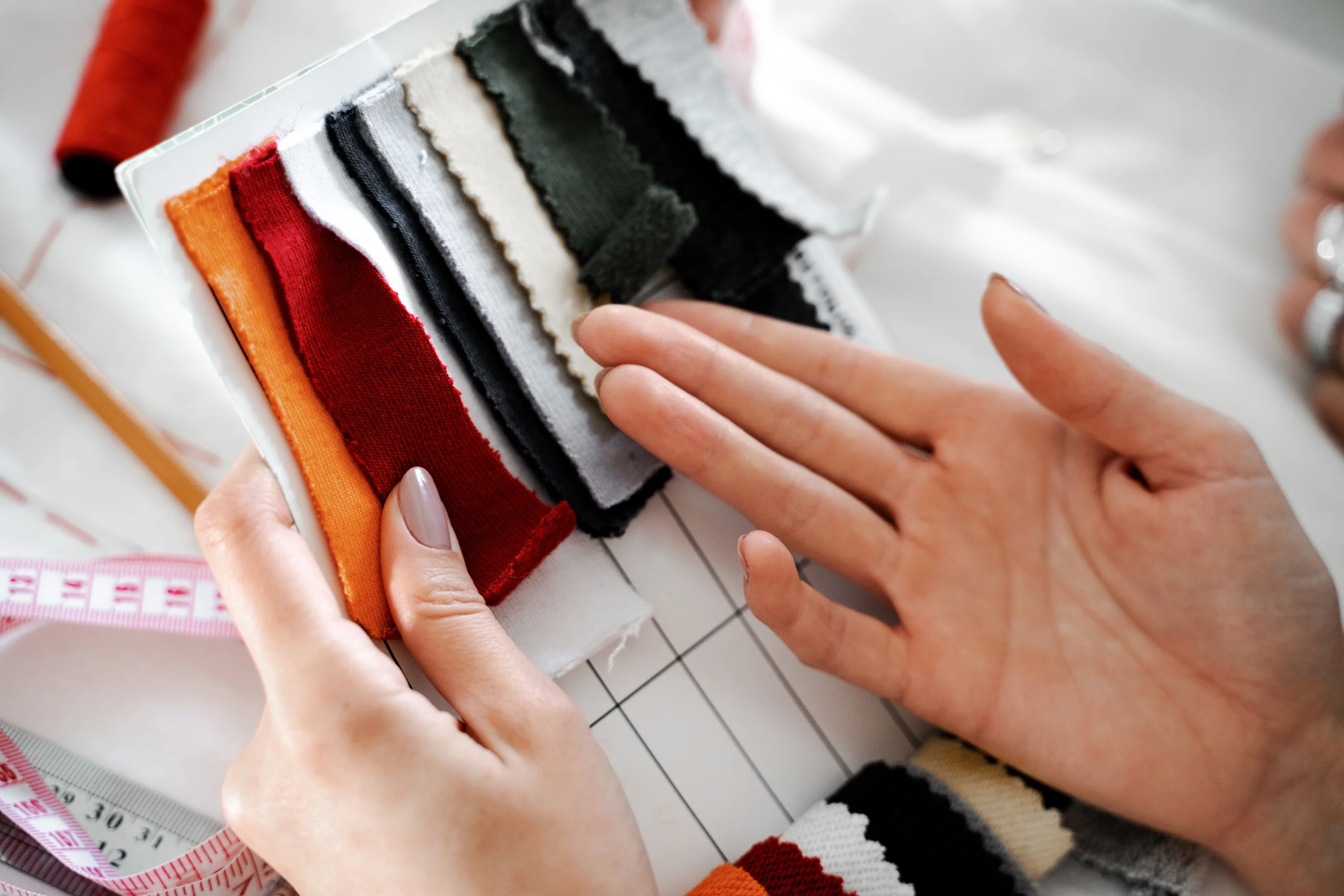
Step 3: Source Fabrics and Materials
Fabric selection strongly influences both the quality and price of clothing products. The global textile industry produces enormous quantities of material each year. In 2023 alone, worldwide fiber production reached approximately 124 million tonnes, reflecting the scale of the global textile supply chain.
Clothing brands can source fabrics through several channels:
- Textile mills
- Fabric wholesalers
- Trade shows and sourcing fairs
- Online textile marketplaces
When selecting fabrics, designers must consider factors such as durability, comfort, weight, and sustainability.
Key criteria for evaluating fabric suppliers include:
- Minimum order quantities
- Color consistency
- Shipping timelines
- Ethical labor practices
- Environmental impact
Increasingly, consumers expect clothing brands to prioritize sustainable materials. Fabrics such as organic cotton, recycled polyester, hemp, and bamboo are becoming more popular as environmental awareness grows.
Brands that emphasize responsible sourcing often gain stronger customer loyalty.
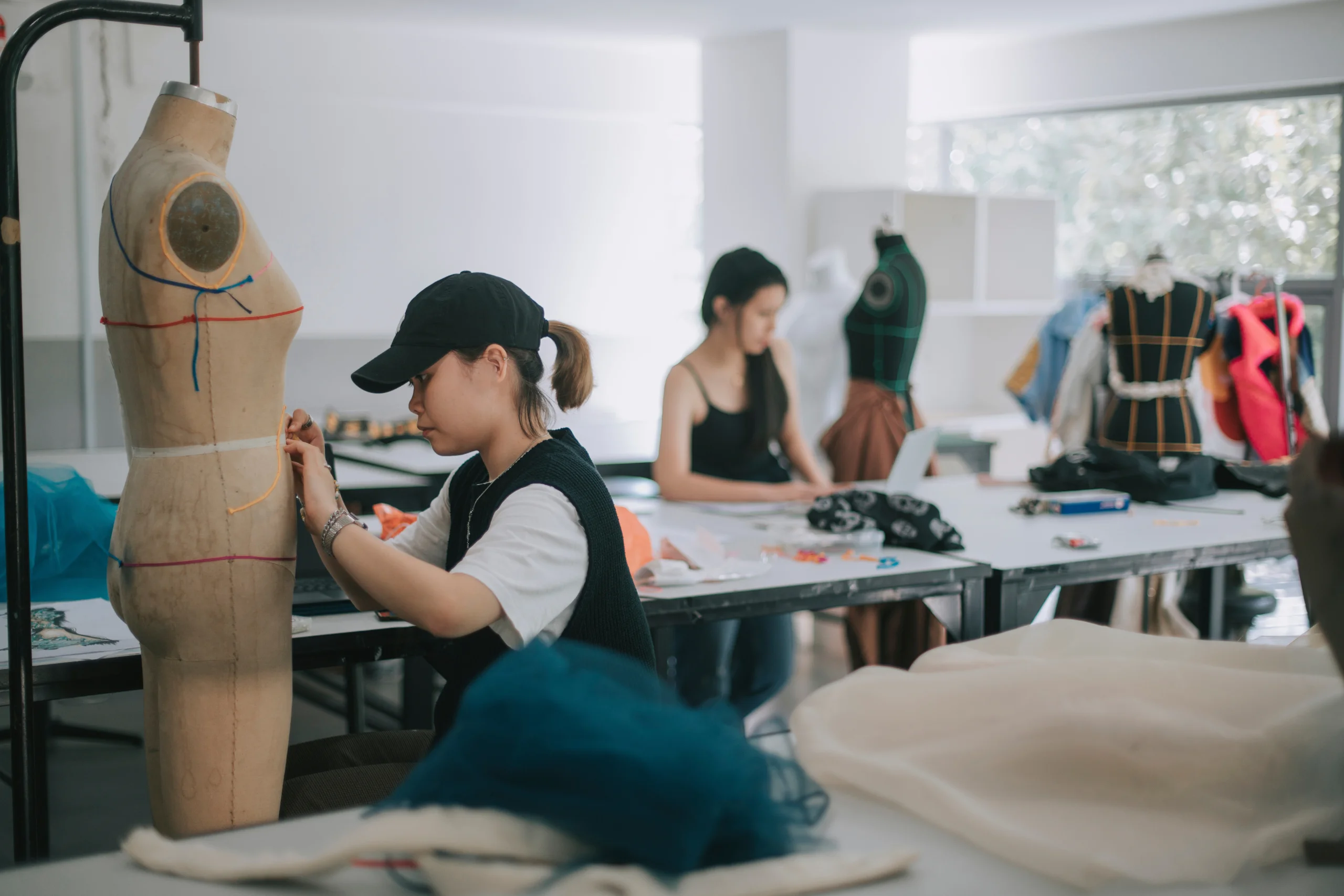
Step 4: Choose a Manufacturing Strategy
Choosing the right manufacturing approach is one of the most critical decisions for a clothing entrepreneur.
Production methods vary widely depending on the size of the clothing line, the budget available, and the complexity of the garments.
Below are common manufacturing strategies.
| Manufacturing Method | Description | Advantages | Challenges |
|---|---|---|---|
| In-House Production | Garments produced internally | Full quality control | High startup costs |
| Local Contractors | Work with nearby factories | Easier communication | Higher labor costs |
| Overseas Manufacturing | Production outsourced abroad | Lower costs | Longer supply chains |
| Small-Batch Production | Limited production runs | Lower risk | Higher unit costs |
Global clothing manufacturing is heavily concentrated in Asia. Countries such as China, Vietnam, Bangladesh, and India dominate apparel production due to lower labor costs and established textile infrastructure.
In contrast, domestic clothing production in countries like the United States is relatively limited. Only about 3 percent of clothing sold in the U.S. is manufactured domestically, reflecting decades of manufacturing outsourcing to overseas factories.
However, some fashion brands still choose domestic production to emphasize quality control, ethical labor practices, and faster shipping.
Step 5: Negotiate Manufacturing Agreements
Once you identify potential manufacturers, it is essential to establish clear agreements before beginning production.
Key factors to negotiate include:
- Minimum order quantities (MOQs)
- Production timelines
- Payment terms
- Quality standards
- Shipping responsibilities
Manufacturers often require deposits before starting production. Typical payment structures include 30 percent upfront and the remaining balance upon completion.
It is also wise to establish written contracts that protect your design intellectual property.
Step 6: Implement Quality Control
Quality control is a crucial step that protects your brand reputation.
Clothing defects can occur for many reasons, including fabric flaws, stitching errors, and incorrect sizing.
Quality inspections typically occur at several stages.
| Inspection Stage | Purpose |
|---|---|
| Pre-Production | Confirm materials and specifications |
| Mid-Production | Inspect garments during manufacturing |
| Final Inspection | Verify finished products meet standards |
Some clothing brands hire third-party quality inspection services to evaluate products before shipment.
Consistent quality control ensures that customers receive reliable garments and helps prevent costly product returns.
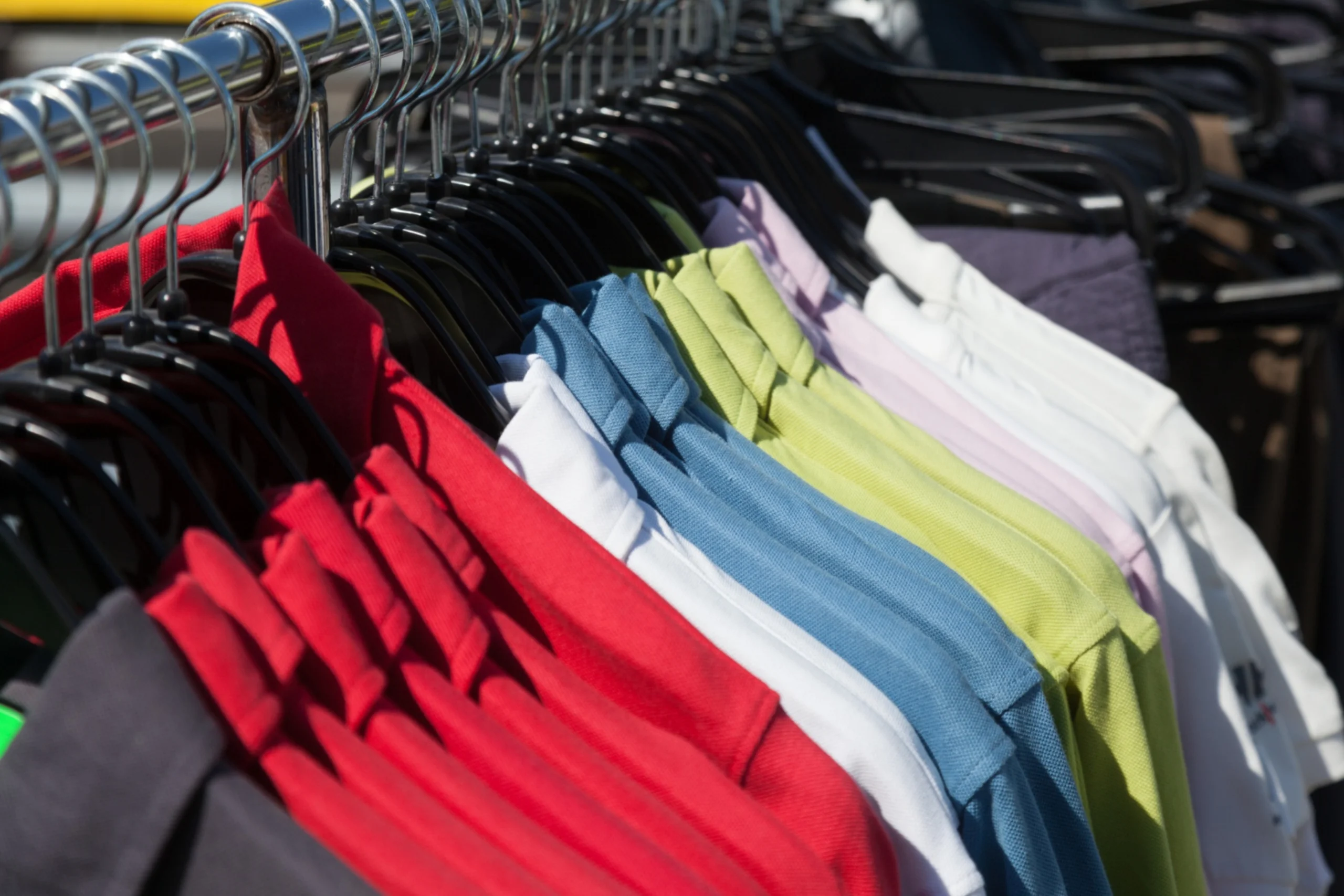
Step 7: Determine Distribution Channels
Producing clothing is only half the challenge. The next step is determining how to sell your products effectively.
Modern clothing brands often use multiple distribution channels to maximize visibility and revenue.
| Distribution Channel | Description |
|---|---|
| Direct-to-Consumer | Selling through your own website |
| Retail Partnerships | Selling through boutiques or department stores |
| Online Marketplaces | Amazon, Etsy, or fashion marketplaces |
| Pop-Up Shops | Temporary retail events |
| Fashion Trade Shows | Selling to wholesale buyers |
Many emerging clothing brands begin with direct-to-consumer e-commerce because it allows them to maintain control over pricing and branding.
Retail partnerships can provide additional exposure but often require wholesale pricing discounts.
Some entrepreneurs begin with small collections produced from home or through print-on-demand platforms before scaling into full manufacturing. If you are launching on a smaller scale, see our guide on How to Start a Successful Small Clothing Business from Home.
Selling to Retail Buyers
Selling clothing through retail stores remains an important growth strategy for many fashion brands.
Retail buyers look for clothing lines that offer:
- Unique design identity
- Consistent product quality
- Reliable delivery schedules
- Attractive profit margins
To present your clothing line professionally, prepare the following materials:
- A lookbook showcasing your collection
- Product samples
- Wholesale pricing sheets
- Production timelines
Trade shows and fashion markets are valuable opportunities to connect with retail buyers.
Major fashion trade events in cities like New York, Los Angeles, Chicago, and Atlanta attract buyers from boutiques and department stores seeking new brands.
Pricing Your Clothing Line
Pricing strategy determines whether your clothing line can remain profitable while remaining competitive in the market.
A common pricing formula used in fashion retail is the keystone markup model.
| Pricing Stage | Typical Markup |
|---|---|
| Production Cost | Base manufacturing cost |
| Wholesale Price | 2 × production cost |
| Retail Price | 2 × wholesale price |
Example:
- Production cost: $25
- Wholesale price: $50
- Retail price: $100
This structure allows both the brand and retailers to earn profit.
Pricing decisions must also account for marketing expenses, shipping costs, and potential returns.
Financing Your Clothing Line
Launching a clothing line can require significant capital depending on the scale of production.
Startup expenses may include:
- Sample development
- Fabric sourcing
- Manufacturing costs
- Branding and packaging
- Marketing campaigns
- Inventory storage
In many cases, developing a complete set of product samples can cost $5,000 to $10,000 or more, especially for complex garments.
Entrepreneurs often finance clothing startups through several sources:
- Personal savings
- Small business loans
- Crowdfunding platforms
- Angel investors
Careful financial planning is essential because clothing businesses may take several seasons to gain recognition and consistent sales.
Marketing Your Clothing Brand
Even the most innovative clothing designs require effective marketing to reach customers.
Modern fashion marketing relies heavily on digital platforms.
Popular strategies include:
- Social media marketing
- Influencer collaborations
- Content marketing
- Email newsletters
- Paid advertising campaigns
Social media platforms such as Instagram and TikTok are especially influential in fashion marketing because they allow brands to showcase products visually.
Storytelling is also important. Customers increasingly support brands that communicate authentic missions related to sustainability, craftsmanship, or cultural inspiration.
Manufacturing and production are only part of building a fashion brand. Entrepreneurs must also develop a clear concept, target audience, and product strategy. If you are still shaping your brand direction, revisit our comprehensive guide on How to Start a Clothing Line Business.
Conclusion
Manufacturing, producing, and selling your clothing line requires more than creative designs. It demands careful planning, reliable partnerships, disciplined quality control, and a clear strategy for bringing your garments to market. From sourcing fabrics and creating samples to coordinating production schedules and managing distribution channels, each step plays a critical role in determining whether your clothing line becomes a sustainable business or an expensive experiment.
Entrepreneurs who succeed in the apparel industry understand that production decisions affect everything else in the business. The factories you work with influence product quality and delivery reliability. The materials you select affect pricing, brand positioning, and customer perception. Your manufacturing scale determines how much inventory risk you carry and how quickly you can respond to demand.
It is also important to remember that production should always be aligned with your broader brand strategy. The type of garments you manufacture, the quantities you produce, and the markets you sell into should all reflect the identity and positioning of your clothing line. If you have not yet fully defined your brand concept, niche, and product strategy, review our guide on How to Start a Clothing Line Business, which explains how to build a strong foundation before entering production.
Some fashion entrepreneurs begin with small-batch production or limited runs while they test the market. Others scale quickly by working with larger manufacturers and wholesale partners. There is no single correct path. The best approach depends on your target customers, available capital, and long-term vision for the brand.
What matters most is that you approach production as a system rather than a single task. A successful clothing line balances design, manufacturing, and sales in a coordinated process that can deliver consistent quality and reliable supply. When these elements work together effectively, your clothing line can move beyond the concept stage and become a brand capable of growing in an increasingly competitive fashion marketplace.
Frequently Asked Questions
How much does it cost to manufacture a clothing line?
The cost depends on garment complexity, production volume, and manufacturing location. Small clothing startups often spend several thousand dollars developing samples and initial inventory before launching their first collection.
Should I manufacture clothing domestically or overseas?
Domestic manufacturing offers stronger quality control and faster shipping but usually costs more. Overseas production can reduce costs but may involve longer lead times and logistical challenges.
What is a minimum order quantity in clothing manufacturing?
Minimum order quantity refers to the smallest production run a factory will accept. Many apparel manufacturers require minimum orders ranging from 100 to 500 units per design.
How long does clothing production take?
Production timelines vary widely. Sample development may take several weeks, while full manufacturing runs may take two to four months depending on complexity and factory capacity.
Can a small clothing brand succeed in a competitive market?
Yes. Many successful fashion brands began as small independent labels. Focusing on a specific niche, building a strong brand identity, and maintaining consistent product quality can help smaller brands compete effectively.
Read: How to Start a Clothing Line Business

Quality content is the secret to be a focus for the visitors to pay a visit the web site, that’s what this website is providing.