

In today’s fast-paced digital economy, adaptability is everything. Modular server architecture gives businesses the agility they need to scale quickly, respond to change, and innovate without disruption. By dividing server systems into independent modules, companies can expand or upgrade their IT infrastructure seamlessly, reduce costs, and boost sustainability. This article explores how modular design empowers businesses to stay competitive in a world driven by speed, efficiency, and flexibility.

Key Takeaways
- Agility is essential in the digital era. Businesses must adapt to changing market and technological conditions faster than ever before.
- Modular architecture offers flexibility. It allows companies to scale computing resources up or down quickly, improving operational efficiency.
- Downtime is minimized. Hot-swappable modules make repairs and upgrades faster without disrupting workflows.
- Cost efficiency improves. The pay-as-you-grow model avoids overinvestment in unused infrastructure.
- Supports innovation. Modular setups enable faster deployment of new services and applications.
- Sustainability gains matter. Modular systems reduce waste, energy use, and carbon emissions.
- Future-ready foundation. Ideal for AI, IoT, 5G, and hybrid environments that demand constant adaptability.
Agility is no longer a choice in the fast-changing digital economy, but a competitive requirement. Organizations should be in a position to react fast to customer requirements, market changes, and technological interruptions. Modular server architecture is one of the best methods to attain this as it is a contemporary IT architecture that allows it to be flexible, scaled, and adaptable quickly. Using a modular design, companies can model their data center into highly fluidic ecosystems capable of handling unceasing expansion and innovation.
Table of Contents

Understanding Modular Server Architecture
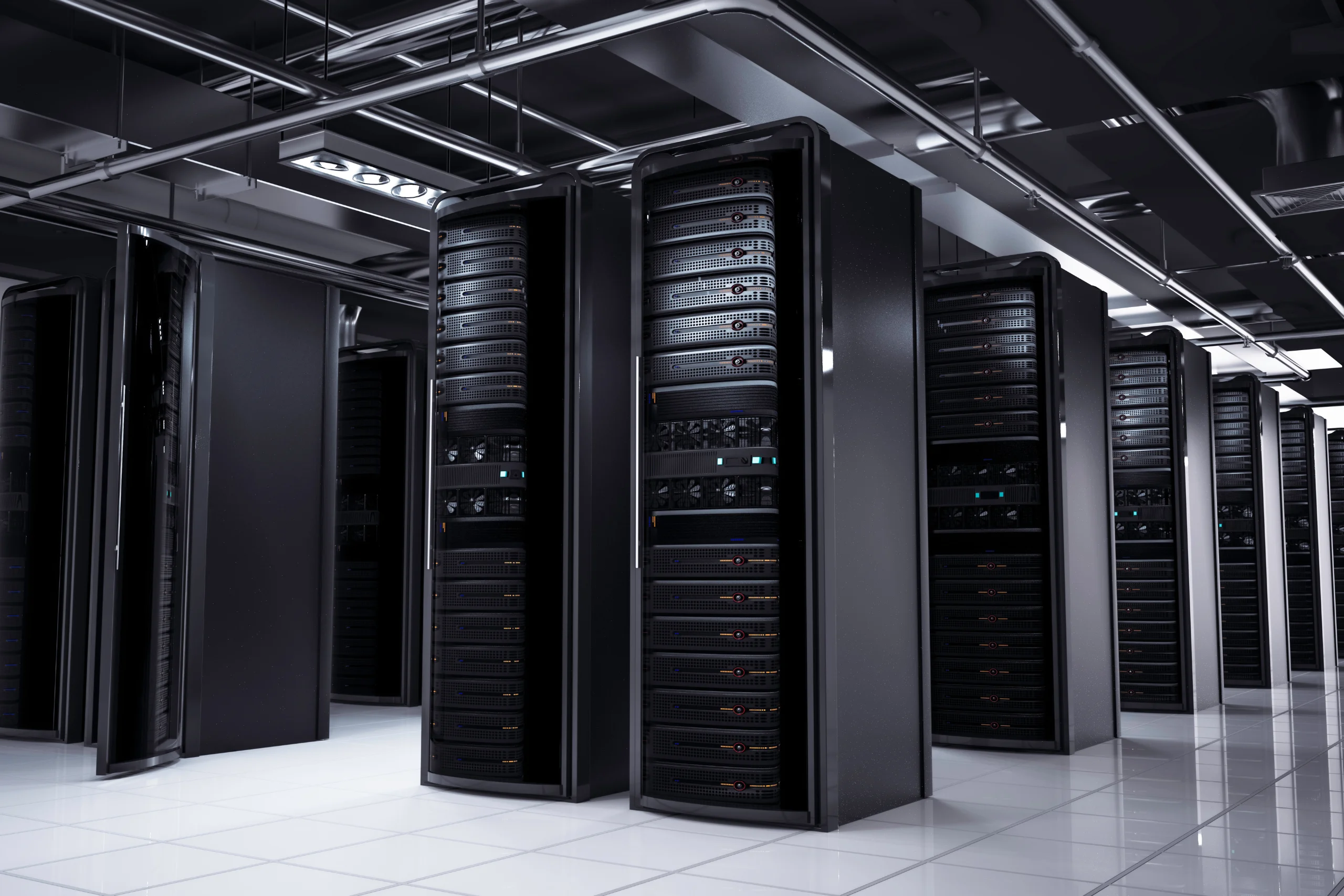
Modular server architecture is a system design method in which servers are subdivided into self-contained, independent units, called modules, which can be added, replaced or reconfigured without impacting the rest of the infrastructure. Every module can have its own computing, network and storage resources so that IT departments can grow or change systems smoothly as business requirements change.
In contrast to the traditional monolithic servers which have to be replaced or upgraded in a complex manner, modular setups enable organizations to add resources in a piece by piece manner. This dynamic makes it possible to have a situation in which technology is not developed based on different intent other than the business goals.
Why Business Agility Matters
Business agility refers to the capacity to respond to changes fast without compromising efficiency and productivity. At a time when cloud computing, remote operations, and digital transformation have become the new reality, agility defines the speed at which a company is able to launch new products, improve the services, or enter new markets.
Fixed IT infrastructure tends to retard development. Conventional server systems may require weeks or even months to upgrade or expand which slows down innovation and responsiveness. By combining the creativity of an with the adaptability of modular server architecture, businesses can accelerate digital transformation and foster continuous innovation.

How Modular Server Architecture Enhances Agilit
Rapid Scalability
Under modular architecture, businesses can add capacity virtually overnight. During peak sales seasons or a new product launch, IT teams are able just to add new modules to deal with the demand spike. These modules can be reused or scaled down once demand levels off, ensuring optimized resource allocation and cost management.
Streamlined Repairs and Upgrades
Conventional servers will need to be put offline during maintenance or enhancement and these will interfere with business continuity. Modular systems, however, can be hot-swapped; that is, components can be replaced or upgraded without having to shut down the entire system. This reduces downtime and makes sure that service delivery will not be interrupted which is an essential element of operational agility.
Quickening of the implementation of new services
Time-to-market is all in the competitive industries. Modular infrastructure facilitates an accelerated cycle of development and deployment through the ability of IT teams to create, test and roll-out new environments in a short period of time. Ready-made modules can be implemented in a matter of days, and businesses are able to implement new digital services or applications without time-consuming setups.
Better Resource Effectiveness
Agility does not only imply speed, but it also entails efficiency. Modular architecture will enable businesses to allocate resources to areas where they are most needed. For instance, high-performance computing modules are suitable for managing analytics workloads, while lower-capacity modules are better suited for standard operations. This dynamic resource distribution will make sure that all aspects of the infrastructure will help in achieving organizational objectives.
Cost-Effective Expansion
Operational flexibility is not more essential than financial agility. Modular architecture promotes the pay-as-you-grow concept instead of spending a lot on building large-scale infrastructure that could be underutilized. An enterprise can be launched small and grow over time, making the best use of capital investments and still having the potential to grow when it will be used.

Real-life examples of Modular architecture
A variety of best-performing businesses are already using modular systems to enhance the ability to become agile. Cloud service providers utilize modular servers to cope with variable workloads. During the periods of festivals, e-commerce sites increase the number of servers and after the festival, they reduce the number of servers to save on expenses. Similarly, financial institutions utilize modular systems to streamline real-time analytics and compliance processes, eliminating the need to overhaul the entire data center environment.
Besides, modular designs are used in edge computing, which involves processing data closer to the user. The small, mobile modules will be able to be deployed rapidly in multiple locations to provide low-latency services to IoT, AI, and 5G uses. This regional strategy is more responsive and it promotes new business models relying on real-time processing.
Sustainability and Long-Term Agility
The other benefit of modular architecture is sustainability. Green IT solutions are also becoming very popular in modern times to achieve regulatory and environmental objectives. Modular data centers use less power, less heat is emitted and highly developed cooling systems that help in decreasing carbon footprints. Further, modules can be reused or upgraded, leading to an extension of the overall life cycle of IT assets, as well as limiting electronic waste.
Green infrastructure is not only an ethical decision, but also a strategic one. It enables the organizations to be in a safe zone, with lower operational costs, and resilience against future technology. When infrastructure can be developed in a manner that does not disrupt or waste it, it is possible to create sustainable agility.
Challenges
The modular server architecture is associated with challenges despite its numerous advantages. The first stage should be properly planned to avoid incompatibility between modules and the current systems. New modular management tools and processes are also needed in the IT teams. The challenges, however, are short-term investments that would provide high performance, reliability, and agility in the long term.
The future of Agile IT Infrastructure
It is, by definition, flexible to support cloud-native applications, hybrid environments, and AI-based automation – all of which require constant adaptability. With the development, modular systems will be enhanced to be more powerful, intelligent, and self-optimizing. Modular systems will become more powerful, intelligent, and self-optimizing through the development of containerization, virtualization, and edge technologies.
The businesses that adopt modular design in the coming years will be better positioned to handle unpredictability, whether it’s a sudden market shift, a change in customer demand, or a technological breakthrough.
Conclusion
Modular server architecture provides the agility required in a fast changing world making businesses successful. It makes IT infrastructure a strategic asset by allowing it to scale quickly, minimizing downtime, and allowing it to support cost-effective expansion. Companies that invest in modular systems nowadays are not only creating more resilient and stronger data centers, but also more flexible, adaptable, and future-proof businesses.
Frequently Asked Questions (FAQ)
What is modular server architecture and how does it work?
Modular server architecture is a design approach that breaks traditional monolithic servers into independent, interchangeable modules. Each module handles its own computing, storage, or networking tasks and can be added, upgraded, or replaced without affecting the rest of the system. This approach gives IT departments the flexibility to scale infrastructure incrementally — rather than rebuilding entire systems — while maintaining performance and uptime. The result is a dynamic environment that can grow or shrink with demand, ensuring optimal resource use and faster adaptation to changing business needs.
How does modular server architecture improve business agility?
Business agility means being able to adapt quickly to new challenges, opportunities, or technologies. Modular server architecture supports this by enabling rapid scalability — adding capacity during demand spikes or reducing it when things slow down. It also eliminates lengthy upgrade processes, since modules can be swapped or upgraded without taking systems offline. This means faster response times, less downtime, and quicker rollout of digital products and services. The flexibility to adapt IT systems in real time gives companies a competitive edge in innovation and customer satisfaction.
Is modular server architecture cost-effective for small and mid-sized businesses?
Yes, modular systems are ideal for small and mid-sized enterprises because they support a “pay-as-you-grow” approach. Instead of investing heavily upfront in large-scale infrastructure, businesses can start small and add modules as needed. This minimizes financial risk and allows capital to be directed toward immediate operational priorities. Over time, businesses achieve better cost predictability, lower maintenance expenses, and improved return on IT investments. In short, modular architecture balances agility with affordability — a combination that benefits organizations of all sizes.
What role does modular server architecture play in sustainability?
Sustainability is a growing concern for modern IT operations. Modular server systems help by reducing power consumption, minimizing heat output, and extending hardware lifespan. Since individual modules can be upgraded or replaced, organizations avoid the waste of replacing entire systems. Many modular setups also support advanced cooling systems and energy-efficient designs, lowering both operational costs and environmental impact. This sustainable approach aligns with global efforts toward green IT practices, helping companies meet environmental regulations and improve their corporate responsibility image.
What industries benefit the most from modular server systems?
Industries with dynamic workloads or data-heavy operations benefit most from modular server systems. This includes cloud service providers, e-commerce, financial services, telecommunications, healthcare, and manufacturing. For instance, e-commerce companies can add capacity during peak shopping seasons, while financial firms use modular setups to process real-time analytics without downtime. Additionally, industries relying on IoT, AI, and 5G technologies gain the advantage of deploying localized, low-latency computing modules close to users — improving responsiveness and user experience.
