

This article was originally published on June 14, 2023 and updated on January 25, 2026.
Starting a successful BBQ restaurant takes more than great food. These nine practical tips cover equipment, location, niche, service options, marketing, and launch strategy—so you can build a BBQ business that runs smoothly and earns repeat customers.
Key Takeaways
- BBQ success depends on operations + consistency, not just good food.
- Spend where failure hurts most: equipment, refrigeration, holding, and workflow.
- A “good location” is one that matches how your customers buy BBQ (lunch, pickup, family packs).
- Your niche should be repeatable in one sentence and show up clearly in the menu.
- Start with service options you can execute well—pickup-first is usually the safest.
- Soft openings and gradual scaling help protect reviews and build repeat customers.
Opening a BBQ restaurant is one of those dreams that feels straightforward—until you’re in it. Because unlike a lot of food concepts, BBQ has long cook times, real equipment demands, and a customer base that can be… passionate. People don’t just “like” barbecue. They have opinions. That’s good news if your food is consistent and your concept is clear, but it also means you can’t wing the business side and hope great ribs will carry everything.
The good news: you don’t need a perfect launch to succeed. You need the right priorities—equipment that won’t fail mid-rush, a location that matches your audience, a concept people remember, service options that meet modern habits, and marketing that brings in repeat customers (not just one-time curiosity).
If you’re in “I’m seriously opening” mode, the tips below will help you avoid common early mistakes and build a BBQ restaurant that can actually last.
Want the step-by-step startup roadmap (permits, business setup, validating demand, budgeting categories, launch plan)? Check out the article: “How to Start a Barbecue Rib Joint Business (Complete Guide)”.
Table of Contents
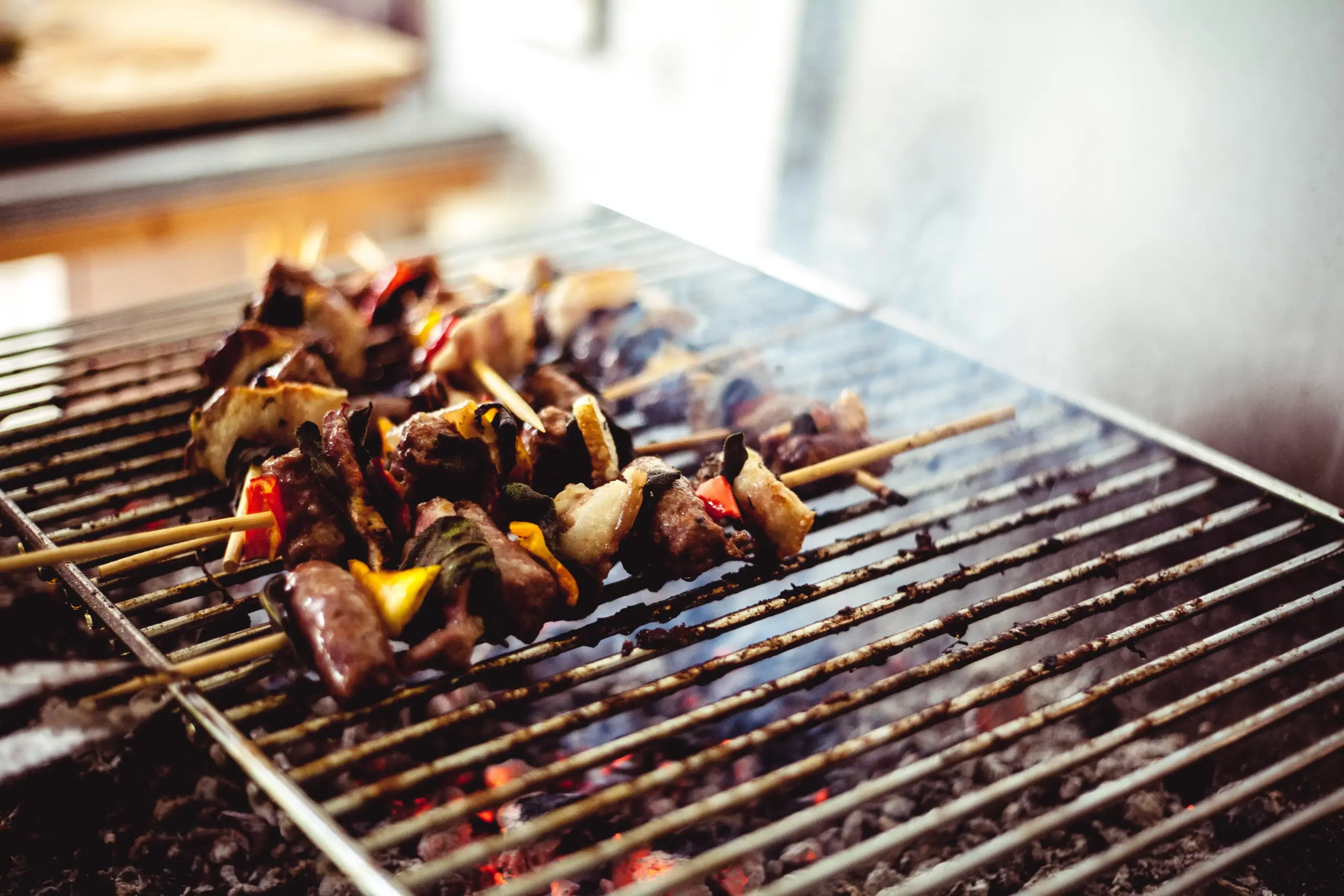
9 Tips on Starting a BBQ Business
1. Invest in Durable, High-Quality Equipment
One misconception new owners have is that success comes from “keeping costs low.” But BBQ is one of the worst restaurant categories to cheap out on—because your reputation depends on consistency, and your operations depend on equipment that can handle heat, volume, and long hours.
Instead of buying the cheapest version of everything, put your money where failures hurt most: cooking and holding. When equipment goes down, you’re not just losing sales—you’re losing customer trust.
What to prioritize:
- Commercial smoker/grill setup that fits your volume
- Reliable refrigeration and freezer capacity
- Hot-holding and warming equipment (so you don’t serve dry product)
- Thermometers and food-safety monitoring tools
Practical tip: Get clear on your expected daily volume, then buy equipment that can handle your busy day—not your average day.
2. Pick a Location That Matches How People Buy BBQ
A good location is one of the most important aspects of any food business. Find a place with the highest foot traffic for your target market that your budget allows. Also, consider parking space and the location’s accessibility to public transportation. Similarly, you should do competitor research to see how other BBQ restaurants perform in comparable locations.
A “good location” isn’t only about foot traffic. BBQ customers often buy in a few predictable patterns:
- lunch combos (quick + convenient)
- dinner pickup (family meals)
- weekend cravings (bigger orders)
- event catering (high-margin opportunity)
So the best location depends on what kind of BBQ restaurant you’re building—counter-service, dine-in, takeout-heavy, or catering-forward.
Location checklist (quick but real):
- Can cars get in and out easily?
- Is there a visible signage opportunity?
- Is the parking situation painless?
- Are you near your target customers when they’re hungry?
- Can delivery drivers pick up without chaos?
Practical tip: Visit the area at your likely peak times (lunch, dinner, weekend). A location that looks great at 10 AM can be a nightmare at 6 PM.
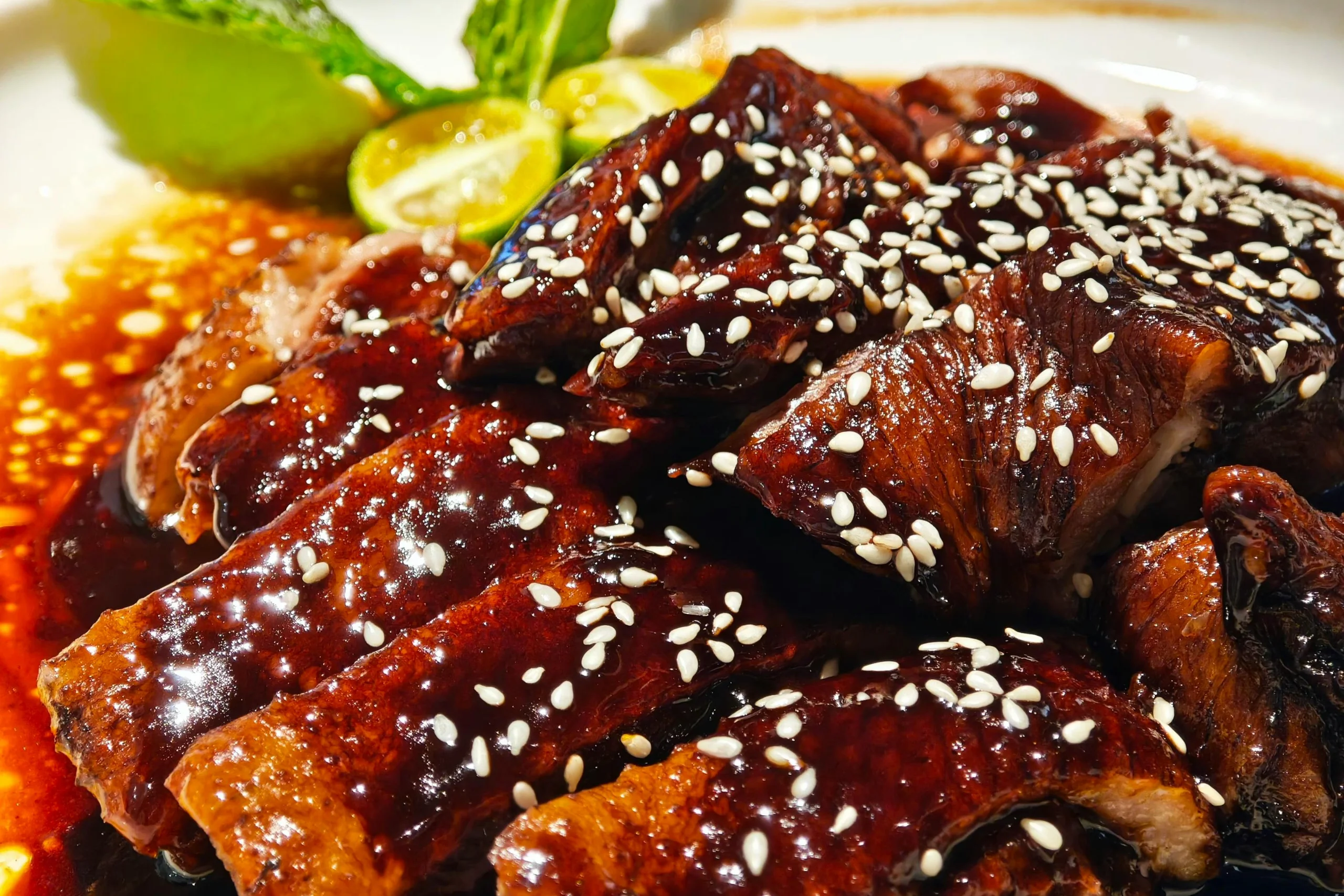
3. Find Your Niche
More people will come to your restaurant if you offer something unique. Find a niche, such as providing an all-organic, farm-to-table menu, providing the most value, or having the highest quality ingredients. A popular, though somewhat competitive, twist on BBQ that may be worth considering is Korean BBQ. Whatever you choose, be sure to market this niche as a unique value proposition to your target audience.
“Good BBQ” isn’t a niche. It’s the entry ticket. A niche is what people remember and repeat.
Examples of niches that work:
- a specific regional style (Texas, Carolina, Kansas City, etc.)
- one signature item people talk about (ribs, brisket, smoked wings)
- speed focus (great lunch BBQ without a 30-minute wait)
- premium ingredients (farm-to-table, heritage meats)
- a unique twist (Korean BBQ influence, spicy house sauces, etc.)
How to pressure-test your niche:
- Can a customer describe it in one sentence?
- Does it guide your menu (or does it just sound nice)?
- Can you prove it with a signature dish and consistent execution?
Practical tip: A tight niche helps your marketing. It gives customers a reason to choose you over the place they already know.
4. Maximize the Value of Your Space
Once you’re paying rent, every square foot needs a purpose—even if that purpose is “improving customer flow.”
A great way to do this is by making every square inch of your restaurant valuable. That could mean adding decorations or memorabilia, or one may even leave some space empty if doing so adds aesthetic value. If it fits the tone of your business, unused space could be an opportunity to sell branded merchandise, such as caps, stickers, and shirts which also serve as a great way to advertise your business.
Some owners think maximizing space means cramming in more tables. But the real win is designing a space that supports:
- fast ordering and pickup
- clean customer flow (no bottlenecks)
- a vibe that matches the brand (BBQ can be casual and still feel intentional)
Ways to add value without overbuilding:
- pickup shelf for online orders (reduces line congestion)
- clearly labeled menu boards (cuts ordering time)
- branded merch corner (caps, sauces, shirts)
- wall story: your BBQ style, origin, and signature promise
Practical tip: If your service model is takeout-heavy, design for takeout first. Don’t let the dining room sabotage speed.
5. Use Social Media (and Local SEO) to Your Advantage
Almost everyone is on social media nowadays. A strong social media presence is a great low-to-no-cost way to boost your sales. Start a Facebook and Instagram page and post photos of your specialty dishes, your customers, and your promos. The more people who see your posts, the more customers you’ll be able to attract. Be sure to post regularly to keep the momentum of user engagement going.
Also, don’t forget to set up your Google My Business profile. It is a free and valuable tool available to local businesses that helps users learn where your business is and your hours of operation and learn how other users have rated your business.
BBQ is naturally social. Smoke, slicing, sauce, “sold out” signs—people love this content. But the key is consistency. A couple great posts won’t move the needle if you disappear for weeks.
What to post (simple but effective):
- daily specials (photo + price + hours)
- behind-the-scenes prep/smoke
- customer reactions and testimonials
- “here’s what’s hot today” stories
- catering trays and family packs
Don’t skip this: Set up and maintain your Google Business Profile:
- accurate hours (and holiday hours)
- updated photos
- menu link
- ordering link
- respond to reviews (especially early)
Practical tip: Your first goal isn’t “go viral.” It’s “be easy to find and easy to trust.”
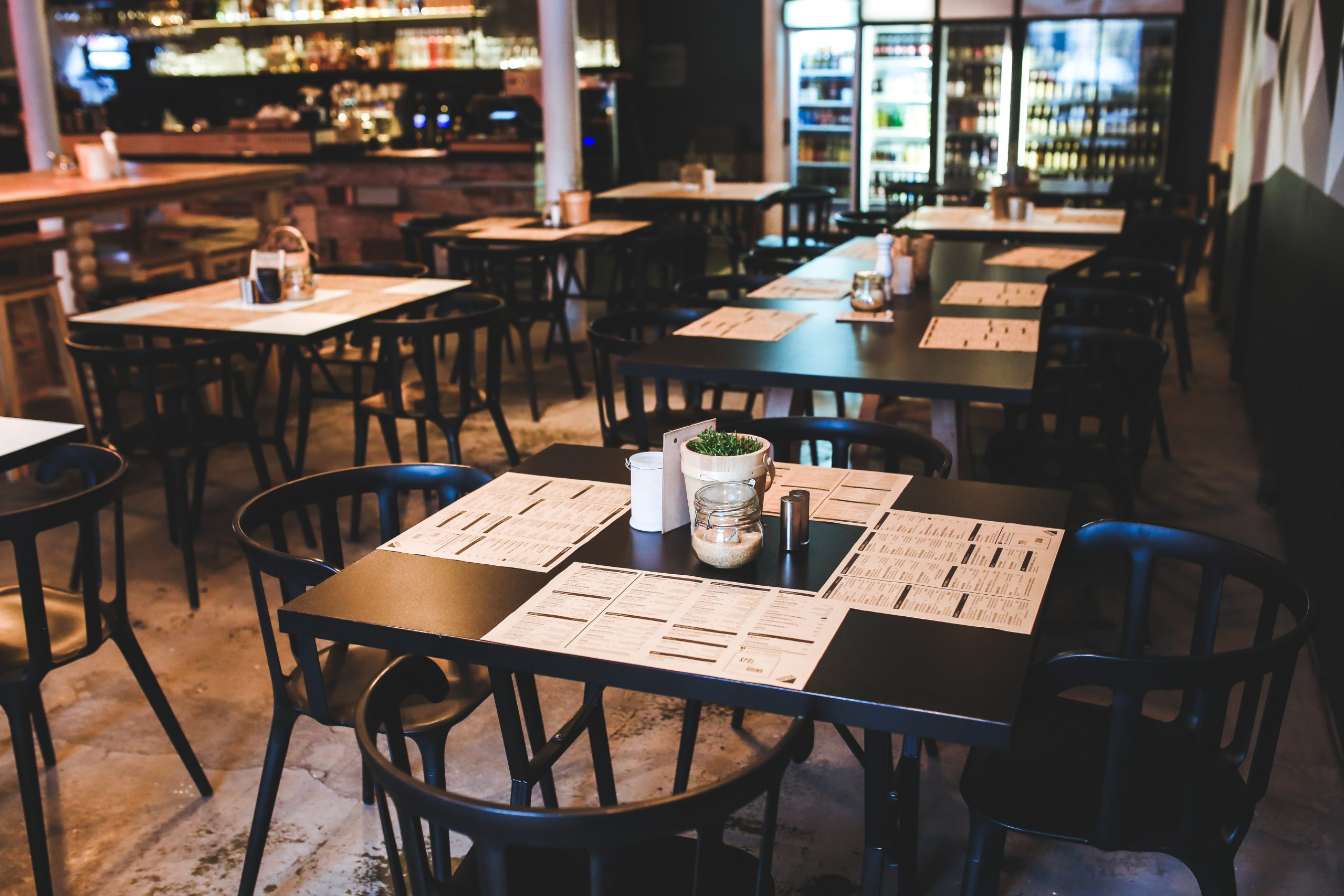
6. Maximize Service Options
Customer behavior changed hard in recent years, and takeout/delivery demand isn’t going away. If you feel it doesn’t clash with your business’s vibe, offering pickup and delivery options is a great way to boost revenue. While your kitchen may be busier, you can sell to more customers than you could use your dining areas alone. Giving your customers the option to order online with a third-party food delivery app or through your restaurant’s website adds convenience to your business and customers.
The right service options can lift revenue without requiring more seats. Here are smart service options for BBQ:
- online ordering for pickup (huge for dinner)
- family packs and platters (high ticket size)
- catering packages (often your best margin)
- limited delivery (only if it doesn’t destroy operations)
Key warning: If delivery ruins your in-house timing, it will hurt your reviews—and reviews matter a lot for local restaurants.
Practical tip: Start with pickup-first online ordering. Add delivery only if you can protect quality and speed.
7. Be Quick on Your Feet
Changes and challenges are inevitable. Restaurants don’t fail because one thing goes wrong—they fail because owners don’t adapt at all, or they adapt so much they lose their identity.
Food trends, changes to your locale, and other uncontrollable factors will crop up over time. To keep your BBQ restaurant business thriving, you must know when to adapt and when to hold fast. Many restaurants fail because they don’t adapt or because they chase trends and change too often, losing their identity and customers along the way. Be sure to thoroughly know your business, industry, and customers to help yourself know when to make a change or when to weather the storm.
Some easy-to-implement techniques include adding limited-time-only menu items whenever there are new food trends, serving unique drinks, or adding new delivery methods.
You want a steady core identity, with flexible tactics.
When to adapt:
- customer ordering patterns change (more pickup, less dine-in)
- ingredient costs rise (you need menu engineering)
- staffing shifts (you need simpler execution)
- competition increases (you need stronger positioning)
Ways to adapt without losing your brand:
- add limited-time specials
- seasonal sauces or sides
- weekday lunch combos
- new catering bundles
Practical tip: Write down what you’ll never change (your signature items, your flavor profile, your service model). That’s your anchor.
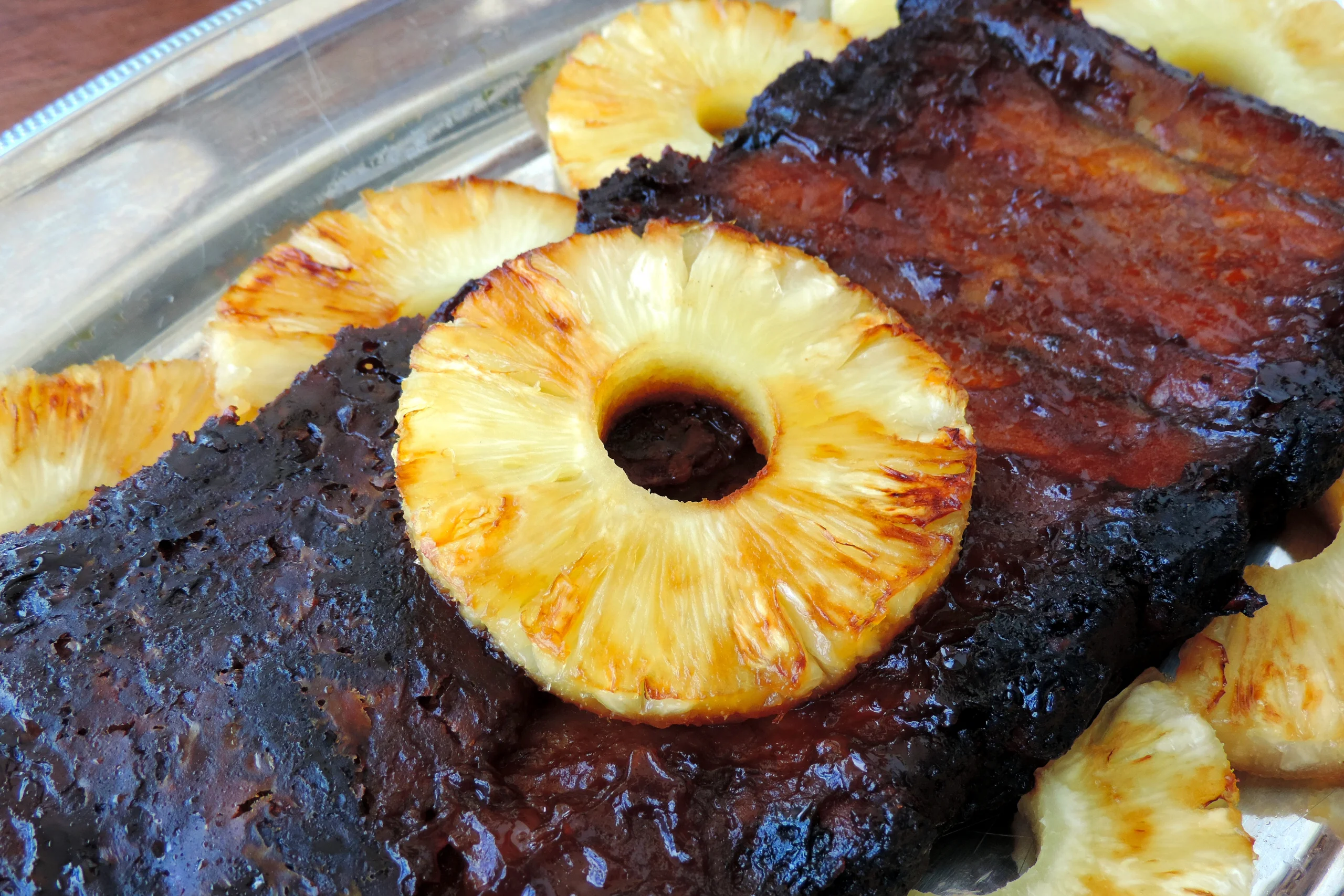
8. Consider the Franchising Route
Building your own BBQ restaurant brand from scratch can be very challenging. If you aren’t up for the risk, you might consider franchising an established BBQ restaurant brand. Franchises often come with guidance and support that could help you learn the ropes. That’s especially valuable if you’re new to the industry. You can even parlay what you learn into opening your own restaurant one day.
Franchising isn’t right for everyone, but it can be a smarter path if you want:
- systems and training support
- brand recognition from day one
- less guesswork (but less freedom)
The tradeoff is you’ll pay fees and follow rules. For some owners, that’s worth it. For others, it kills the dream.
Ask yourself:
- Do I want to build a brand—or run a business with guardrails?
- Am I okay trading control for a proven model?
- Do I have the capital and temperament for franchise expectations?
Practical tip: If you’re new to restaurants, franchising can be a real shortcut—just make sure the numbers work after fees.
9. Do It One Step At A Time
You don’t need to be a full-fledged BBQ restaurant when you’re starting. Many BBQ restaurants start out as pop-up restaurants or serve customers at BBQ competitions. Both opportunities are a great way to build a name for yourself before investing in a permanent location. And winning a few BBQ competition trophies is a great way to build customer trust for any BBQ restaurant.
A lot of BBQ businesses start too big and then drown in overhead. The smartest openings are staged:
- limited menu
- limited hours
- controlled learning period
- gradual expansion
The goal is to earn consistency first, then scale.
A safer opening approach:
- soft opening week with reduced menu
- tighten ticket times
- fix bottlenecks in ordering/pickup
- add menu items slowly once execution is smooth
Practical tip: A calm, controlled opening beats a chaotic grand opening that leads to bad reviews.
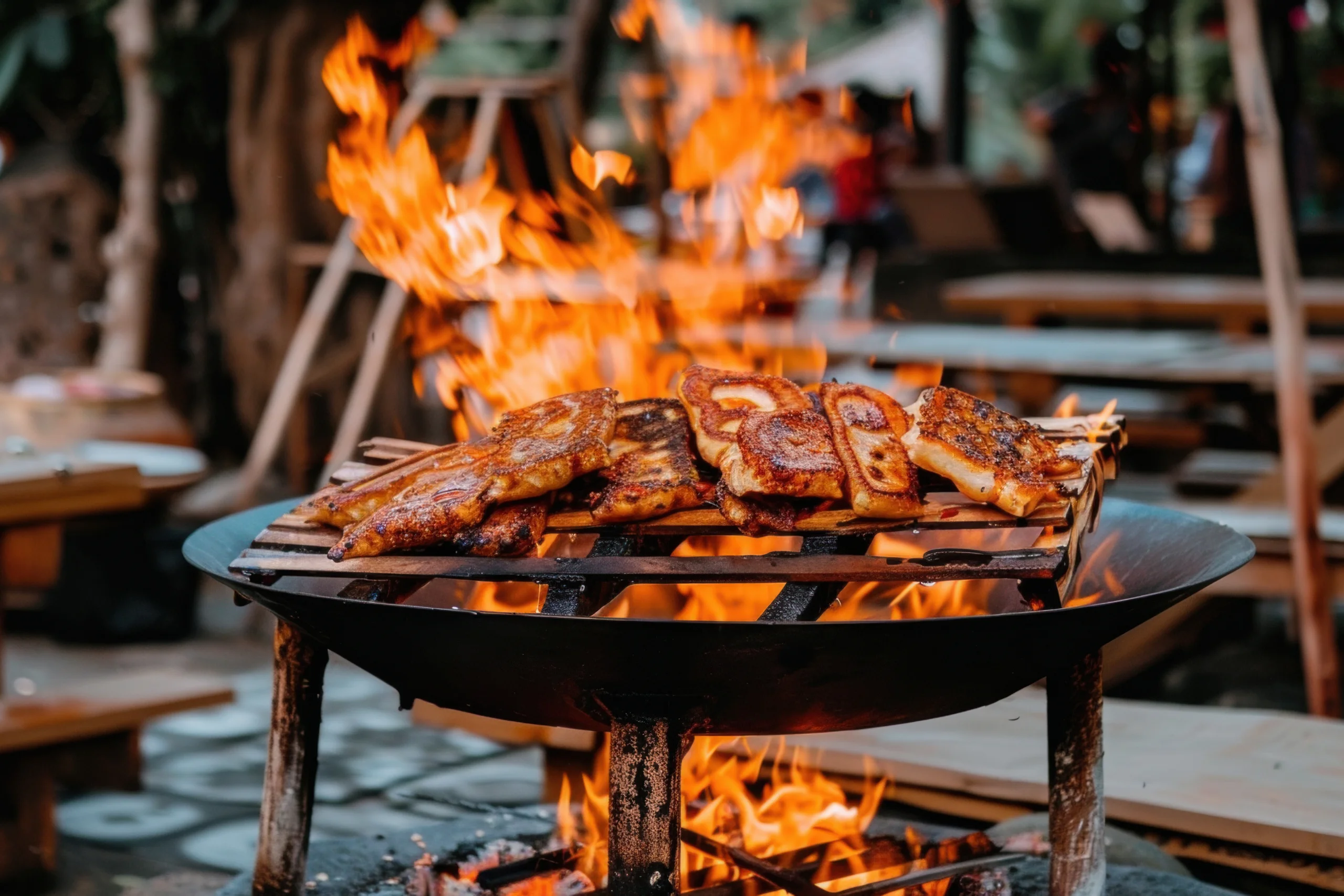
Work Hard to Be a Successful BBQ Business Owner
Starting a BBQ business is not as easy as it sounds. To open a successful restaurant – you must give your business ample patience and attention for it to grow. Restaurants aren’t usually profitable immediately, and it may take months to get out of the red. Additionally, starting any business usually involves a lot of unforeseen hiccups at launch. Be ready to spend up to 7 days a week in the beginning as you work to get everything running smoothly.
That said, once you execute your detailed business plan successfully, owning a BBQ restaurant can be a rewarding financial and social experience – BBQ restaurants are often enjoyed and heralded by their local communities.
FAQs on Starting a BBQ Business
Here are some frequently asked questions on starting a BBQ business:
What are the key factors to consider before opening a BBQ restaurant?
Before opening a BBQ restaurant, it’s crucial to research your target market, competition, and location. Understanding local dining preferences and demand for BBQ cuisine helps determine menu offerings and pricing. Location plays a major role in attracting customers, so choosing a high-traffic area with ample parking and visibility is essential. Additionally, securing high-quality meat suppliers and ingredients ensures consistency in flavor and authenticity. A well-thought-out business plan that outlines startup costs, operating expenses, marketing strategies, and revenue projections is necessary to secure funding. Finally, compliance with health codes, permits, and food safety regulations is critical for a smooth launch and long-term success.
How can I create a unique and appealing BBQ menu?
To create a standout BBQ menu, focus on authenticity, flavor variety, and high-quality ingredients. Start by defining your BBQ style—whether it’s Texas brisket, Carolina pulled pork, Kansas City ribs, or a fusion of flavors. Offering a mix of traditional favorites and signature dishes can attract a broad customer base. House-made rubs, marinades, and sauces add uniqueness and encourage repeat customers. Additionally, including vegetarian or non-meat options, such as smoked tofu or BBQ jackfruit, can cater to a wider audience. Pricing should balance affordability with profitability while ensuring portion sizes and ingredient quality align with customer expectations.
What are the biggest challenges in running a BBQ restaurant?
Running a BBQ restaurant comes with several challenges, including managing food costs, maintaining consistent food quality, and dealing with long cooking times. The cost of high-quality meats and smoking equipment can be high, making pricing strategies essential for maintaining profit margins. Consistency in flavor and cooking techniques requires trained staff and strict recipes. BBQ often involves slow-cooking methods, meaning prep time is longer than in other types of restaurants, making kitchen efficiency crucial. Additionally, health and safety regulations for handling raw meats and smoke ventilation must be strictly followed to avoid violations. Strong financial planning and operational efficiency help overcome these challenges.
How can I effectively market my BBQ restaurant?
Effective marketing for a BBQ restaurant starts with a strong brand identity and local engagement. Creating an enticing website with online ordering options and a well-maintained social media presence can attract customers. Posting high-quality images of your dishes, behind-the-scenes kitchen content, and customer testimonials can boost engagement. Local partnerships with breweries, food festivals, or catering for events can increase brand exposure. Offering promotions, loyalty programs, and discounts for first-time customers encourages repeat business. Word-of-mouth marketing is powerful, so exceptional customer service and inviting ambiance contribute to positive reviews and organic growth through recommendations.
What equipment and tools do I need to start a BBQ restaurant?
A BBQ restaurant requires specialized equipment to handle slow-cooked meats and smoky flavors. The most important tool is a high-quality commercial smoker, which can be wood-fired, electric, or gas-powered, depending on the preferred BBQ style. A commercial grill, prep tables, and meat storage units, including refrigerators and freezers, are essential. Cutting boards, butcher knives, and meat thermometers ensure precise preparation and safety. Additionally, a proper ventilation system is necessary to control smoke and maintain air quality. Dining essentials, such as tables, chairs, and serving trays, complete the setup. Investing in durable, high-capacity equipment improves efficiency and long-term operations.