

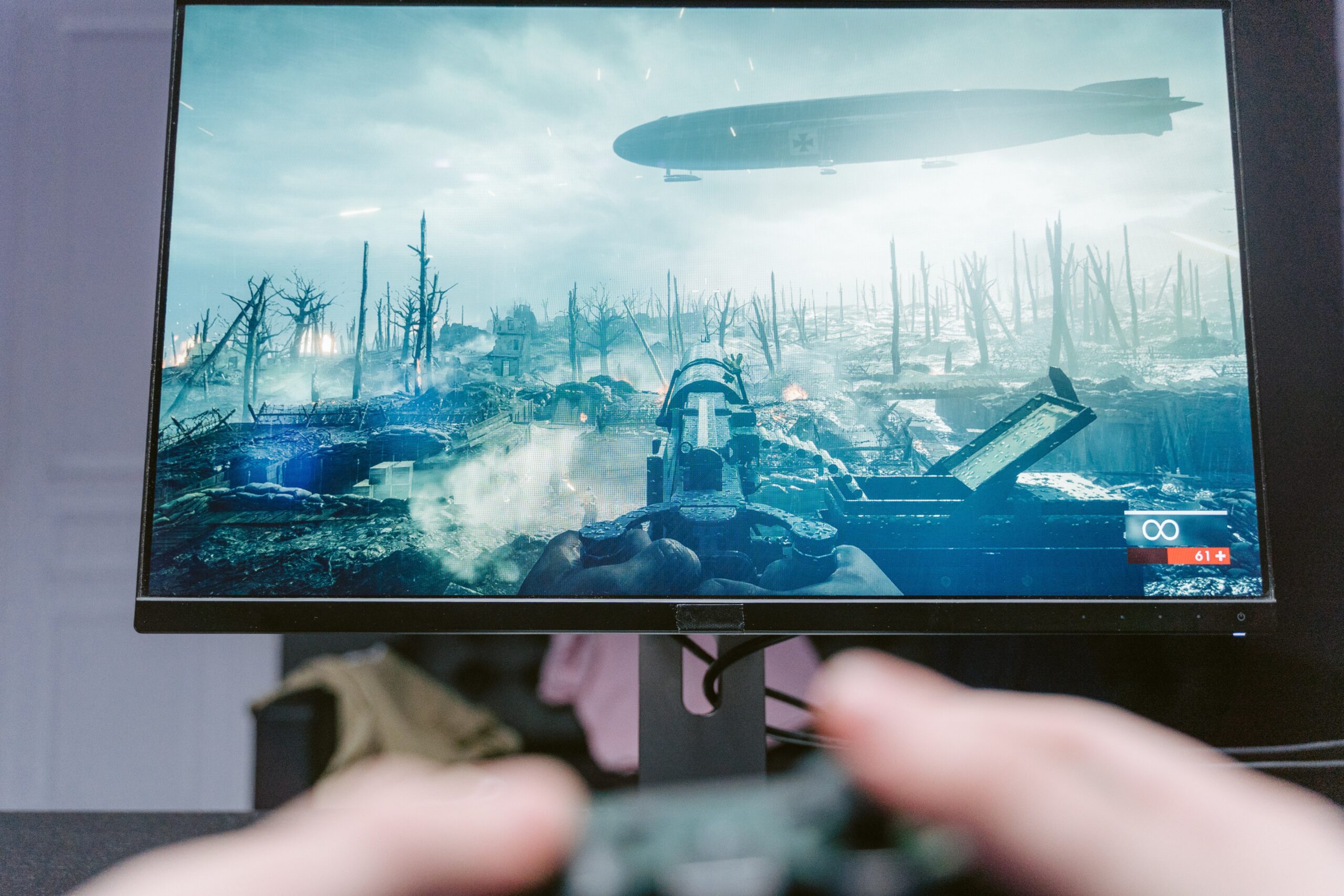
For many, gaming is more than just a hobby; it’s a passion. Whether you love the strategic depth of poker, the adrenaline of esports, or the creative game development process, the gaming industry offers numerous career opportunities.
Transforming your love for games into a sustainable career is possible and increasingly accessible as the industry grows. Here are seven detailed ways to turn your passion for games into a thriving career.
Table of Contents
1. Esports Athlete

Esports has grown into a multi-billion-dollar industry, offering lucrative careers for dedicated gamers. As an esports athlete, you compete in organized, multiplayer video game competitions, individually or as part of a team.
Choosing Your Game
The first step is choosing the right game. Popular esports titles include Dota 2, League of Legends, Counter-Strike: Global Offensive, and Fortnite. Each game has its competitive scene, and it’s crucial to pick one that aligns with your skills and interests.
Training and Skill Development
Training is rigorous, often involving hours of practice daily. Many aspiring esports athletes join training camps or boot camps to refine their skills. It’s essential to study game mechanics and strategies and stay updated with the latest patches and meta changes.
Joining a Team
Joining a professional team can provide the structure and support needed to succeed. Teams offer coaching, financial support, and a sense of community. Competing in tournaments improves your skills and increases your visibility in the esports world.
Streaming and Content Creation
Many esports athletes supplement their income by streaming on Twitch or YouTube. This provides additional revenue, builds a personal brand, and connects with fans.
2. Becoming a Pro Poker Player

Professional poker is one of the most glamorous and challenging paths in the gaming world. Unlike many other games, poker blends skill, strategy, and psychological acumen, making it a unique competitive pursuit.
Mastering the Game
To become a professional poker player, you need to understand the game deeply. This means more than just knowing the rules; it involves mastering various strategies, understanding probability, and learning how to read opponents. Popular variations include Texas Hold’em, Omaha, and Seven-Card Stud, each requiring its strategic approach.
Practice and Experience
Practice is crucial. Poker and casino expert Daniel Smyth advises would-be pros start by playing in tournaments, with many options, including mobile poker sites, to gain experience from anywhere no matter how busy your schedule is. Sites offer a wide range of stakes and formats, allowing you to hone your skills. Analyzing your games, studying hand histories, and learning from mistakes are essential parts of the learning process.
Building a Reputation
Success in poker also depends on building a reputation. Participating in high-stakes tournaments, like the World Series of Poker (WSOP), can put you on the map. Networking within the poker community, both online and offline, on local online or offshore casinos, can lead to sponsorships and invitations to exclusive games.
Diversifying Income
Many pro poker players diversify their income streams by becoming coaches, commentators, or authors. Writing books on poker strategy or providing coaching services can be lucrative and establish you as an authority in the field.
3. Game Developer

If you have a knack for programming and a creative mind, game development might be your ideal career. Game developers design, code, and test video games, turning ideas into playable products.
Learning the Ropes
A strong foundation in computer science or game design is beneficial. Many universities offer specialized degrees in game development. However, many successful developers are self-taught, utilizing resources like online courses and coding bootcamps.
Mastering Game Engines
Proficiency with game engines like Unity or Unreal Engine is crucial. These tools are the backbone of game development, enabling you to create complex games with relative ease. Familiarity with programming languages like C++, Python, or C# is also important.
Building a Portfolio
A portfolio of your work is essential. This can include completed games, prototypes, or mods. Participating in game jams, where developers create games within a short time frame, can be a great way to showcase your skills and creativity.
Networking and Collaboration
Networking within the game development community can lead to job opportunities and collaborations. Attend industry events, join online forums, and connect with other developers to expand your professional network.
4. Game Designer
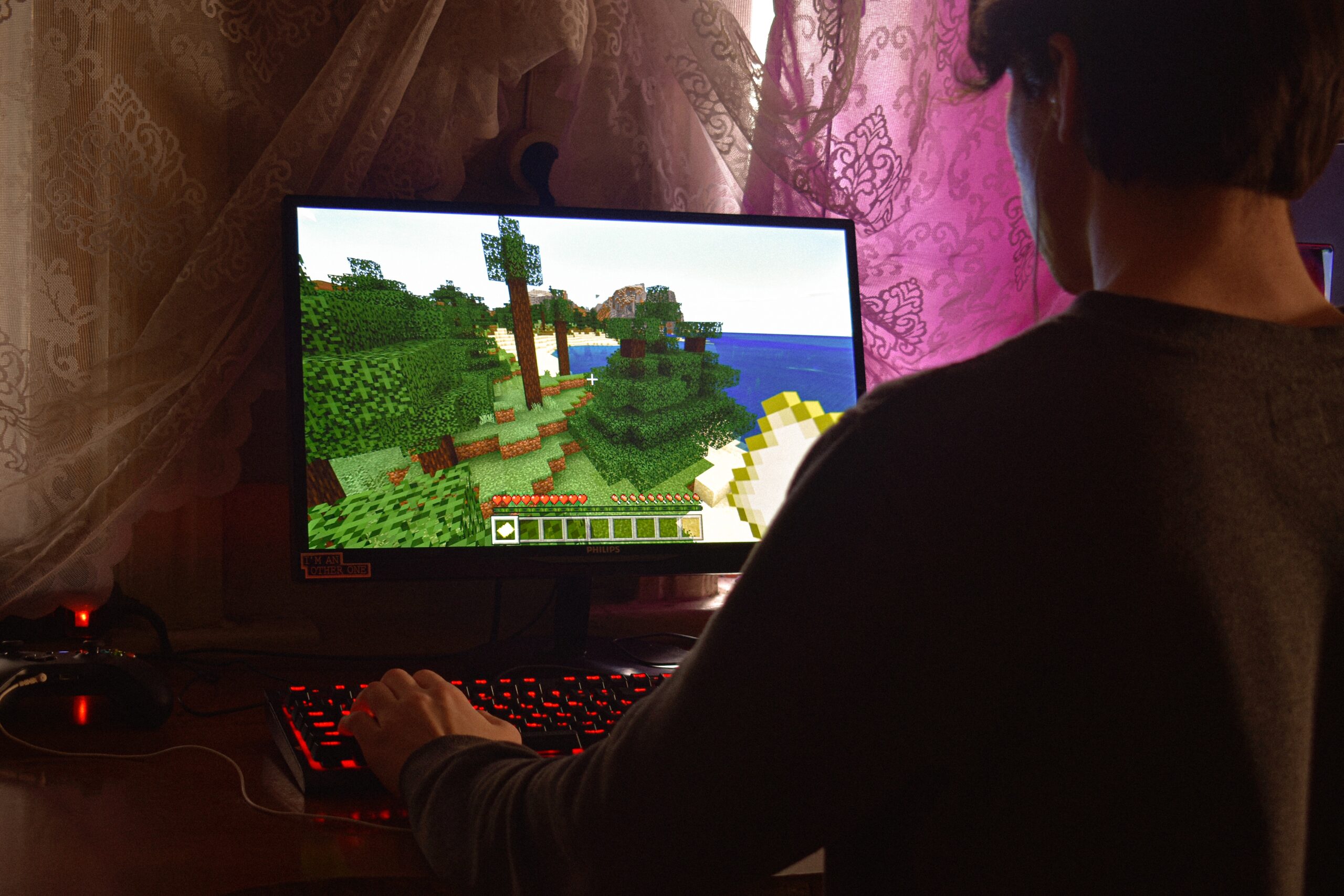
Game designers focus on the creative aspects of game development, crafting the narratives, characters, and gameplay mechanics that make a game engaging and enjoyable.
Creative Vision and Storytelling
A successful game designer needs a strong creative vision and storytelling ability. Understanding what makes a game fun and engaging is crucial. This involves not only coming up with innovative ideas but also knowing how to execute them effectively.
Technical Skills
While game designers aren’t necessarily programmers, understanding the technical aspects of game development is beneficial. This helps them communicate with developers and ensure that their designs are feasible.
Education and Experience
A background in writing, graphic design, or animation can be advantageous. Formal game design or interactive media education can also provide a solid foundation. Building a portfolio with diverse projects showcases your range and creativity.
Collaboration
Game design is a collaborative process. Working closely with developers, artists, and other designers is essential to bring your vision to life. Effective communication and teamwork are key to a successful career in game design.
5. Game Tester

Game testing, or quality assurance (QA), involves playing games to identify bugs and ensure they meet quality standards. While it might sound like a dream job, it requires a keen eye for detail and a methodical approach.
Attention to Detail
Game testers need to meticulously go through every aspect of a game, looking for bugs, glitches, and other issues. This requires patience and a systematic approach to ensure no stone is left unturned.
Clear Communication
Documenting and communicating issues is a crucial part of the job. Testers need to write detailed reports on the bugs they find, often using specific software tools to track issues.
Technical Knowledge
Basic technical knowledge can be beneficial. Understanding how games are built and the common issues that can arise helps testers provide more valuable feedback.
Entry Point into the Industry
Game testing is often an entry-level position, providing a foot in the door to the gaming industry. Many game testers move on to other roles within the industry, such as game design or development, after gaining experience.
6. Streamer or Content Creator

The rise of platforms like Twitch and YouTube has made it possible for gamers to earn a living by streaming their gameplay and creating gaming-related content.
Building an Audience
Success as a streamer or content creator hinges on building a loyal audience. This requires not only being good at the games you play but also being entertaining and engaging. Interacting with your viewers, maintaining a consistent streaming schedule, and offering unique content are crucial strategies.
Monetization
Monetization options include ad revenue, donations, sponsorships, and subscription models. Many platforms offer partnerships or affiliate programs that provide additional revenue streams. Creating merchandise or offering premium content can also enhance your earnings.
High-Quality Production
Investing in high-quality equipment and production values can set you apart from the competition. Good audio and video quality, professional overlays, and engaging graphics make your content more appealing.
Branding and Marketing
Building a personal brand is essential. This involves consistent messaging, a recognizable logo, and a strong social media presence. Collaborating with other creators and participating in community events can help expand your reach.
7. Game Journalist or Critic

If you have a passion for writing and a deep love for games, a career in game journalism or criticism might be the perfect fit. Game journalists write news, reviews, and feature articles about games and the gaming industry.
Writing Skills
Strong writing skills are a must. You need to be able to write concisely and engagingly. This involves not only having a good grasp of grammar and style but also effectively conveying your thoughts and opinions.
Industry Knowledge
A deep understanding of the gaming industry is crucial. This includes staying up-to-date with the latest news, trends, and releases. Building a broad knowledge base of different games and genres enhances your credibility as a critic.
Building a Portfolio
Creating a portfolio of your work is essential. This can include reviews, opinion pieces, and news articles. Starting a blog or contributing to gaming websites can help build your portfolio and gain exposure.
Networking
Networking with industry professionals, attending gaming events, and joining relevant organizations can open doors to job opportunities and collaborations. Building relationships with developers and PR representatives can also lead to exclusive access to games and events.