

In this day and age, business owners and executives must stay on the lookout for warning signs that their company is headed towards financial doom. While startup owners may begin doomsday prepping at first sight of financial trouble, companies that fail within a month are the anomaly, not the average. In most cases, small missteps will begin to push the company closer and closer to a financial point of no return. What starts as a few months of decreased cash flow can quickly turn into having low capital and an inability to pay employees and debtors. As this financial chaos continues to ensue and resources continue to decline, companies inch closer and closer to bankruptcy.
If your business is in severe financial distress, it’s time to consider bankruptcy and how it can help your business get back on track. Because there is an abundance of misconceptions surrounding bankruptcy, companies mistakenly avoid filing for bankruptcy, plunging their businesses deeper into the red.
These misconceptions, i.e., a business owner’s inevitable doom of closing their business or being forced to sell everything when filing for bankruptcy, are not rooted in reality when put in the correct context. If your business is on the verge of closing due to financial distress, declaring bankruptcy is a viable option.
Bouncing back post-bankruptcy
Contrary to popular belief, filing for bankruptcy is not a death sentence for a business owner. When businesses partner with experienced bankruptcy attorneys such as wh Law, they can get their debt under control while keeping their business open.
What is Bankruptcy?
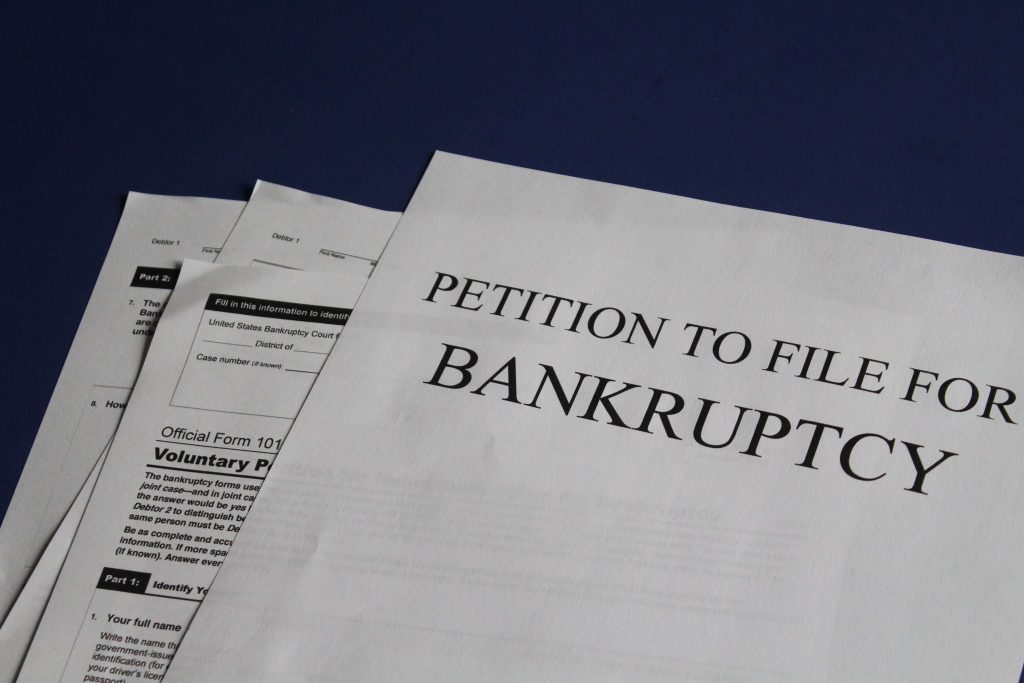
By definition, bankruptcy is simply a legal proceeding involving a business that can’t repay its outstanding debts. The bankruptcy filing process begins when the company in debt files a petition with the court to have all of their assets measured and evaluated. From there, the court devises a plan for the business to pay its debts in a timely fashion.
Bankruptcy is beneficial to both a business and the creditor in need of compensation. How? For one, it grants struggling business owners a second chance by forgiving their debts that can’t be paid off. In exchange, creditors obtain repayment in the form of assets or liquidation.
Bankruptcy Misconceptions
After securing a firm hold on bankruptcy’s definition, it’s time to free yourself from the shackles of pervasive bankruptcy myths. Are you struggling to find a solid starting point? Look no further. Here are three misconceptions that may mislead you on your journey to financial stability.
Filing bankruptcy means losing your business
There are many misconceptions surrounding bankruptcy and how it works. The most popular misconception is that businesses that file for bankruptcy will lose their business and cease all operations. While this is true for companies who file for Chapter 7 bankruptcy, businesses who file for Chapter 11 bankruptcy are eligible to keep operations up and running. Despite popular opinion, filing for Chapter 11 bankruptcy isn’t a one-way ticket to an out-of-business sign.
Filing for bankruptcy hurts your image
The second most common misconception is that filing for bankruptcy ruins your reputation with vendors and customers. While companies you were previously in debt with may choose to no longer do business with you, there’s likely a crowd of vendors who will gladly work with you and supply you with goods, even despite your financial hardships.
As for your customers, famous companies such as Hertz auto rentals have filed for bankruptcy in the past, and they are still operating and taking in new customers every day. So long as you have an excellent product to sell, loyal customers will continue to endorse your product.
Filing for bankruptcy takes months to complete
The third most common misconception is that filing for Chapter 11 bankruptcy is a long, drawn-out process that will take months to complete. Bankruptcy negotiations and court dates don’t have to be a tediously lengthy process, drawn out over several months.
There is a lightning-fast bankruptcy filing known as a pre-pack that can wrap up bankruptcy proceedings in as little as 24 hours. Pre-packs are lightning-fast due to negotiations and agreements made before a court case begins. If you’re filing for Chapter 11 bankruptcy, a pre-pack will speed up the bankruptcy proceedings and get you back to running your business.
Wrap up
Digging your heels in the sand at the expense of your business is a textbook rookie mistake. That said, you’ll need to prioritize your company’s well-being over your lingering bankruptcy fears. Otherwise, prepare to fork over your most prized possession: your business.
