
Cyber Liability Insurance is a policy that covers the costs associated with online loss of data and sensitive information. The costs include fines, notifying the affected customers, investigation, data recovery, and loss of income from a data breach incident. Data loss occurs through cyber security breaches or cyberattacks.
When you’re in business, you need to prepare for the risks associated with technology. Cyberattacks are a regular occurrence, and losses from the attacks are sometimes irreversible. Incidents like these are where having cyber liability insurance can protect you.
Importance of Cyber Liability Insurance
The exposure of any sensitive information can lead to losses and closure of business. A breach in your network can expose personal details and information. A successful cyberattack can leak credit card details, banking information, social security numbers, and private addresses. When this happens, the effects can be disastrous. Cyber liability insurance partners can make policies suitable for your business. This type of insurance protects you in case of the eventuality of a cyberattack.
Things Business Owners Should Know About Cyber Liability Insurance
This article will shed light on this threat and reduce your chances of losses if it happens. Below are five things business owners should know about cyber liability insurance:
1. Assess the Risks
It’s important to assess the risks and the extent of damage in case of a cyber-attack. Your risk level will help you determine your budget allocation for cyber security. Insurance partners like Measured Insurance can help you check your risk level. Thus, you can choose the right cover for your business.
Risk assessment factors start with information stored in your system and online traffic. The group of people who access the network as well is essential. If those who access the network are internal and external users, the risks are even higher. This is because some can use unsecured channels, thus exposing your system.
Point-of-Sale systems also expose your business to the risk of data harvesting. Customers use credit cards and mobile phones for transactions and give sensitive data. Any unauthorized access to this information damages the image of your business and result in losses.
2. Data Breach Targets
Cyberattacks don’t target large companies only; even small businesses are at risk. It’s important to ensure all information in your system is secure. Besides storing data onsite or within the premises, you can also use cloud services. This type of service is where a third-party service provider backs up your information in the cloud. Using cloud services allows you to recover data when a breach occurs on your main storage system. However, cyber liability insurance can also include cloud services in case of breaches.
3. Causes of Data Breach
There are several ways that can cause loss of information in your systems. Cyberattacks, human error, and data hostage or ransomware are three common ones. Online hackers use cyberattacks with the intent to steal sensitive information. They send emails disguised as coming from a legitimate source. As soon as you or your employees open these emails, you’re at risk of data harvesting.
Human errors can give access to company devices or information to unauthorized persons. Errors like these result in internal information going to external sources, which can be damaging.
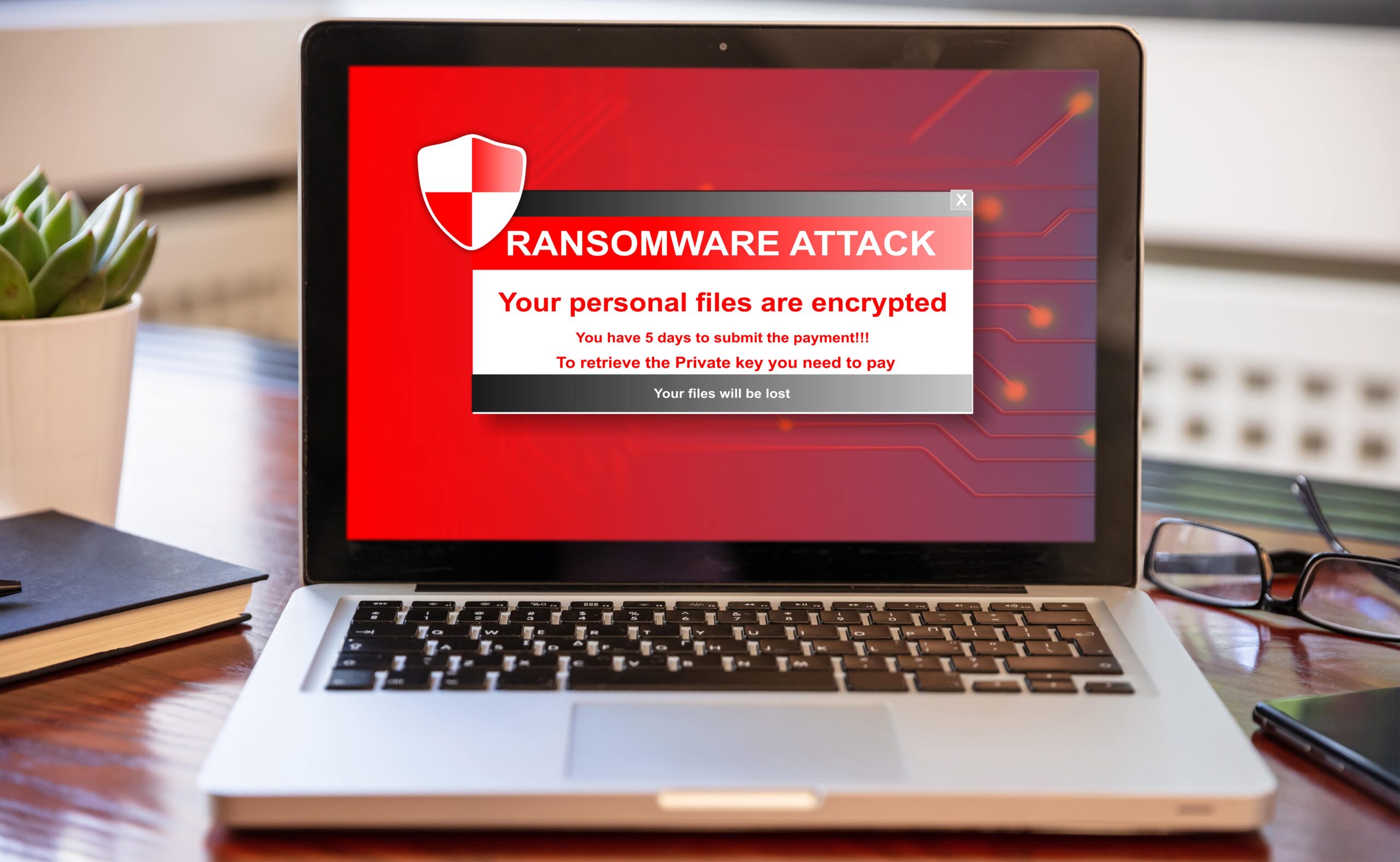
Data hostage is a form of threat that a cyber-criminal can use to extort money from your business. In particular, criminals access data and make them inaccessible until you pay. This form, also known as a ransomware attack, is one of the ways a data breach can occur. With the right cyber insurance, you can mitigate the damages from this threat.
4. Costs
In this case, this isn’t the cost of keeping your information secure but rather the cost of recovering from a data breach. The post-breach payments are the costs you need to look at. These include, among others, data hostage costs, notifying affected customers, and investigation costs. Additionally, you also incur data recovery and downtime costs.
To point out, experiencing a data breach can cost you more than the insurance. Your business runs the risk of closure if you can’t sustain the post-breach costs.
Conclusion
Interactions with your customers and suppliers bring a continuous flow of information. As the business owner, it’s your responsibility to ensure that personal data is safe. Taking the right course of action means assessing the factors mentioned. These factors are risks, costs of a data security breach, susceptibility to a cyberattack, and causes of data breaches.
Cyberattacks can occur, and cyber liability insurance can save your business from failing. You only need to consult the right partner who can customize policies as per the needs of your business. The benefits of insurance against cyberattacks outweigh the cost of the insurance policy.