
Self-employment can open numerous doors for your financial future, including the freedom to define your own income. Finally, you can work for your own profits and set your working conditions.
But, there are some risks to self-employment, too – and it is important to protect yourself against the risks of self-reliance.
Take out the right insurance.

When you are your own boss, your income journey can feel like a rollercoaster ride. When times are good, you’ll feel on top of the world. But, if leads dry up or you suffer an injury, you don’t benefit from the usual sick pay and redundancy packages.
All self-employed people should plan ahead to combat this. As soon as you go solo, take out a personal insurance and an income protection policy. You should also make regular savings a priority, creating a large emergency buffer to guard you in the event of extended sickness, injury or loss of income.
Plan for Later Life

Self-employed people often find it difficult to save for retirement. With no ready-made company pension package or employer contributions, all the admin and financing is down to you.
But, if you’d like to enjoy a financially secure retirement, it is worth taking the time to plan ahead. Investing in several retirement funds is a good idea – for instance, by combining a private annuity with savings and investments. It is also worth knowing how much state pension you will receive, and planning around this.
It is also worth considering how you will protect your assets at the end of life, including optimizing the inheritance you can leave loved ones.
If you own significant property or business shares, this can complicate the inheritance process. Your family may accrue probate fees – so make sure you account for this and organize your assets best.
Manage your Debts

While interest rates are low, seeing a return on investments can be slow progress. With this in mind, focusing on paying off personal and business loans may be a good idea. Review your borrowing to ensure you are using credit sustainably, and only invest when you have this in order.
Since the Bank of England predicts a 20-year continuation of low rates, investments cannot be delayed forever. Use the best beginner investment platforms to get started with the world of trading funds. Though all investment comes with some risk, having business interests in multiple pots can be a good way to secure your savings as they grow.
Make good use of your ISA allowance

If your income fluctuates, you will need a combination of flexible and high-interest savings accounts. The individual ISA limit is £20,000 in 2018/19, and you can split this in a number of ways.
Cash ISAs tend to favor easier access – so if you need the money, you can gain access with relatively little notice or cost. You can also invest in stocks and shares ISAs or the new Lifetime ISA – but note that these are longer-term income protection solutions, and less suitable for covering drier periods in the near future.
Review your tax plan regularly
One of the most significant challenges of being self-employed is filing your own tax return. More specifically, it is important to always ensure you have put away enough money to cover your tax bill.
Use a budgeting tool to ensure you aren’t hit with a nasty surprise next April.
Understand Capital Gains allowance

If you have investments, it is worth considering whether there could be capital gains to be made. If you need an income supplement in the future, assets act as a safety net since they can be sold for a profit in tougher times.
To minimize your tax liabilities, try to manage asset sales within the Annual Exempt Amount (AEA). In the current tax year, this limit is £5,850 for most individuals.
Spread your finances
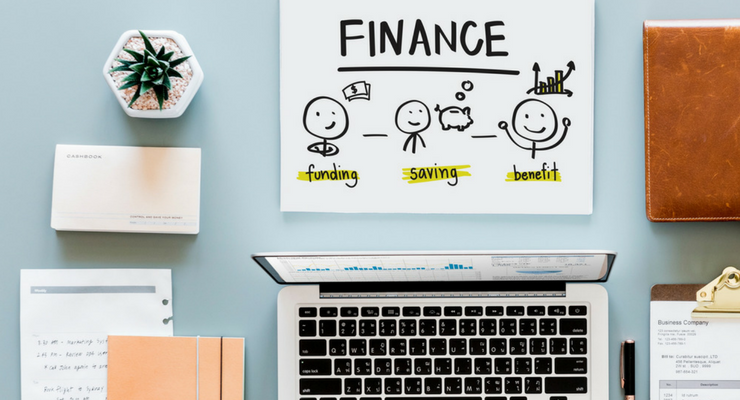
Investing your money in several pots is the best way to secure happy and healthy self-employment. Take some time to explore multiple routes of income protection, and you can focus on reaping all the rewards of independent working. You can visit this guide to Managing your Finances as a Freelancer.
Frequently Asked Questions:
Why is it important to separate personal and business finances when self-employed?
Separating personal and business finances is crucial for several reasons. It simplifies bookkeeping and tax preparation, ensuring that you accurately track business expenses and income. This separation also protects your personal assets in case of legal issues or debts related to your business. Furthermore, having distinct accounts can help you build business credit, essential for securing loans and favorable terms from suppliers. Additionally, it provides a clear picture of your business’s financial health, enabling better decision-making and financial planning. Maintaining separate accounts demonstrates professionalism and can enhance your credibility with clients and investors.
What strategies can self-employed individuals use to manage irregular income?
Managing irregular income requires strategic planning and discipline. One effective approach is to create a budget that accounts for fluctuating earnings, focusing on essential expenses and setting aside savings during high-income periods. Building an emergency fund is also vital; aim to save at least three to six months of living expenses. Consider setting up multiple bank accounts: one for business income, one for personal expenses, and one for savings. Additionally, regularly track and forecast your income and expenses to anticipate low-income periods. Finally, diversify your income streams to reduce dependency on a single source of revenue, ensuring more stability.
How can self-employed individuals prepare for tax season?
Preparation for tax season involves several key steps. First, maintain accurate and up-to-date records of all business transactions, including income and expenses. Utilize accounting software to simplify this process. Keep all receipts and documentation for deductible expenses, such as home office costs, travel, and supplies. Consider making quarterly estimated tax payments to avoid a large tax bill at the end of the year. It’s also wise to consult with a tax professional who can provide advice tailored to your situation and help identify potential deductions and credits. Finally, set aside a portion of your monthly income specifically for taxes to ensure you are financially prepared.
What are the benefits of investing in retirement plans for self-employed individuals?
Investing in retirement plans is crucial for self-employed individuals as it ensures financial security in the future. Plans such as a Solo 401(k), SEP IRA, or SIMPLE IRA offer significant tax advantages, including tax-deferred growth and deductible contributions, which can reduce your taxable income. These plans also provide higher contribution limits than traditional IRAs, allowing you to save more effectively. Additionally, having a retirement plan can offer peace of mind, knowing that you are preparing for a stable financial future. Regularly contributing to a retirement plan can also instill financial discipline and long-term planning habits, which are essential for sustaining a successful self-employment journey.
How can self-employed individuals protect themselves against financial emergencies?
Protecting against financial emergencies involves several proactive steps. First, build and maintain an emergency fund that covers at least three to six months of living expenses. This fund is a financial cushion during periods of low income or unexpected expenses. Consider obtaining insurance, such as health, disability, and liability insurance, to safeguard against unforeseen medical costs and legal issues. Diversify your income streams to reduce reliance on a single source of income, providing more stability. Additionally, create a financial plan that includes budgeting, saving, and regular financial reviews to identify potential risks and opportunities for improvement. Staying financially disciplined and prepared ensures resilience in the face of emergencies.
