

Key Takeaways
- Visual content improves SEO by increasing user engagement, reducing bounce rates, and improving dwell time—signals Google uses to rank content.
- Image optimization is essential, including descriptive filenames, keyword-rich alt text, and compression for faster page loading.
- Metadata matters: Title tags, captions, and descriptions give search engines more context and improve accessibility.
- Videos boost visibility when optimized with transcripts and hosted on platforms like YouTube.
- Infographics and shareable visuals help earn backlinks and drive traffic from social platforms.
- Faster-loading visuals improve UX, which correlates directly with better search engine rankings.
- Accessibility through alt text benefits SEO and ensures inclusive experiences for all users.
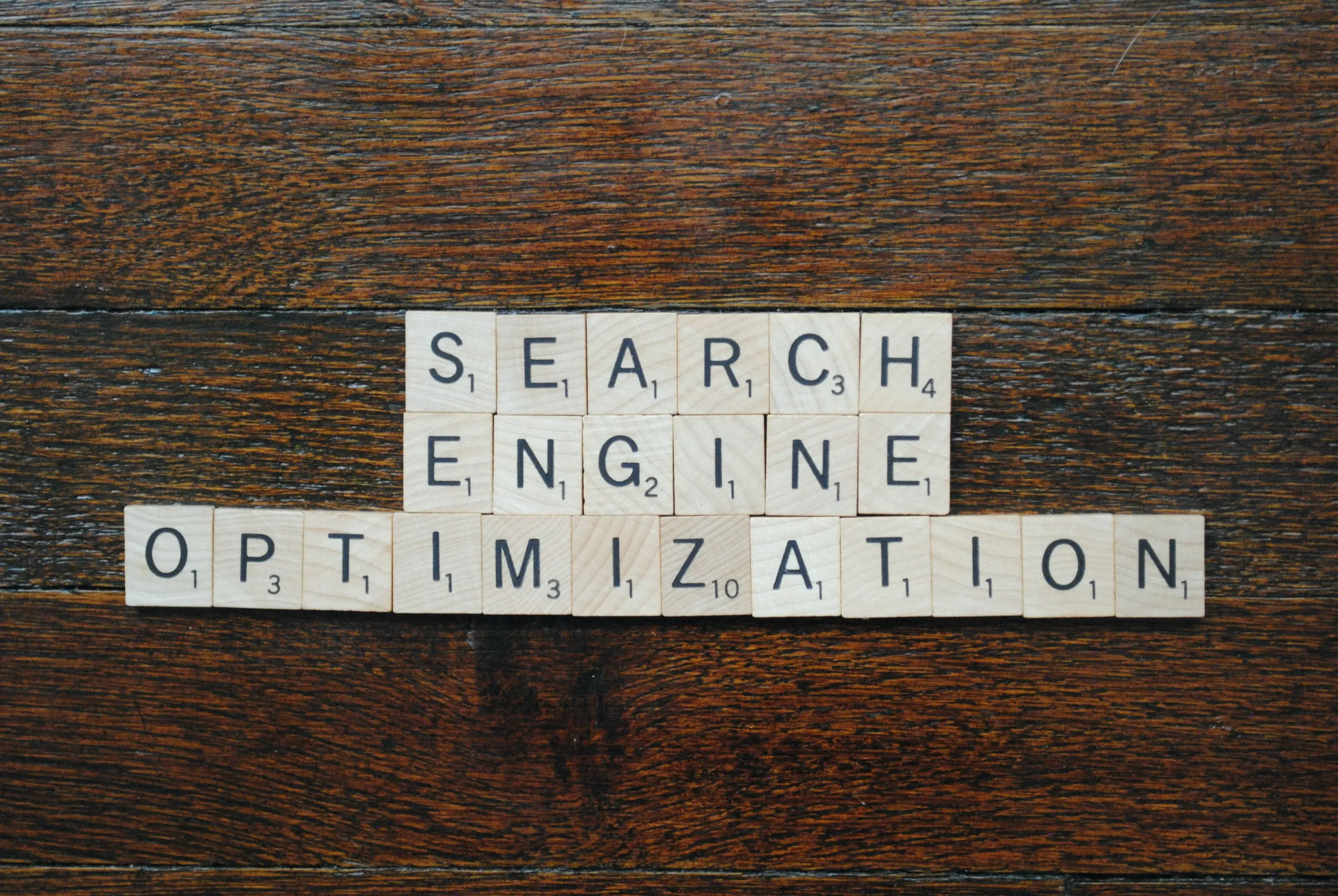
In today’s digital world, content is king, but visuals have become the crown jewel. People naturally gravitate toward images and videos when they scroll through websites, social media feeds, or blog posts. As a result, visuals have become crucial not only for user engagement but also for search engine optimization (SEO). If you’re looking to make your website more visible and increase traffic, integrating well-optimized visual content is a must.
This guide will break down how visuals impact SEO, offering simple, practical tips you can use to boost your site’s performance and rankings.
Table of Contents
Why Visual Content is Crucial for SEO
Visual content plays a huge role in how people interact with your site. If you want your audience to stay engaged, incorporating images, videos, or infographics can make a significant difference. Search engines, such as Google, notice this engagement and consider it an indicator of quality content.
Using high-quality visuals, including stock photos, can make your articles more attractive and digestible. For example, if you need a quick and professional visual, you can easily buy stock images from reliable platforms to complement your blog posts or web pages. Stock images provide a fast and cost-effective way to add visual appeal, helping you maintain a polished and professional look across all your content.
Visuals can also reduce bounce rates, as they encourage visitors to stay on your page longer. This extended time on your website signals to search engines that your content is valuable, which can improve your ranking in search results.
Search engines like Google are constantly evolving, and they’re looking for content that provides a good user experience. Visuals contribute to that experience by breaking up blocks of text, making your site more engaging and easier to read. Therefore, adding visuals doesn’t just beautify your pages, but it also creates a more interactive experience for your visitors, improving your SEO performance.

Optimizing Images for SEO
It’s not enough to simply add images to your website; they need to be optimized for search engines. Optimized images can help improve page load times, make your site more accessible, and give search engines context for what’s on your page.
Start by using descriptive filenames for your images. Rather than uploading an image called “IMG_1234,” rename it to something relevant, like “healthy-meal-prep-ideas.jpg.” Search engines can read these filenames, so it’s important they are descriptive and align with the content of your post.
Another crucial aspect of image optimization is alt text. This is the text that appears in place of an image if it fails to load, and it’s also used by screen readers for visually impaired users. From an SEO standpoint, alt text helps search engines understand what an image is about. Make sure your alt text is descriptive but not stuffed with keywords.
Large image files can slow down your website, which negatively impacts SEO. To ensure your site loads quickly, compress images without sacrificing quality. You can use tools like TinyPNG or Compressor.io to reduce image sizes, making it easier for your website to load without a noticeable difference in quality.
Page speed is an important ranking factor, so optimizing your images for faster load times will improve both user experience and your search engine ranking. SEO experts, like a Sacramento SEO agency at The Ad Firm, can help big time in making sure you have the right page speed.
Using Image Metadata to Boost SEO
Image metadata, including titles, captions, and descriptions, provides additional context that can be useful for both users and search engines. The title tag of an image is like the headline of a news article—it gives an immediate understanding of what the image represents.
Ensure that the title tags of your images are relevant and keyword-rich without being spammy. For instance, if you’re writing about a new fitness routine, a title like “Morning Yoga Stretch Routine” will help search engines associate the image with that content.
Captions are one of the most-read parts of a webpage. People tend to scan through content, and captions often stand out. Make sure your captions complement the text and offer additional insight into the visual content. While captions aren’t a direct ranking factor, they improve user engagement, which can indirectly influence your SEO.
Descriptions are another way to enhance the visibility of your images. These provide more detailed information about the image, giving both users and search engines additional context. Descriptive metadata, when used correctly, can help search engines index your images, improving their chances of appearing in image search results.

How Visuals Affect User Engagement and SEO Metrics
Visual content not only makes your website look better but also boosts engagement metrics, which play a critical role in SEO. Images, infographics, and videos capture attention and encourage users to spend more time on your site.
When visitors spend more time on a page, search engines interpret that as a positive signal. This increased dwell time tells search engines that your content is valuable and engaging. As a result, you’re likely to see improvements in your rankings.
Additionally, visuals are highly shareable. Social sharing buttons make it easy for users to share your content on platforms like Facebook, Instagram, or Pinterest. When your content gets shared, it increases the likelihood of gaining backlinks—an important factor in SEO. More backlinks from reputable sources will increase your website’s authority, further improving your ranking.
Improving user engagement through visuals also reduces bounce rates, which is another factor search engines consider. A low bounce rate suggests that users find your content relevant, and it can boost your SEO as a result.
Best Practices for Video SEO
Video content is becoming increasingly important for SEO. It’s not just about embedding a video into a page; it’s about optimizing that video for search engines. Videos can drive more traffic to your site, improve user engagement, and help you rank higher in search results.
One of the most effective ways to use video content is by uploading it to platforms like YouTube, which is the second largest search engine after Google. Embedding YouTube videos on your website increases your chances of being found by people searching for related content.
To enhance video SEO, make sure you provide transcripts of the video content. Transcripts help search engines understand what the video is about, making it more likely to appear in search results.
Visual content is a game-changer when it comes to SEO. Whether it’s images, videos, or infographics, well-optimized visuals can boost user engagement, increase dwell time, and improve your chances of ranking higher in search results.
By implementing the strategies in this guide, you can create a more engaging and search-friendly website that attracts both users and search engines alike.
Frequently Asked Questions
Why is alt text important for SEO and accessibility?
Alt text serves two primary functions: it improves accessibility for visually impaired users and helps search engines understand the content of your images. When screen readers encounter an image, they read the alt text aloud, enabling users with visual impairments to grasp the context. From an SEO standpoint, alt text provides additional keyword relevance, increasing the chances of your image showing up in image search results. It also acts as fallback content if the image fails to load. Avoid stuffing keywords; instead, write natural, descriptive alt text that accurately describes the visual. This small step significantly enhances SEO and inclusivity.
How do visuals affect dwell time and bounce rate?
Visuals play a crucial role in keeping visitors engaged on your website. When your content includes compelling images, infographics, or videos, users are more likely to stay longer, interact with the content, and scroll through the page. This increased dwell time tells search engines that your content is valuable and relevant. Conversely, a lack of visuals can cause users to quickly exit a page, increasing your bounce rate, which negatively impacts SEO. The right visuals—placed strategically—make content easier to digest, guide the reader’s attention, and contribute to a more immersive experience that encourages longer site visits.
What are the best tools to optimize image size without losing quality?
Several online tools can help you compress and optimize images without compromising visual quality. Some of the most popular ones include TinyPNG, Compressor.io, ImageOptim, and Squoosh by Google. These tools reduce file size, which helps your web pages load faster—an important ranking factor for SEO. When you compress an image, aim to keep it under 100KB if possible, especially for hero images and banners. Additionally, consider converting images to modern formats like WebP, which offer excellent quality at smaller sizes. By optimizing your visuals, you not only improve SEO but also enhance the user experience across all devices.
How can video content improve my website’s search rankings?
Video content can significantly enhance your SEO by improving user engagement, boosting dwell time, and increasing shareability. When videos are embedded in blog posts or landing pages, users tend to stay longer, which signals content value to search engines. Platforms like YouTube (owned by Google) provide additional exposure, and when properly optimized—using titles, descriptions, tags, and transcripts—videos can show up in both web and video search results. Including video transcripts also increases keyword relevance, allowing Google to index spoken content. Furthermore, video thumbnails improve click-through rates on search engine results pages (SERPs), driving more organic traffic.
How do captions and metadata help with SEO?
While captions may not directly influence SEO rankings, they increase user interaction, which indirectly boosts SEO metrics like dwell time. People naturally scan pages, and captions often get more attention than body text. Metadata—including image titles, alt text, and descriptions—helps search engines understand what the visual content represents. This extra layer of context allows Google to better index your images for Google Images and improves your site’s overall relevance for specific search queries. When metadata includes keywords aligned with your content, it reinforces your page’s topical authority, making it more likely to rank higher in SERPs.