

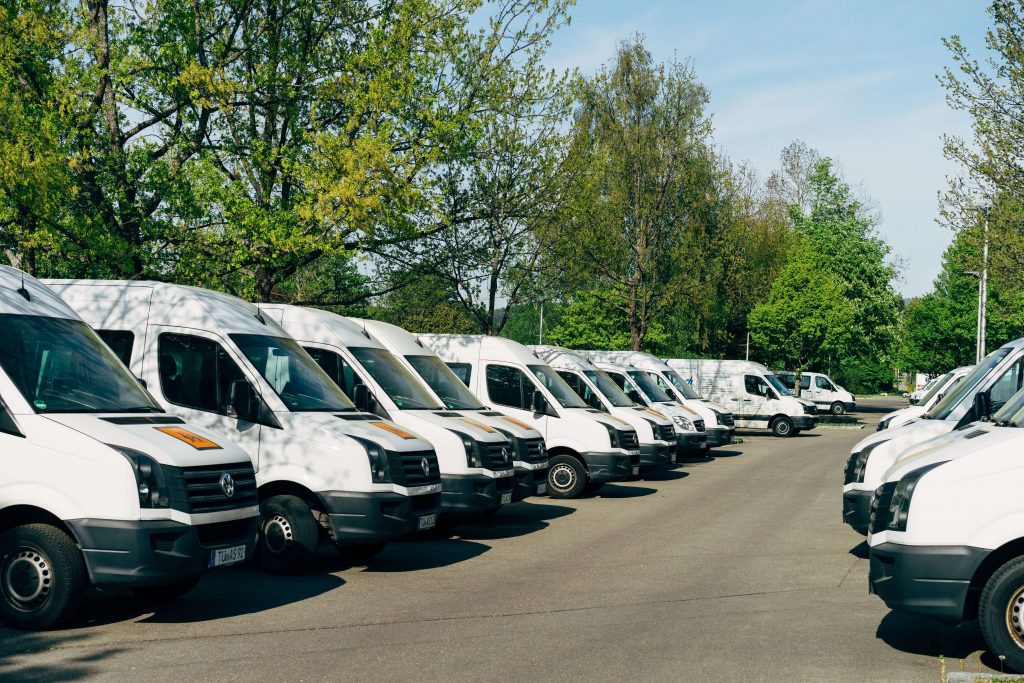
As a business owner or manager, you should feel a sense of obligation to make wise investments in business assets. If your company provides business vehicles for employees to use as part of their workplace benefits, those vehicles are valuable assets. These high-ticket investments will require regular maintenance and the right fuel to operate at maximum efficiency. Because these oil changes and inspections will hoard a significant amount of time, labor, and financial resources, you’ll need to establish a system for managing your fleet as effectively as possible.
If the company is providing business vehicles, higher-ups and company execs have arrived at that decision for a specific reason. In most cases, there’s a good chance your business’s success is somehow tied to having working vehicles on the road. For example, purchasing company vehicles for employee use grants CEOs the ability to maintain a company image characterized by prestige.
In the interest of keeping your company vehicles in tip-top working order, we suggest you consider the following six tips.
Ship vehicles to remote locations when possible
Depending on your business’ needs, there may be several instances when you’ll need to relocate the company vehicle to a remote area. If so, there are two options from which you can choose. First, you can pay someone to drive the cars to their destinations The problem is that this option puts unnecessary mileage and wear-and-tear on the vehicle, diminishing the car’s value. While convenient, it’s not a great way to protect your investment.
The other option is to have the vehicles shipped to the other destination using Car Shipping Carriers. With this option, you can rest assured that the cars will arrive in pristine condition, as the shipping company will likely sign an agreement promising to protect your vehicle from roadside hazards whenever possible.
By hiring a shipping company, your company car(s) will be ready for your employees to use as soon as they arrive. You can save the company money by shipping a whole fleet through a reliable shipping provider like Guardian Auto Transport.
Closely monitor mileage
The number of miles employees put on your business vehicles matters for a couple of reasons. First, there may be rules in place that require your business to take a vehicle out of service when they’ve reached or exceeded a certain mileage threshold. In most cases, these rules exist for safety purposes.
Secondly, a business is entitled to a tax write-off for business-related auto expenses. Writing off auto expenses based on how many miles vehicles accumulate during a tax year is a popular write-off method.
Keep receipts related to gas and maintenance
To reiterate, writing off vehicle expenses based on mileage is an option. However, there’s another option that may prove to be more financially beneficial. If your employees have the discipline to keep all vehicle-related receipts for gas and maintenance, the IRS will let the business write those amounts off on the business’ tax return. Of the two options, you can choose the one that benefits the company the most.
To improve your team’s financial management.skills, encourage them to collect and store physical copies of these receipts. To ensure these receipts aren’t discarded or stuffed into drawers, offer an incentive that will motivate your employees to prioritize the company’s financial well-being.
Keep the vehicles clean
When company vehicles are on the road, they represent the company. If the cars are dirty and damaged, it’s something that could affect the company’s reputation. There’s no excuse for not washing and waxing business vehicles regularly. If outsourcing is necessary, so be it. If the cars are well cared for inside and out, they tend to last longer and drive better.
Perform regular maintenance
With your family vehicle, you might feel that abiding by the manufacturer’s recommended maintenance schedule is unnecessary, which is up to your discretion and, ultimately, a personal decision. When a business’s success depends on vehicles running at maximum efficiency, it’s a good idea to make sure those vehicles undergo regular maintenance checkups.
By investing in routine maintenance, you can prevent small, inexpensive issues from turning into major, expensive issues. A manufacturer’s recommended maintenance schedule exists for a reason, so follow it accordingly.
Maintain proper insurance coverage
Liability should always be one of your primary concerns. If your business is running a fleet of vehicles, there’s an inherent risk that comes into play every time a car hits the road.
Remember, one big lawsuit without proper insurance coverage could result in the loss of the entire business. As a secondary bonus, a high-quality insurance policy will include comprehensive coverage. The company can use that’s money to repair damages and prevent said damage from devolving into a costly mechanical issue.
Final thoughts
As a rule of thumb, you’ll want to treat your business fleet as a precious asset. If you do right by the vehicles, they will do right by the company.