

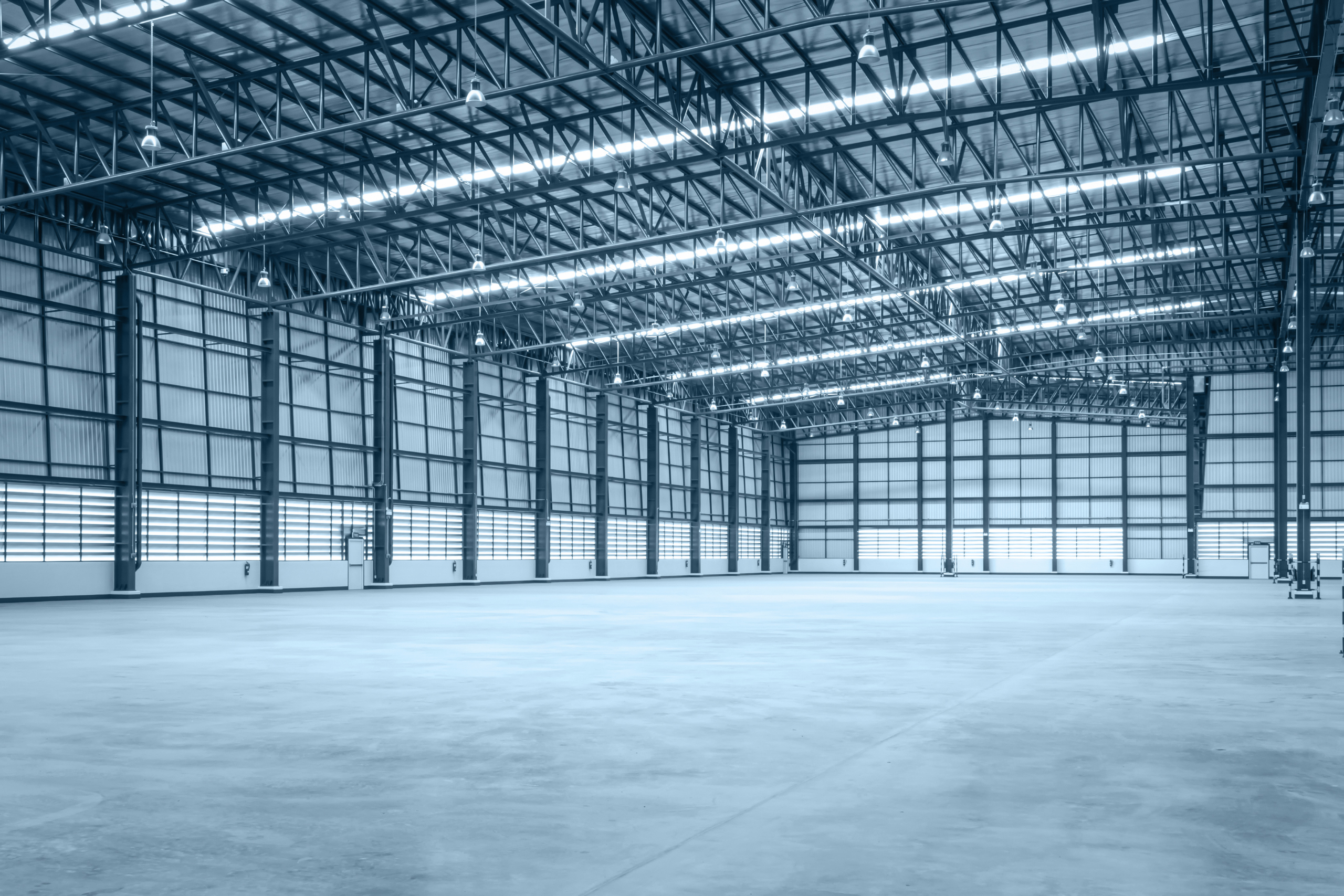
Every successful company requires a warehouse to store and distribute products. However, when it comes to the design process, it’s more complex than you think.
Designing a warehouse isn’t just about big spaces; it’s a complex jigsaw where every piece must fit perfectly. Think of it as a puzzle where efficiency, safety, and productivity are the corner pieces. Rather than aesthetics, the focus is often on the facility’s functionality. It takes careful planning and execution to create a space that meets your exact needs.
Interested in learning more? Below, we are going to take a look at five factors to consider when designing a warehouse.
Table of Contents
Lighting and Power
Warehouse lighting and power are essential for employees to work efficiently and safely, but they’re often overlooked in design. Lighting should be bright and evenly distributed throughout all areas to reduce accidents and increase productivity.
As with any electricity, be sure to hire the right professionals for the job, such as the team at Wells Electricals. They specialize in commercial and industrial services and will ensure that everything meets the necessary standards.
Warehouse Storage
The main purpose of a warehouse is to store goods, so having adequate space for your inventory is incredibly important. Space is gold in the warehouse industry. But it’s not just about how much space you have; it’s how you use it. You need to figure out how each item will be categorized and organized.
Shelving, pallet racking, and lockers are some of the most common options. Choose the right inventory storage system by selecting storage solutions that optimize picking, packing, and shipping processes. Of course, you need to check that they will bear the weight of your products. Balancing adequate storage space with an efficient workflow is essential to maximize operational efficiency.
By designing with maximum storage capacity, you can reduce costs in the future as you grow and expand. You’ll also be able to store more stock, improving overall sales.

Layout and Flow
The layout and flow are another factor to consider when designing an efficient warehouse. Consider spatial planning and traffic flow plans in the design to ensure smooth movement within the warehouse.
Efficient layout planning in warehouse design is crucial for optimizing operations. The floor plan should accommodate the movement of products, employees, and equipment. Develop a comprehensive map of the warehouse, detailing storage areas, aisles, loading docks, and other critical spaces for effective spatial planning.
A key factor is to ensure accessibility and easy access to goods and equipment, with clear paths for movement and minimal obstructions. Workers must have a space to walk, machinery should be able to move freely, and shelving should be laid out in a way that is easily accessible. Design the layout to streamline the picking process, reducing travel time and increasing efficiency in retrieving items. This will speed up deliveries and decrease the chance of injuries.
Climate Control
Poorly built warehouses can be hot, dusty, and uncomfortable to work in. Proper ventilation, air conditioning, and humidity control are crucial and will help maintain temperatures.
You’ll want to choose systems that are energy-efficient and easy to maintain. Trust us when we say that your employees will be extremely thankful during the hot summers and cold winters.
Safety Measures
Just like in any work environment with different hazards, safety should be one of your top priorities. When designing a warehouse, prioritizing safety and security is paramount.

Addressing the risks associated with forklift operations, docks, and conveyor systems is essential. These areas are often hotspots for accidents and require specific safety measures, such as clear signage and designated walkways, to ensure the safety of both machinery operators and pedestrians.
Additionally, attention must be given to storing materials, especially hazardous chemicals. Proper labeling and storage protocols must be in place to minimize the risk of spills or accidents. Charging stations for equipment like forklifts also need careful consideration to prevent electrical hazards.
Implementing fire safety measures, as suggested by OSHA, is crucial. This includes prohibiting smoking and open flames in risk areas and maintaining an adequate inventory of fire extinguishers and other firefighting equipment. The physical security of the warehouse is equally important. Measures to deter theft and unauthorized access should include robust security systems and surveillance. Overall, warehouse design should incorporate these safety and security aspects seamlessly into its layout and operational protocols to create a safe and secure working environment.
Be sure to implement the right features, including:
- Fire extinguishers.
- Sprinkler systems.
- Emergency exit signs.
- Safety barriers.
- Security and surveillance systems.
It’s also crucial that your employees complete the necessary training. They may need to obtain certain licenses when operating different machinery or equipment.
Final Words
Designing a warehouse is a complex process, so it’s best not to rush things. Take your time and double-check that you have considered all the factors above, adding the warehouse automation requirements to the mix.
Remember, a well-designed space can contribute to the smooth functioning of your business. It should be suitable for the many years to come!