

Creating a small business data backup plan is essential today as data breaches increase. However, apart from a data breach, companies can also lose their data due to other incidents, such as human error, hardware failure, and natural disasters.
If a company doesn’t take any approach to prevent data loss, it can face several unfavorable circumstances. For instance, losing business data can lead to fines and penalties, damaged brand reputation, and reduced customer and sales. Worse, they might also leave business within six months after a significant data loss or cyberattack.
Table of Contents
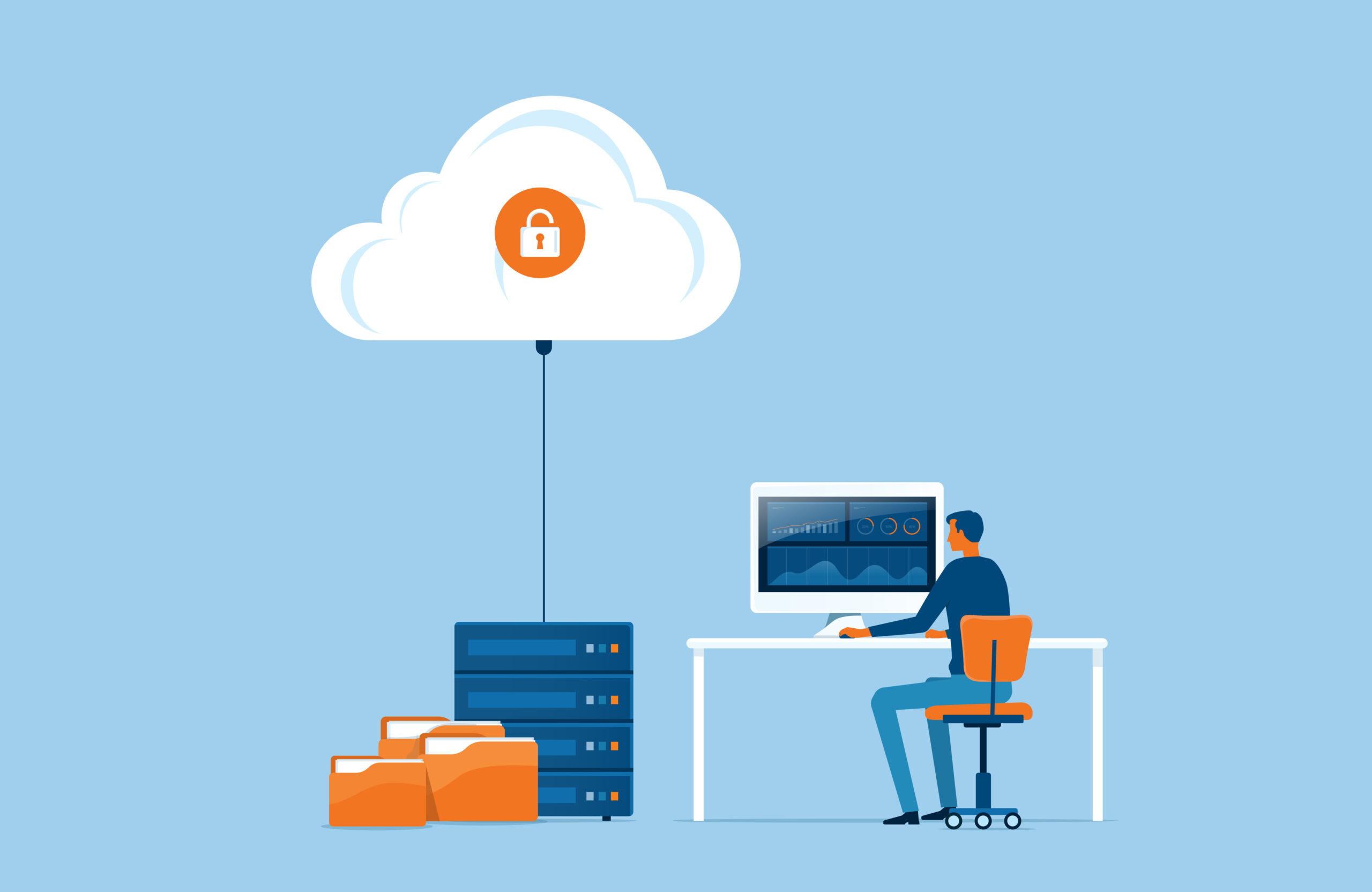
To avoid such unfortunate incidents, some small businesses in Canada hire IT consultants to secure their data against security risks and ensure instant data recovery in case of an emergency. So, if you own a small business and are looking for a reliable IT consulting company, click here for IT consulting services in Toronto.
Furthermore, to develop a data backup strategy, read the critical points below to learn about the crucial elements to include in your small business data backup plan.
1. Onsite Backup
Onsite backup, or on-premise backup, is copying hardware data to a local storage device on business premises. These local storage devices, including flash drives, solid-state drives (SSDs), hard disc drives (HDDs), and CDs, allow companies to back up their data locally for quick access. Onsite backup solutions are fast, secure, and efficient. Hence, companies that need speedy and regular backup and recovery prefer onsite backup.
Another advantage of an on-site backup is that you don’t need to connect to the Internet to access your business data. Even if your business relies on internet access for its day-to-day operations, having an on-site backup eliminates the risk of data corruption caused by internet outages. Moreover, since your data in an on-site backup remains secure behind firewalls, it’s less likely you’ll experience cyberattacks.
However, this doesn’t mean your data is invulnerable to cyberattacks; it’s still vulnerable to data breaches perpetrated by data thieves. The good thing is that if you’re operating your business in Illinois, you can consider hiring data backup services like IT consulting in Chicago to add another layer of protection against data loss and leaks.
2. Offsite Backup
Offsite data backup is backing up a company’s operating system and critical data from the primary server and storing them in a different location. There are several ways to implement an offsite data backup, and one of those methods is using software to sync critical data for backup. Besides that, other offsite backup solutions enable businesses to back up their data incrementally by saving only the recent changes to their file system.
Furthermore, businesses implement offsite backups because they help them protect their data in incidents like natural disasters. Suppose a flood, hurricane, or fire destroys your primary server’s premises; it’ll be easy to recover your business data with an offsite backup stored in a different, easy-to-access location.
Conducting offsite business data backup can protect your business’s sensitive information from an on-site disaster and help mitigate the consequences of hard drive failures and system crashes. If your primary server or hard drive crashes, you can quickly recover your critical data and continue your operations. Moreover, with a good unified storage system, offsite backups can be automated to ensure regular and secure backup of crucial data. This way, you won’t have to worry about losing your data even if you forget to back up your files.

3. Backup Test
A backup test is another crucial element in a small business data backup plan. It’s a strategy to ensure you can quickly recover your business data and prevent downtime in case of data loss or leaks. There’s a common misconception among businesses that there should be an outage to test their backup and recovery strategy first. However, this is not the case because you can develop an actionable plan to recreate a power outage without damaging your operations and causing inconveniences.
Without testing your backups, their effectiveness will likely reduce dramatically. IT professionals recommend conducting backup and recovery tests weekly or monthly. But ideally, it’s essential to test your data backups before and after system upgrades, when using new systems, and when your system completes syncing your data for backup.
By conducting a data backup test, you can ensure that you can still retrieve your data in case of incidents like IT infrastructure failure. Moreover, a backup and recovery test can help you verify that your business’s data is readily accessible for recovery. It also allows you to determine the weak spots in your small business data backup plan that could hinder the success of data restoration.
Conclusion: Create a Data Backup Plan
All in all, creating a data backup plan is a crucial aspect of running your small business. Without a solid plan to keep your business data safe, you’ll likely face data loss and its consequences.
Hence, consider the crucial components mentioned above to create a solid strategy for your small business data backup plan.