
Entrepreneurs rely on their work tech more than most people realize. Phones, laptops, and accessories endure constant use, making them vulnerable to early failure. This guide explains how entrepreneurs can extend the life of their everyday work tech through simple maintenance habits, smarter upgrades, and practical care strategies that reduce costs and boost productivity.
Key Takeaways
- Work devices experience more wear and tear because entrepreneurs rely on them continuously.
- Simple physical care of your work tech—like cleaning and proper storage—prevents dust damage and overheating.
- Software maintenance is just as important as hardware care for long-term performance.
- Battery health determines device lifespan more than most entrepreneurs realize.
- Managing data storage prevents slowdowns and performance degradation.
- The right accessories reduce damage and improve daily usability.
- Buying upgrade-friendly devices extends usefulness and lowers long-term costs.
- Proactive tech maintenance directly supports productivity and business continuity.
For entrepreneurs, everyday work tech is not a convenience—it’s the backbone of the business. Your laptop handles client proposals, financial records, creative work, and communication. Your phone keeps you reachable, responsive, and operational. Unlike personal devices that get downtime, business tech often runs all day, every day, under constant pressure.
This heavy usage comes at a cost. According to industry estimates, small business owners replace laptops and phones significantly faster than the average consumer—not because devices are obsolete, but because they wear down prematurely. Overheating, battery degradation, storage overload, and neglected maintenance quietly shorten device lifespans, forcing entrepreneurs into costly and disruptive replacements.
The good news is that extending the life of your everyday work tech doesn’t require advanced technical knowledge or expensive tools. With consistent habits, smarter purchasing decisions, and intentional maintenance, entrepreneurs can dramatically increase the usable life of their devices—often by years. This guide breaks down exactly how to do that, step by step, while improving performance, reliability, and productivity along the way.
Table of Contents

Why Work Tech Wears Out Faster for Entrepreneurs
Entrepreneurs use technology differently than most people. Devices aren’t just opened occasionally—they’re multitasking hubs. Video calls run alongside spreadsheets. Design software competes with cloud backups. Notifications never stop. Over time, this constant strain accelerates both physical and digital degradation.
IT lifecycle research consistently shows that heat, battery stress, and storage saturation are the three biggest contributors to early device failure. For small business owners who rely on a single primary device, these stressors compound faster and with fewer safety nets. When a device fails, work stops.
Understanding this reality is the first step. Protecting your tech is not about being cautious—it’s about protecting continuity, focus, and cash flow.
Regular Cleaning and Physical Care: The Overlooked Foundation
Physical care is the most basic—and most ignored—factor in tech longevity. Dust, debris, spills, and impact damage slowly erode device health long before users notice performance issues. This creates a mountain of physical problems for your devices, such as:
- Dust that settles where it shouldn’t on your PCs, causing short-circuits.
- Fans that become significantly noisier and less efficient.
- An increased likelihood of microscratches on phone surfaces.
If you don’t know what type of screen protector is best for your phone and fail to clean your workspace regularly, you’re missing out on the very foundation of tech longevity.
Home offices are especially vulnerable. Limited ventilation, pets, carpeted floors, and multipurpose spaces generate more dust than traditional offices. Over time, that dust settles inside keyboards, ports, vents, and internal components.
When airflow is restricted, devices overheat. Overheating forces processors to throttle performance and pushes fans to work harder, increasing wear. According to hardware reliability studies, sustained heat exposure can cut component lifespan by up to 50%.
Entrepreneurs should treat cleaning as preventive maintenance:
- Wipe down keyboards, screens, and surfaces weekly
- Use compressed air on vents and ports every 3–6 months
- Keep food and liquids away from devices
- Store laptops in padded sleeves when traveling
Protective accessories also play a key role. Screen protectors reduce microscratches that weaken glass over time. Lightweight cases prevent catastrophic damage from drops—one of the most common causes of sudden device failure in small businesses.

Software Optimization: Extending Hardware Life Through Efficiency
Even the best hardware deteriorates quickly when weighed down by bloated or outdated software. Entrepreneurs often tolerate slowdowns longer than they should, assuming sluggish performance is “just how devices age.” In reality, poor software hygiene accelerates hardware stress.
One common mistake among small business owners is avoiding software updates entirely. While concerns about bugs are understandable, outdated systems expose devices to security vulnerabilities, memory leaks, and inefficient resource management. This is especially tempting for tech-heavy small businesses, where there’s a common apprehension that frequent updates might introduce bugs and break systems. While this isn’t completely unwarranted, considering Windows’ track record, you can’t ignore updates altogether.
Cybersecurity studies consistently show that unpatched software is a leading cause of small business breaches, many of which originate from everyday work devices.
Striking the Right Balance
A balanced approach works best:
- Schedule updates during low-impact hours
- Avoid major OS updates during critical project phases
- Keep essential apps current, even if optional features are skipped
Beyond updates, optimization matters. Removing unused startup programs reduces boot strain. Uninstalling unnecessary apps frees RAM and CPU resources. Clearing caches after heavy workloads prevents background slowdowns. Similarly, it’s worth taking the time to debloat your device by uninstalling preloaded software that might be slowing it down. This is particularly crucial for Android phones.
Performance engineers often emphasize that efficient software environments reduce heat output, indirectly extending hardware lifespan by lowering thermal stress.
Battery Management: The Single Biggest Lifespan Factor
For laptops and phones alike, the battery is almost always the first component to fail. Entrepreneurs push batteries hard—long days, constant charging, mobile work, and frequent travel all accelerate battery wear.
Lithium-ion batteries degrade fastest when consistently charged to 100% or drained to 0%. Yet many entrepreneurs leave devices plugged in all day or run them until shutdown. Over time, battery capacity shrinks, leading to shorter runtimes, sudden power drops, and eventual replacement.
Battery research shows that maintaining charge levels between 20% and 80% can significantly slow degradation. Many modern devices now include built-in charging limits or adaptive charging features—entrepreneurs should enable them whenever possible.
Heat also plays a major role. Charging devices in hot environments, direct sunlight, or poorly ventilated spaces damages battery chemistry permanently. Removing cases during charging and avoiding heat-trapping surfaces makes a measurable difference over time.
Protecting battery health often adds years of usable life to work devices and delays one of the most expensive failure points.
Data Storage Strategies: Why a “Data Diet” Matters
Storage issues don’t announce themselves loudly—they creep in quietly. Files accumulate. Projects duplicate. Media grows. Eventually, devices slow down, boot times increase, and applications stutter.
SSD-based systems, now standard in modern laptops, suffer performance degradation when nearly full. Industry benchmarks show noticeable slowdowns when storage usage exceeds 70–80%.
For entrepreneurs, this is especially risky because many rely on a single device for everything. The solution is a structured ‘data diet.’
A data diet means:
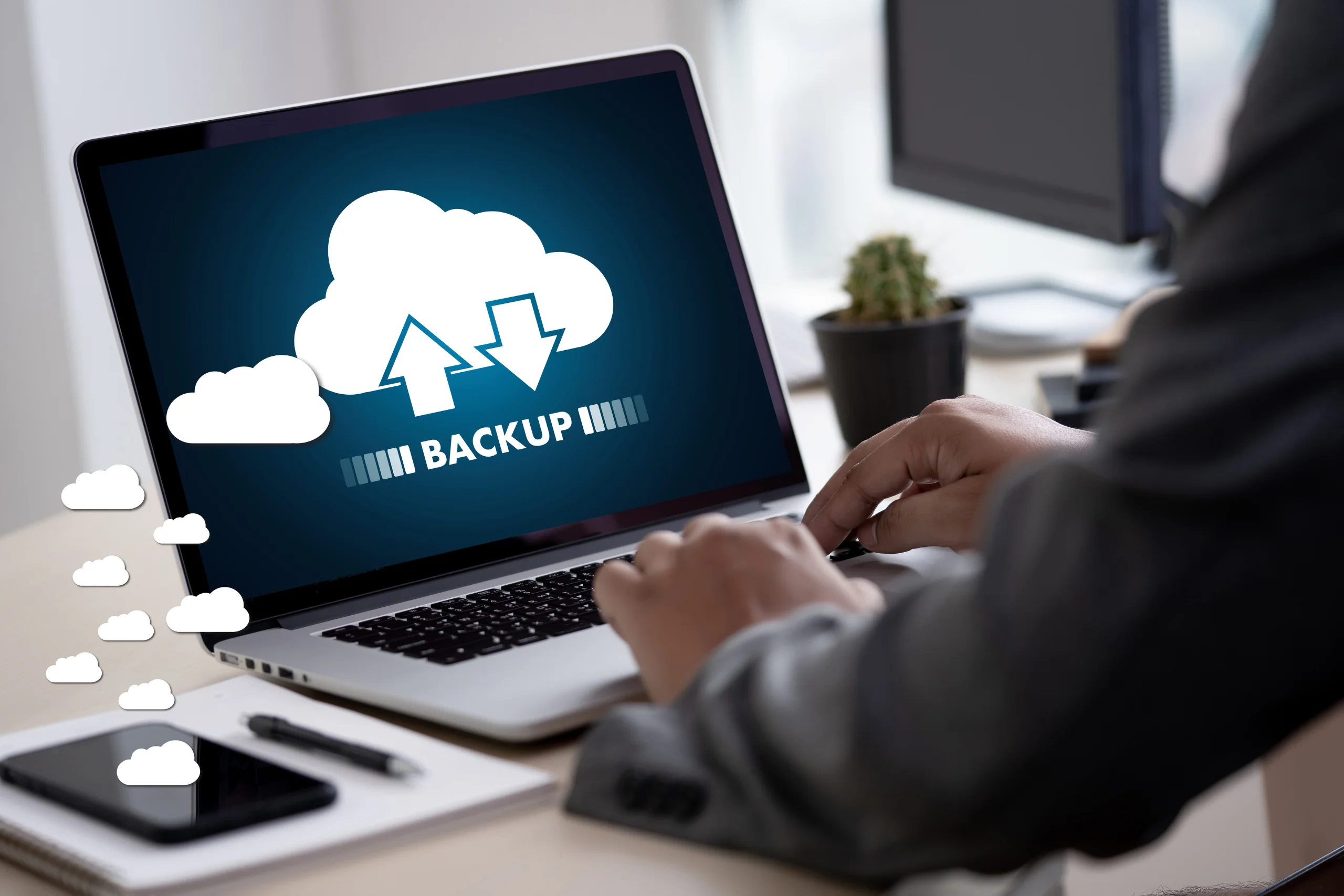
- Moving archived or completed projects to cloud storage
- Avoiding unnecessary local duplication
- Regularly reviewing and purging outdated files
- Keeping at least 30% free local storage
Cloud syncing services like OneDrive or iCloud make this easier, but they must be used selectively. Not everything needs to sync locally. Combining cloud storage with redundant backups protects against accidental deletions, sync errors, and hardware failure.
Well-managed storage keeps systems fast, stable, and responsive—critical traits for daily business use.
Accessories as Preventive Infrastructure
Accessories are often dismissed as optional, but for entrepreneurs, they function as insurance. A cracked screen, bent charging port, or damaged keyboard can halt operations instantly.
Protective phone cases reduce impact damage without adding bulk. Screen protectors provide scratch resistance, privacy, blue light filtering, and antibacterial protection—features that matter for devices used all day.
Laptop stands improve airflow and reduce overheating during long sessions. Padded sleeves prevent damage during travel. External keyboards and mice reduce wear on built-in components.
These accessories cost little compared to repairs or replacements and directly extend device usability.
Think Long Term When Buying Work Tech
Longevity begins at purchase. Entrepreneurs who think ahead save money, time, and frustration. Devices with upgradeable components—such as replaceable RAM or SSDs—adapt to growing workloads instead of becoming obsolete.
Sealed devices force premature replacement when performance bottlenecks appear. Upgrade-friendly systems allow incremental improvements at a fraction of the cost.
This mindset applies to phones as well. Devices that support docking stations, external storage, and broader accessory ecosystems remain useful even as workflows evolve. Long-term flexibility is more valuable than short-term specs.

Productivity, Focus, and the Hidden Cost of Tech Failure
Well-maintained tech doesn’t just last longer—it works better. Quiet fans, responsive software, reliable batteries, and fast storage reduce cognitive load and friction.
Productivity studies consistently show that technical interruptions significantly increase task completion time and error rates. Fewer breakdowns mean fewer disruptions. Predictable performance supports focus, creativity, and decision-making.
Entrepreneurs who maintain their work tech experience fewer emergencies, fewer forced upgrades, and more control over expenses. Over time, maintenance becomes a strategic advantage rather than a reactive chore.
Final Thoughts: Tech Longevity Is Business Longevity
Every entrepreneur depends on their devices more than they realize. When tech fails, work stalls. When tech runs smoothly, businesses move faster, think clearer, and operate with less stress.
Extending the life of everyday work tech isn’t about perfection—it’s about consistency. Cleaning regularly. Managing software intentionally. Protecting battery health. Controlling storage growth. Buying with the future in mind.
These habits compound over time, turning fragile tools into reliable infrastructure. For entrepreneurs, that reliability isn’t just convenient—it’s essential.
Frequently Asked Questions
How can entrepreneurs make their laptops last longer?
Entrepreneurs can extend laptop lifespan by managing battery health, keeping devices clean, maintaining sufficient free storage, and avoiding unnecessary software bloat. Using protective accessories and keeping laptops out of hot environments also prevents long-term damage. Small habits done consistently are more effective than occasional deep fixes.
What shortens the lifespan of work devices the most?
The biggest lifespan killers are poor battery habits, heat exposure, dust buildup, and overloaded storage. Constantly charging to 100%, running devices in hot spaces, and ignoring software maintenance all accelerate hardware degradation.
Is it better to repair or replace work tech?
If performance issues stem from storage, RAM limitations, or battery degradation, repairs and upgrades are often more cost-effective than replacement. Devices designed with upgradeable components typically offer better long-term value for entrepreneurs.
How often should entrepreneurs clean their work devices?
Surface cleaning should be done weekly, while deeper cleaning of vents and ports should occur every three to six months. Regular cleaning prevents overheating and hardware strain.
Does cloud storage really improve device performance?
Yes. Offloading large files to cloud storage reduces local storage pressure, improves system responsiveness, and lowers the risk of performance slowdowns—especially on SSD-based devices.