

Filmustage CEO Egor Dubrovsky explains how his AI startup overcame resistance in the film industry. By focusing on indie filmmakers with urgent workflow needs, the company found product-market fit and built traction.
Key Takeaways
- Resistant industries can still be strong startup markets if the pain point is urgent enough.
- The best early customers are not always the biggest customers.
- AI startups need to be clear about whether they are replacing creative work or removing repetitive work.
- Founders can reduce adoption resistance by fitting into existing workflows instead of forcing users to change everything at once.
- Product-market fit often comes faster when founders serve customers with urgent needs, limited resources, and direct decision-making power.
For many startup founders, “disruption” sounds exciting until they meet the market they are trying to disrupt. Some industries do not welcome change quickly, especially when the work is built on tradition, relationships, creative judgment, and high-stakes execution.
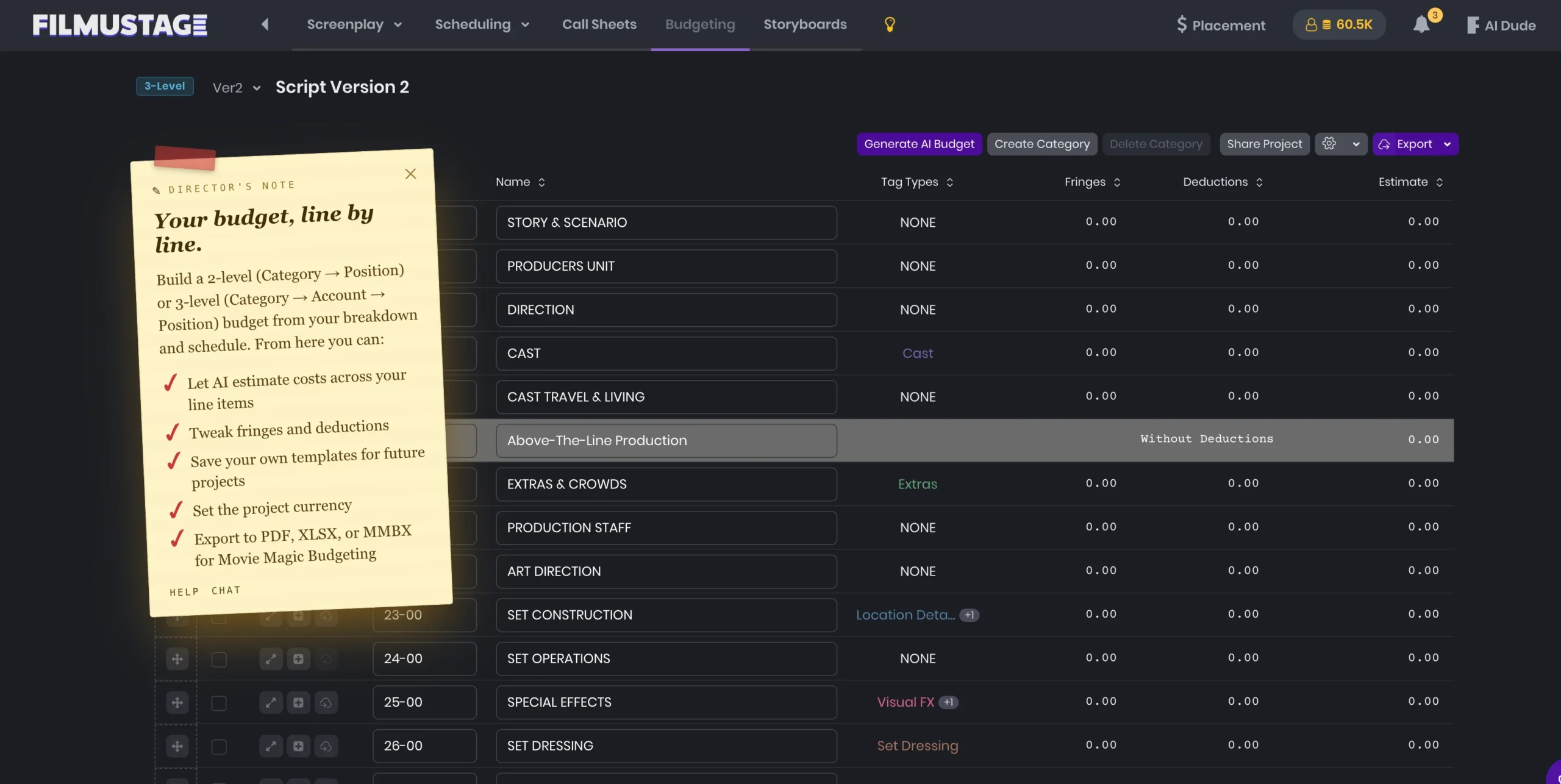
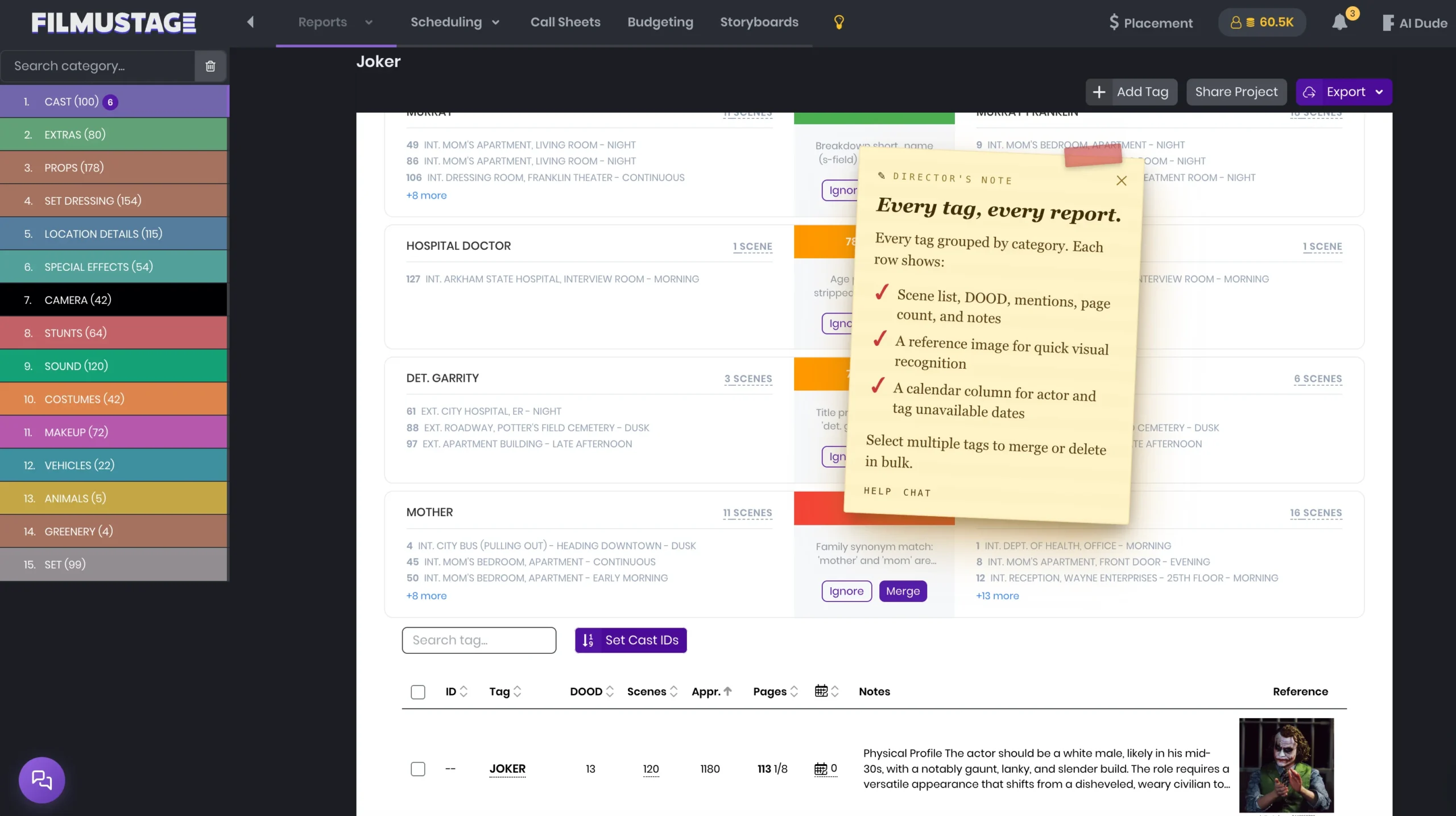
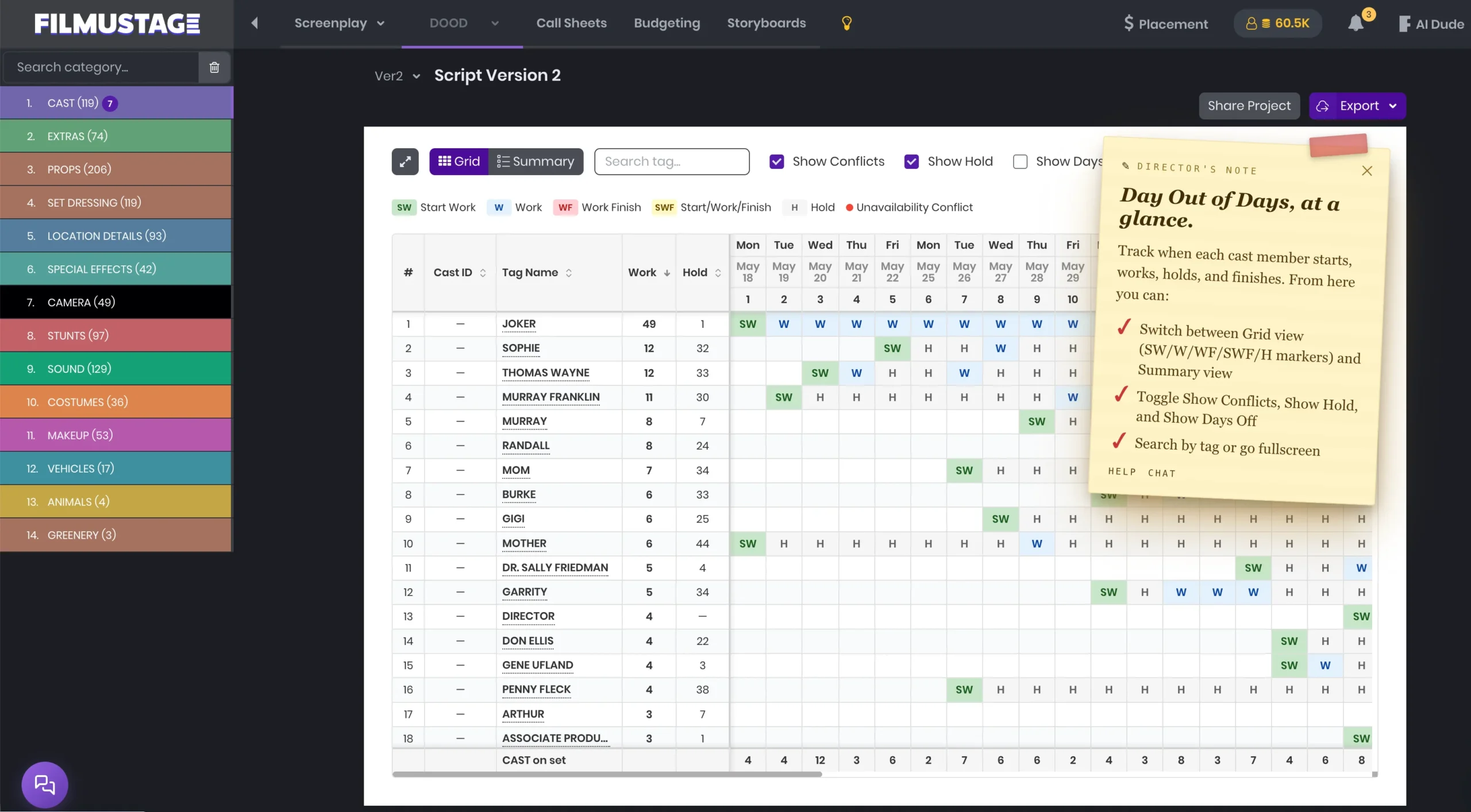
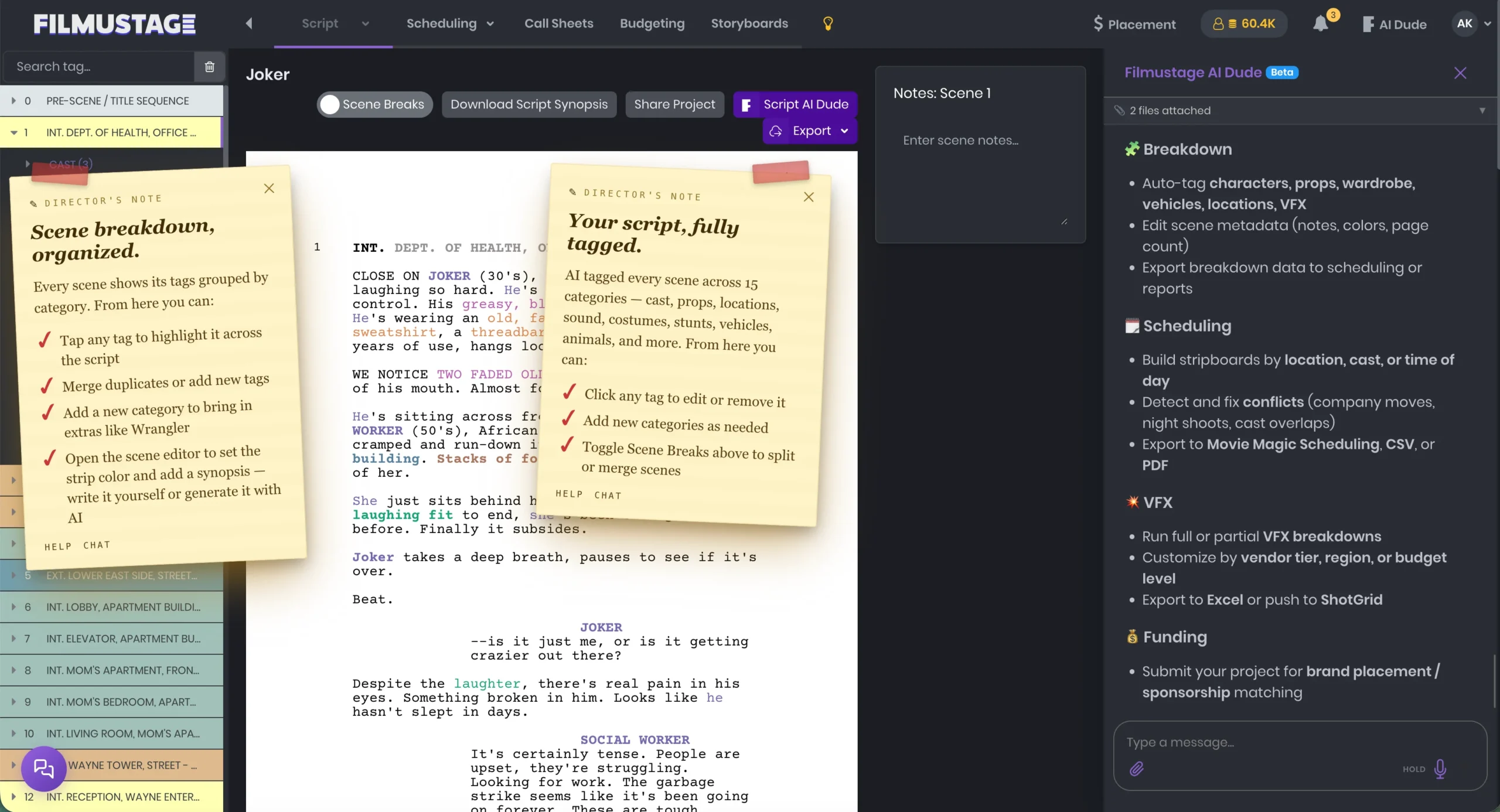
That was the challenge facing Egor Dubrovsky, co-founder and CEO of Filmustage, an AI-powered pre-production platform for filmmakers and studios. The company helps production teams automate time-consuming pre-production tasks such as script breakdowns, scheduling, budgeting, synopsis creation, risk analysis, storyboards, and call sheets.
Filmustage has now helped more than 30,000 filmmakers save 3.5 million hours and an estimated $119 million in production budgets by replacing manual, fragmented workflows with automated pre-production tools. The platform has been used on titles including Masters of the Air on Apple TV and The Gentlemen on Netflix, and has been recommended by producers and industry figures such as Steve Clark-Hall and Roger Christian.
But the path to traction was not simple. Filmustage was built in one of the industry’s most skeptical of AI: film and television.
Table of Contents

The Workflow Problem Hidden in Plain Sight
Dubrovsky spent more than a decade in the film industry before launching Filmustage. He founded two media production companies and worked on projects for brands and organizations including Uber, TikTok, the United Nations, and Netflix.
The moment that helped him see the problem came unexpectedly.
While he was helping a friend with a shoot in Los Angeles, he drove to San Francisco to visit another friend. That evening, his car was broken into, and a backpack containing his laptop, camera, and documents was stolen. He was stuck in the United States for an extended period while waiting for replacement papers.
During that time, he worked around locations where pilots were being filmed for Netflix and Amazon Prime Video. What he saw surprised him.
Script breakdowns were still being done manually, often with pencil, paper, printouts, and spreadsheets. For an industry capable of producing technically complex films and series, much of the planning process was still slow, repetitive, and prone to human error.
“It was there that I saw that the script breakdown is still done manually with a pencil on paper, creating mountains of printouts,” Dubrovsky said. “I realized that this consumed an enormous amount of time and was a source of errors.”
That observation became the foundation for Filmustage.
Even Hollywood Still Relied on Manual Coordination
Dubrovsky expected Hollywood to be far more automated than other production markets. Instead, he found that even large productions still depended on manual coordination across many departments.
“What was most surprising was that even in the United States, a place considered the Mecca of cinematography, the most routine processes remained analog,” he said. “I was naive, thinking that there, in Hollywood, everything was automated a long time ago.”
The issue was not only paperwork. It was fragmentation.
Film productions often involve hundreds of people using different tools. Storyboards, call sheets, schedules, logistics, location information, production risks, and department-specific notes may all live in separate systems. Producers and assistant directors must then manually connect all of that information.
For a founder, that fragmentation created an opportunity. But it also created a challenge: Filmustage had to solve a real operational problem without asking filmmakers to abandon the tools and habits they already trusted.
Why Some Industries Resist Innovation
Many entrepreneurs assume that if a process is inefficient, customers will quickly adopt a better solution. Dubrovsky learned that this is not always true.
“In cinema, the price of a mistake on the set is very high,” Dubrovsky said. “One lost day of shooting costs a lot of money, so people stick to proven tools and do not want to risk something new.”
There is also a cultural dimension. Film is built on craft, apprenticeship, and experience. Knowledge is passed from one production to another, and many professionals are skeptical of tools that appear to reduce creative work to automation.
That is why Dubrovsky believes change in resistant industries has to be earned. As he explained, “People stick to proven tools because the stakes are so high.”
The lesson for other founders is important: when an industry resists innovation, the resistance may not be irrational. Customers may be protecting quality, reputation, jobs, safety, budgets, or creative control. The founder’s job is not just to sell the product, but to understand the fear behind the resistance.
Positioning AI as Support, Not Replacement
Filmustage entered the market at a difficult time for AI companies in entertainment. Writers, actors, and other creative professionals were raising serious concerns about generative AI, job displacement, digital replicas, credit, consent, and compensation.
For Filmustage, this meant the product could not simply be marketed as “AI for filmmaking.” The company had to explain what kind of AI it was building and what role it played in the creative process.
“Our main message is simple: Filmustage supplements and strengthens the skills of the cinematographer, removing manual routine — the creative process stays with the filmmaker,” Dubrovsky said.
That distinction matters. Filmustage is not positioned as a tool to replace writers, actors, directors, or cinematographers. Instead, it focuses on repetitive and administrative pre-production tasks.
Dubrovsky reinforced this philosophy by describing the company as “filmmakers for filmmakers,” emphasizing that the tools are built by people who understand real production workflows.
The company also made a key technical and strategic decision: integrate with tools the industry already uses, such as Movie Magic and Final Draft, instead of asking users to change their entire workflow.
For AI startup founders, this is a critical lesson. In a skeptical market, adoption is easier when the product fits into existing behavior.
The WGA/SAG-AFTRA Strike Forced a Strategic Pivot
The 2023 WGA and SAG-AFTRA strikes intensified concerns about AI in entertainment. For Filmustage, the strikes affected both fundraising and go-to-market plans.
“The 2023 strikes hit the industry hard. People were afraid of losing their jobs and being replaced by AI,” Dubrovsky said. “We decided not to pretend that this did not affect us, but rather decided to prioritize those who continued to work despite ongoing challenges, which were independent filmmakers.”
For more on AI protections in the industry, see the WGA artificial intelligence guidelines and SAG-AFTRA AI resources.
That choice changed the trajectory of the business.
Major studios may have represented a larger market on paper, but during the strikes, they were slower, more cautious, and harder to sell into. Independent filmmakers, on the other hand, still needed to move projects forward with limited budgets, smaller teams, and fewer backup resources.
For them, saving time was not just a convenience. It could determine whether a project happened at all.
Why Indie Filmmakers Became the Better Early Market
One of the most valuable startup lessons from Filmustage is that the biggest market is not always the best first market.
“They have the most urgent need and the least friction when it comes to making decisions,” Dubrovsky said. “Indie teams work with tight budgets and tight schedules, so saving time and money for them is a matter of survival of the project.”
That focus helped Filmustage learn faster.
Instead of building around assumptions about what studios might want, the company listened closely to smaller teams using the product in real projects. This helped Filmustage refine features, improve usability, and build proof of value.
Dubrovsky noted that this shift made the company more adaptable and ultimately helped it find product-market fit.
Start Where the Need Is Most Urgent
For founders trying to enter slow-moving or resistant industries, Dubrovsky’s advice is direct.
“Go where the need is most visible, and the resistance to implementation is the least, even if that market isn’t big,” he said. “First, win over ‘urgent’ users with an urgent need, and collect proof of value and cases from them. After that, you can move up to a larger market.”
This is a powerful product-market fit principle. Early traction rarely comes from convincing the most skeptical buyer in the largest market. It often comes from finding the customer segment that feels the pain most sharply.
Respect the Creative Process
A major reason AI products fail in creative industries is that they frame efficiency as the main goal while ignoring identity, ownership, and creative control.
“I’m sticking to the principle that AI takes care of repetitive things, such as the logistics and routine, but the creative decisions are left to humans,” Dubrovsky said.
That means the platform may prepare a draft, organize information, or identify production elements, but the filmmaker remains in control.
Dubrovsky also emphasized the importance of data ownership: “Their work stays entirely theirs.”
For founders, this is an important reminder: trust is part of the product.
Practical Lessons for AI Startup Founders
Filmustage’s experience offers several lessons for founders building AI products in resistant or traditional markets.
1. Insider knowledge matters
Founders who understand the industry have an advantage because they know the real workflow, not just the surface-level problem.
2. Do not attack the customer’s identity
In creative industries, people often resist technology when it feels like an attack on their craft.
3. Fit into existing workflows
A product that integrates with familiar tools has a better chance of adoption.
4. Find the urgent customer
The best early market is often the one with the clearest pain and strongest need. Learn more about how to find your first customers for your startup.
5. Build proof before moving upmarket
Early adopters provide feedback, use cases, and credibility. You can also explore how to know if your business idea has a market.
6. Be clear about what your AI does and does not do
Clear positioning helps reduce fear and build trust. For more insights, read how to build trust with customers.
From Near-Shutdown to Traction
Looking back, Dubrovsky says the most important decision was choosing to serve the independent filmmaking community during a moment when much of the industry was paralyzed by fear and uncertainty.
“The most important decision that helped to grow was during the strike, when we decided to focus on the independent filmmaking community and stay true to our mission of ‘helping, not replacing,’” he said.
That decision helped Filmustage survive, develop faster, and later raise $1.5 million in seed investment. You can read more about the funding in this Filmustage seed funding announcement.
Final Thoughts
Filmustage’s story shows that innovation in resistant industries requires more than a better tool. It requires trust, timing, positioning, and respect for how people already work.
As Dubrovsky’s experience shows, success came not from forcing change, but from aligning with real needs and concerns.
For entrepreneurs building in AI or any slow-moving industry, the lesson is clear: resistance is not always a signal to quit. Sometimes it is a signal to listen more closely and find the customers who are ready to move. If you’re exploring AI opportunities, check out how to use AI in a small business.
Frequently Asked Questions
What is Filmustage?
Filmustage is an AI-powered pre-production platform that helps filmmakers and production teams automate tasks such as script breakdowns, scheduling, budgeting, storyboarding, synopsis creation, call sheets, and production analysis. Visit the Filmustage official website to learn more.
Who is Egor Dubrovsky?
Egor Dubrovsky is the co-founder and CEO of Filmustage with over a decade of experience in film production and technology.
What problem does Filmustage solve?
It reduces time spent on manual pre-production work by automating and organizing workflows.
Why did Filmustage focus on indie filmmakers first?
Because they had urgent needs, limited resources, and faster decision-making.
What can other AI founders learn from Filmustage?
To start with urgent customers, respect industry concerns, integrate with existing workflows, and build trust.
How can startups sell into industries that resist innovation?
By understanding resistance, addressing fears, proving value, and starting with early adopters.