

Key Takeaways
- Your first target market might not be your most profitable one. Keep testing and analyzing to find where your product resonates most.
- Be open to opportunities from unexpected sources. Donations, collaborations, and one-off events can lead to major new client segments.
- Track customer origins and behaviors. Let data guide your market focus rather than assumptions.
- Strategic visibility matters. Put yourself in front of the people most likely to buy, not just the largest crowd.
- Flexibility is a small business superpower. Use your agility to pivot quickly toward more lucrative opportunities.

Are you really going after the right target market?
It’s a question that every small business owner should ask regularly — not just when sales are slow, but also when things seem to be going well. The right target market isn’t just a group of people who can buy from you; it’s the group that wants to buy from you, can afford your offer, and will return for more.
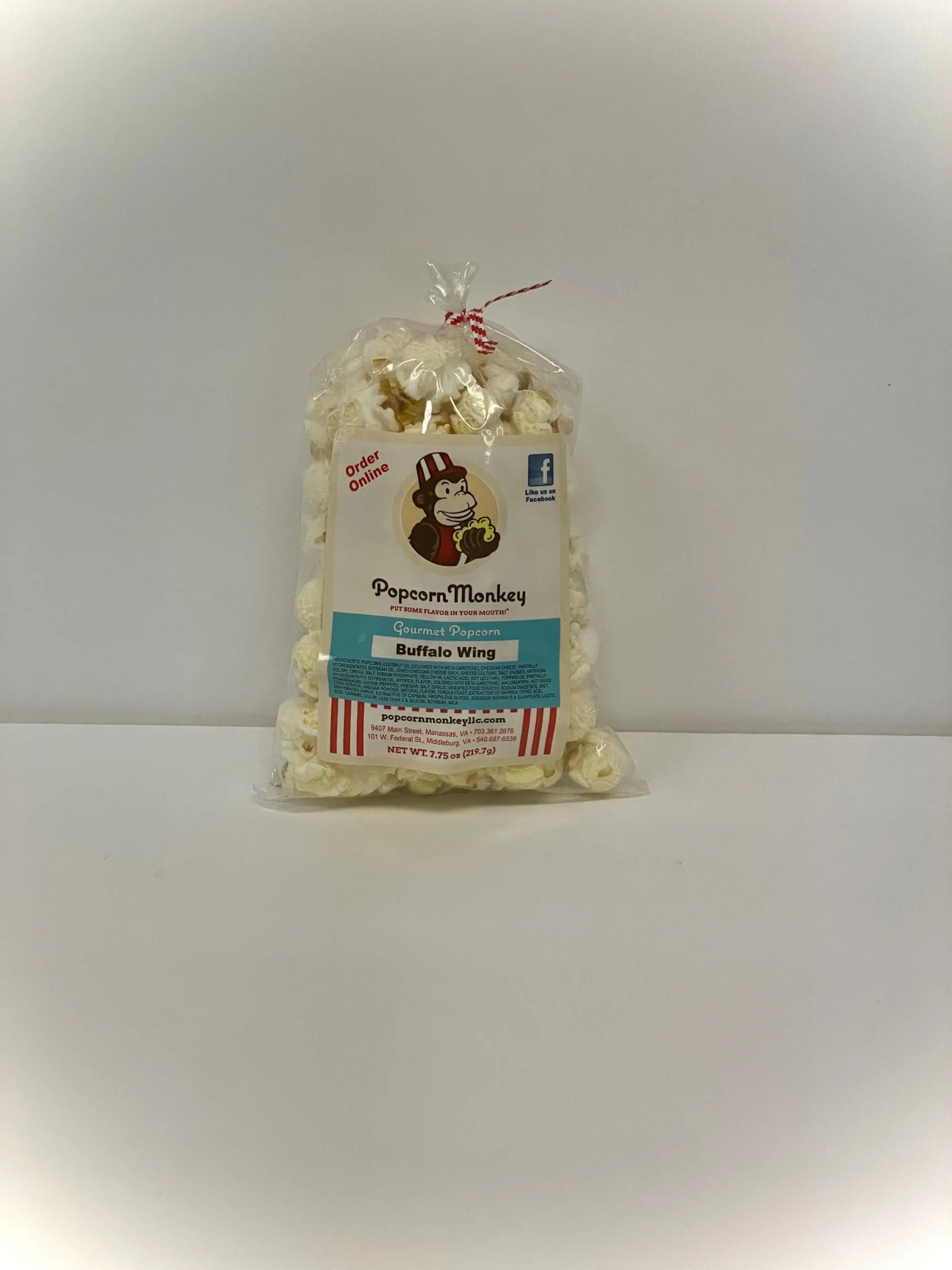
I recently had an interesting conversation with Tony, the original founder of Popcorn Monkey, a gourmet popcorn shop in Virginia. While Tony sold the store in 2023, his story offers powerful lessons for small business entrepreneurs about why finding — and sometimes shifting to — the right target market can completely change your business trajectory.
Table of Contents

Tony’s Original Plan: The Consumer Market
When Tony started Popcorn Monkey, his plan was straightforward:
- Lease a store
- Make and sell popcorn directly to walk-in customers
- Promote the business via a website, social media, and online ads
Like many small business owners, he assumed his best market would be individual consumers — families, tourists, and snack lovers. He even tried Groupon, hoping for a flood of new customers.
But Groupon didn’t deliver the profit he expected:
“I did a buy-one-take-one promo with Groupon, and Groupon took 50% of what the customer paid. I run the numbers, and Groupon just did not make sense for my business. I did not do it again.”
For six months, he poured energy into marketing, but foot traffic remained slow.
Lesson for Entrepreneurs: Your First Guess Might Not Be Your Best Market
Many entrepreneurs start with a mental image of their “ideal” customer. But that picture is often based on personal preference, gut instinct, or imitation — not real data.
If sales are flat despite your efforts, it’s worth investigating whether you’re focused on the wrong audience.
Pro Tip:
Track where your sales actually come from — not where you expect them to come from. A simple spreadsheet logging each sale and customer type can reveal surprising patterns.

The Accidental Discovery: Corporate Clients
Tony’s turning point came when he donated popcorn to a church auction.
The event created buzz, brought new visitors to his store, and — most importantly — connected him with someone who owned a business and wanted a popcorn bar in the office.
Tony hadn’t considered the corporate market before. But he took the chance, set up the popcorn bar, and discovered a far more lucrative client segment.
Lesson for Entrepreneurs: Stay Open to New Channels
The best opportunities often come from unexpected sources. A donation, a collaboration, or a small experiment can reveal entirely new markets.
Expert Tip:
Marketing strategist Philip Kotler once said, “Markets are not found, they are created.” Sometimes, you create a market by introducing your product to an audience that never realized they needed it.

Shifting the Focus: From Walk-Ins to Corporate Accounts
Tony pivoted. While still selling to consumers, he began actively targeting corporate clients:
- Offices that wanted snacks in their cafeterias
- Companies hosting events and celebrations
- Sports organizations like the Washington Redskins, where he set up a popcorn cart during home games
One smart move: Tony rented a kiosk in Tyson’s Corner, a high-traffic area filled with corporate offices. He wasn’t chasing retail sales alone — he was strategically building visibility with decision-makers.
That two-month kiosk experiment landed him five new corporate accounts.
Lesson for Entrepreneurs: Be Strategic with Exposure
Not all visibility is equal. Place yourself where your best potential buyers spend their time — even if it’s not your main selling channel.
Pro Tip:
If you sell B2B (business-to-business), showing up at industry trade shows, conferences, or networking events can yield more long-term contracts than spending the same budget on generic ads.
Expanding the Market Further: Events and Special Occasions
Tony didn’t stop with corporate accounts. He branched into weddings, graduations, and private parties, offering popcorn as:
- Reception snacks
- Thank-you gift bags
- Themed popcorn bars
These events gave hundreds of guests a chance to taste his product, turning one-time event-goers into repeat customers.
Lesson for Entrepreneurs: Use Events as Sampling Machines
Events let you put your product directly into the hands of many people at once — often in a positive, memorable setting.
Expert Tip:
If you run a food, beverage, or lifestyle business, create “event-friendly” packaging that makes your product easy to transport and distribute.
How to Find (and Refine) Your Target Market as a Small Business
Tony’s journey shows that sometimes the market finds you — but you can also be intentional about discovering and testing new opportunities. Here’s a step-by-step framework:
1. Start with Hypotheses, Not Assumptions
Write down who you think your ideal customer is — their age, income, interests, and buying habits. But treat this as a testable hypothesis, not a certainty.
2. Gather Real-World Data
Look at:
- Your current customer base (Who buys most often? Who spends the most?)
- Competitors’ customers (Who are they targeting? Is there a gap?)
- Market trends in your industry
3. Test New Segments in Low-Risk Ways
Before overhauling your business, run small, inexpensive experiments. For example:
- Donate or sample your product at a different type of event
- Partner with a business in another industry for cross-promotion
- Offer a temporary product variation tailored to a new audience
4. Track Results Ruthlessly
Measure response rates, conversion rates, and repeat purchases for each segment. If one market consistently outperforms the rest, lean in.
5. Refocus and Double Down
Once you identify your most profitable segment, shift more resources toward reaching them — while still keeping an eye out for future opportunities.

Frequently Asked Questions
How do I know if I’m targeting the wrong market?
If you’re consistently investing time and money into marketing without seeing proportional returns, it’s a red flag. Signs include low customer retention, slow word-of-mouth growth, or difficulty converting interest into sales. Compare your assumptions with actual customer data — if your “ideal” customer rarely buys from you, you may need to explore new segments.
Should I completely abandon my original market if a new one works better?
Not necessarily. Your original market might still be valuable for brand presence, referrals, or seasonal sales. The key is to prioritize the segment that delivers the best long-term revenue while keeping other channels alive if they’re cost-effective.
What’s the best way to test a new target market without spending too much?
Start with low-cost experiments: pop-up stalls at relevant events, collaborations with complementary businesses, or targeted social media ads. Track the performance closely to see if the new market shows stronger buying behavior.
How often should I reassess my target market?
At least once a year, and more frequently if you notice shifts in sales patterns, market trends, or customer feedback. The business landscape changes quickly, and staying adaptable ensures you’re not missing emerging opportunities.
Can a business have more than one profitable target market?
Absolutely. Many successful businesses serve multiple segments. The key is to tailor your marketing, messaging, and offerings to each audience rather than using a one-size-fits-all approach.
This article was first published on October 11, 2014.