
The subscription model has gained tremendous popularity, from magazines to digital services to software; everyone is opting for this model. The craze for the subscription model is because of its steady cash flow and other benefits that recurring payment provides. It is gaining steam globally as it benefits both customers and businesses.
Enterprises receive their payments on time and cut down on administrative costs related to payment delays. At the same time, customers do not need to open invoices to complete their billing cycle. Once they set up a recurring payment system, the funds will be debited automatically from customers’ accounts on time, protecting them from possible fraud and late payment penalties. This article will help you quickly understand recurring payments, how they benefit your business, and more.
Table of Contents
What is Recurring Payment?
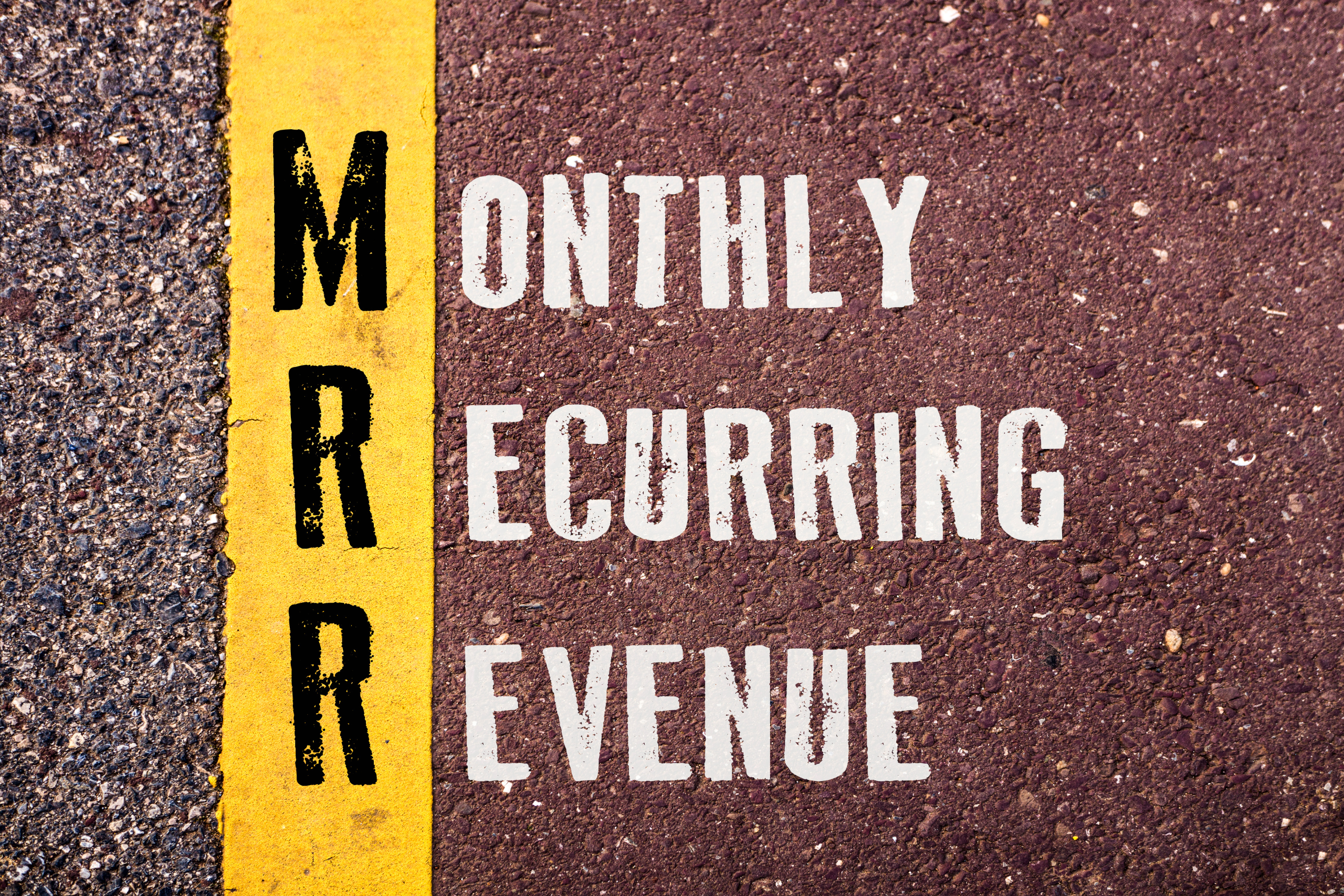
The recurring payment is a simple payment model where consumers authorize the merchant to boost revenue and automatically pull more funds from their accounts at regular intervals for the goods and services offered to them on an ongoing basis.
Once customers approve, the amount is deducted automatically at predefined intervals until the consumers retract the permission or the subscription expires. UPI Autopay experienced a 28.34% rise in recurring mandates. The mandated volume registered by remitter banks abutted around 4.03 million; it jumped considerably over September.
The remitter banks registered almost 3.14 million mandates on the platform during that period. The recurring payment option has created a massive buzz as more brands and customers enthusiastically welcome this concept.
Types of Recurring Payments
This trend started in 2007 and was recognized as a business transformation. It is a trend that is away from purchasing products towards subscribing to services. The new way of doing business is termed a “subscription economy.”
Many brands, such as video streaming platforms Netflix and Amazon, were the torchbearers; however, the phenomenon is far broader and relevant to every industry. The recurring payment is categorized into two types, these include:
Fixed or Regular Recurring Payments
When individuals choose fixed or regular recurring payment options, they are charged the same every time—for example, magazine subscriptions, gym memberships, etc.
Variable or Irregular Payments
When anybody chooses variable/ irregular payment, the leads charged are changed based on the product or service usage. For example, gas, electricity, water, and other bills change based on consumption.
Different Services That Provide Recurring Payment Options
No matter whether you have a SaaS-based business or other sizes of business, recurring payments have become increasingly popular among customers and businesses. Many business models use it; let’s check the list of areas that work with a regular payment approach.
Personal Services
Recurring payments are no longer limited to digital channels and tech. Traditional personal services like clinics, schools, and parking follow the same approach. For example, in a club, individuals can choose a membership to enjoy the leisure and sports facilities.
SaaS
As mentioned above, streaming platforms boosted the popularity of recurring payments; they were the first to employ these billing methods. In the past, recurring payments were referred to as recurring savings. The front runners to recurring payments were the SaaS business, which offers technological systems as a service. Enterprises can also access the platform without investing in program licensing.
Streaming Platforms
Everyone is familiar with video streaming platforms like Netflix and others. But do you know that all these platforms have driven recurring payments globally? Business models of these streaming platforms enable subscribers to pay a monthly fee to enjoy a catalog of premier content, including TV series, music, movies, and more.
Streamers can use different video and music streaming platforms for free. Still, if they want access to premium content, they must get a subscription based on a weekly, monthly, or annually recurring payment approach. Streamers can choose any Subscription plan and make payments to enjoy the content of their choice without any delays.
Subscriptions Through Clubs
Changing customers’ habits has made brands more innovative. For example, in the literature market, decreased physical sales increased the subscription clubs. Besides books, subscribers get reading guides along with unique gifts. Other markets like beverages, makeup, home products, and more followed this trend. Customers can make recurring payments to get the products.
Recurring Payment Benefits for Businesses
Every size and type of brand is interested in recurring revenue; however, the goal often needs to be more attainable to smaller brands that are changing for better use.
Recurring payments boost customer experience; however, the subscription payment models have provided the foundation for most endeavors, from software to digital services and newspapers to utilities.
Subscriptions are more popular than ever due to the ease of setting up these payments and accessibility to growing and new businesses. The ability to tap into recurring card processing is fueling the steady growth in subscription payment models.
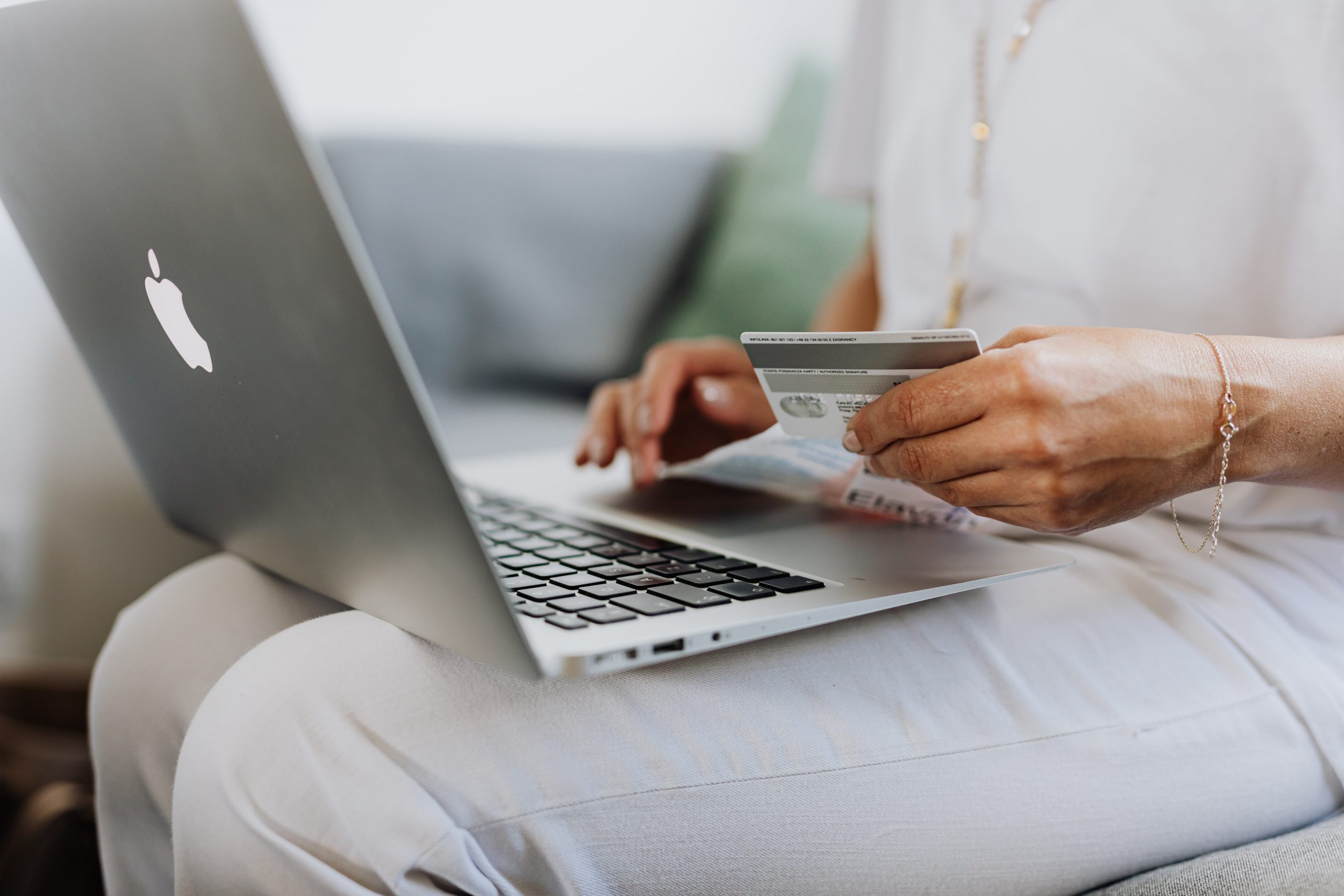
When it comes to a regular recurring payment approach, a customer provides your business with payment methods like credit/debit card or bank account details; they approve regular intervals like annually, monthly, or weekly for goods or services they provide to them.
Recurring payments benefit businesses like music streaming platforms, gym memberships, and pet food delivery. Almost all companies can enjoy the advantages of predictable revenue, which becomes possible due to recurring credit card processing. There are lots of benefits that recurring payment provides to brands and customers; these include:
Improve Customer Retention
Customer acquisition costs your business time and money. You can improve the customer retention rate of your business revenue by 80% and boost customer loyalty by 30% with recurring transactions. Recurring payments support retention by incentivizing consumers to pledge with your brand.
Top brands like Amazon Prime and others have implemented it. They offer participants discounts and other perks, helping brands gain more loyal customers. Recurring payments ease the customer payment process. By agreeing to recurring billing, individuals can eliminate the need to remember the time and date to make timely payments, which makes their subscriptions, access, or deliveries remain uninterrupted.
Stabilize Cash Flow
Sales are unpredictable; they fluctuate from season to season or even in response to customer trends. This makes your business revenue less predictable than you hope, complicating your budget for growing your business.
However, recurring transactions help to stabilize and improve your cash flow of your business as it has customers who prefer to make regular recurring payments; this makes it easier for you to generate more revenue.
Increase Customer Lifetime Value
Customer lifetime value means the total revenue brought by customers, operating expenses minus acquisition costs, and the expense of goods or services offered to customers.
A larger CLV means more money for your business. Recurring payments help to build a relationship between customers and brands after acquisition. Your brand income increases with the increase in the retention period.
Don’t Avoid Tech
McKinsey’s study shows that companies implementing modern tech have experienced significant growth in recent years. This represents how digital transformation makes a business competitive. Automated systems used for recurring payments simplify tasks and make collections more effective.
Guarantees Better Customer Experience
Most companies focus on experience as more customers desire personalized and pleasant experiences from brands and better products and services. Hence, while advertising your recurring payment system, manage your business.
Recurring transactions gained great followers as more customers demanded more delivery quality. The primary reason is that the buyers consider the subscription service rather than a transaction. They want brands to satisfy their needs; otherwise, they will choose their competitors over them. On the other hand, companies are focusing on improving the quality of the experience through final delivery and team performance.
Conclusion
Recurring payments are made regularly; hence, most businesses provide this service, helping them attract new customers and retain old ones. Following new models for customers to obtain services, recurring billing or payments have increased dramatically.
This payment method charges periodically, making it easier for customers to clear their billings more safely without any issues. The business can set the amount and pre-established period for a recurring payment; it is an effective way to enable your customers to pay at their convenience.
Frequently Asked Questions:
1. What are recurring payments, and how do they work?
Recurring payments are automatic transactions processed regularly, usually monthly or annually. They’re set up using a customer’s payment details, allowing businesses to charge for ongoing access to a service or product. This model is ideal for subscriptions, memberships, and other services requiring regular payments, ensuring a steady cash flow for the business.
2. How can recurring payments benefit my online business?
Implementing recurring payments streamlines revenue collection, ensuring a predictable and steady cash flow. It reduces the administrative burden of chasing payments and improves customer retention by providing a hassle-free payment experience. Recurring payments also make it easier to predict income, aiding in more accurate financial planning and forecasting.
3. What types of businesses can benefit from recurring payment models?
Recurring payment models can benefit any business offering services or products that require regular payments. This includes subscription-based services like streaming platforms, software as a service (SaaS), membership clubs, utility services, and regular delivery services such as meal kits or box subscriptions.
4. How do recurring payments improve customer experience?
Recurring payments offer customers convenience and consistency. Customers appreciate the ease of not having to complete transactions for every billing cycle manually. This convenience reduces the friction in the payment process, leading to higher customer satisfaction and loyalty.
5. What innovations are driving the recurring payment space?
Recent innovations include advanced security features like tokenization and encryption, seamless platform integration, personalized billing options, and real-time analytics. Artificial intelligence and machine learning are also used to predict customer behavior and manage subscriptions more efficiently.
6. How do I ensure the security of recurring transactions?
Complying with Payment Card Industry Data Security Standards (PCI DSS) can ensure security in recurring payments. To safeguard transactional data, use tokenization to store customer data, implement strong encryption methods, and choose a reputable payment processor that prioritizes security.
7. Can recurring payments help with customer retention?
Yes, recurring payments significantly aid in customer retention. Customers are more likely to continue using a service by simplifying the payment process. Automatic renewals reduce the chance of customers dropping out due to the inconvenience of manual payments. Additionally, regular payments foster a sense of commitment and loyalty.
8. How do recurring payments integrate with other business tools?
Most modern recurring payment systems are designed for easy integration with various business tools such as CRM systems, accounting software, and e-commerce platforms. This integration allows for streamlined operations, better customer data management, and improved efficiency.
9. What challenges might I face with recurring payments, and how can I address them?
Challenges include managing failed transactions, updating expired payment information, and handling customer cancellations. Addressing these challenges involves implementing effective dunning management processes, using updated payment technologies that automatically prompt for updated information, and offering excellent customer service to handle cancellations sensitively.
10. How can I effectively manage changes in subscription pricing or terms?
Managing changes in pricing or terms requires clear communication with your customers. Notify customers well before any changes, and explain the reasons behind these changes. Offering grandfathering plans or special offers can also ease the transition for existing customers.