

Should you always aim to locate your business in a high-traffic area? Not necessarily. Here are 6 factors to consider whether you need to put your business in a high-traffic location.
When you’re starting a small retail store, coffee shop, salon, or any brick-and-mortar business, one piece of advice you’ll hear often is “location, location, location.” This well-worn mantra underscores just how crucial location can be to your success—or failure.
But does it always mean you should be in a high-traffic area? Not necessarily.
While high visibility and customer footfall sound appealing, there are many important considerations before deciding if a high-traffic area is right for your business. In this article, we’ll walk through everything you should evaluate, supported by case studies, industry statistics, and real-world examples.
Table of Contents
1. What is the nature of your business?
First, consider the basic nature of your business. Different types of businesses have different location needs:
- Retail stores, restaurants, and coffee shops thrive on high visibility and impulse visits.
- Professional services like law firms, accountants, or consulting offices don’t necessarily need walk-in traffic.
- Destination businesses—specialty shops or unique eateries—can attract loyal customers even in lower-traffic locations.
Businesses like retail stores, restaurants, and cafes significantly benefit from the increased foot traffic in high-traffic areas. This visibility can lead to more walk-in customers and potentially higher sales.
Being in a prominent location also brings about brand visibility. High visibility in these areas can enhance brand recognition and marketing efforts, attracting both new and returning customers.
Stat Check:
According to the International Council of Shopping Centers (ICSC), 70% of retail purchases are still made in brick-and-mortar stores, driven largely by impulse buying and visibility. This shows that for many retail or food businesses, foot traffic can translate to sales—but only if your business type matches the setting.
2. The Hidden Cost: Can Your Cash Flow Support It?
While the benefits of high-traffic locations seem obvious, the costs can be staggering. Leases in prime commercial areas can cost two to three times more than similar-sized spaces in less busy areas.
For example:
In New York City, retail rents in prime areas like SoHo or Fifth Avenue can reach over $2,000 per square foot annually, compared to under $200 per square foot in outer boroughs.
You have to ask yourself:
- Can your business generate enough monthly sales to cover not just rent but salaries, utilities, supplies, and other overhead—and still turn a healthy profit?
- Have you factored in slow months or seasonal variations?
Given the high cost, are you sure that your revenues can handle the high lease cost of the space and still leave you with a sizable profit and cash flow? The last thing you want is to be in business solely to pay your landlord.
A quick formula to consider:
Commercial real estate experts suggest your rent should be no more than 10% of your gross sales.
If your monthly rent is $5,000, you should aim for at least $50,000/month in sales to stay financially healthy.
Case Study:
An independent coffee shop in Chicago opened in a bustling downtown area but quickly found the $8,000 monthly rent unmanageable. After moving to a neighborhood location with slightly lower foot traffic but much lower rent, profits increased by 27% within six months.
3. Are you ready for competition?
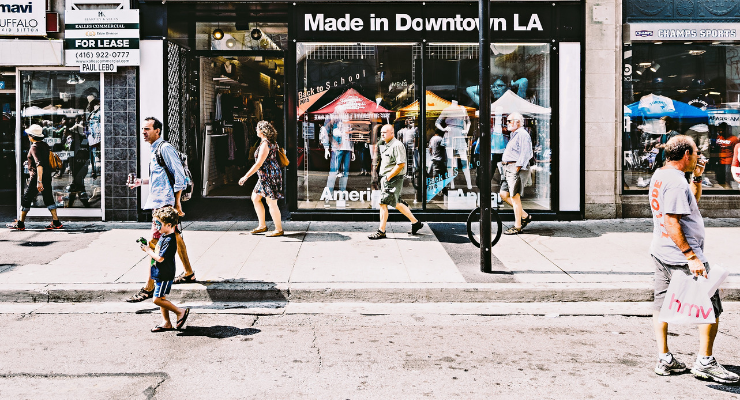
High-traffic areas don’t just bring customers—they also attract the big players. High-traffic locations typically attract A1 businesses such as banks, big restaurant chains and fast foods, and and top fashion retailers.
Think national chains like Starbucks, Chipotle, Chase Bank, and H&M. This means more competition for your business, many of whom will be big businesses. There is also a high likelihood that your direct competitors will be there.
Key Considerations:
- Can you differentiate your brand and experience from major competitors?
- Can you match or beat their marketing budgets, technology, loyalty programs, and pricing?
- Will you offer something unique enough to stand out?
You must consider how having a direct competitor near you can affect your business. Some industries benefit from having the same businesses together – e.g., food businesses in a food court at a mall, where customers know where to go if they want to eat. However, some businesses are negatively impacted by having competitors nearby.
>> RELATED: Finding the Right Location for Your Small Business
Example:
In the restaurant industry, food courts are often filled with competing fast-casual eateries. Yet businesses like Auntie Anne’s Pretzels succeed in these environments by offering specialty products and unique customer experiences.
Stat Check:
A Yelp survey found that 92% of consumers will choose a business over a competitor if it has higher ratings and better customer reviews—even if it’s less conveniently located.
Thus, winning against larger competitors may hinge more on service, branding, and customer experience than simply being present in a high-traffic zone.
If you feel you can compete head-on with your direct competitor and can afford the rent, decide whether you want to open in an area with high customer traffic but near one or more close competitors. The alternative is to find areas with lower foot traffic but without a competitor in place.
4. High-traffic does not necessarily mean more customers
Just because your business is in a high-traffic area does not mean that people are actually going to come inside your store. High foot traffic sounds great—but it doesn’t guarantee high sales. You will find that most people are in a hurry and are more focused on getting what they need – instead of trying out other businesses in the high-traffic area. You may end up paying premium rent for traffic that does not convert.
People in high-traffic areas may be:
- Tourists who are window-shopping, not buying.
- Commuters rushing to work.
- Locals who already have established buying habits.
In fact, only about 15-30% of foot traffic typically converts into paying customers in retail environments, according to Placer.ai.
If you are operating a destination business such as a coffee shop where people will go specifically to enjoy your coffee, it may be more prudent to operate in a traffic location where rent is lower but still enjoys decent foot traffic.
Case Study:
A boutique fitness studio in Los Angeles opened on a busy strip but saw minimal membership growth. After surveying visitors, they found most were tourists who were not seeking long-term gym memberships. Moving the studio to a nearby residential neighborhood increased customer retention and new sign-ups by 40%.

5. The Crucial Role of Parking and Accessibility
Never underestimate the impact of parking availability and ease of access. A high-traffic area means lots of cars. Does this high-traffic location have adequate parking? Is your store on the side of the street where traffic flows? If your customers have to spend a great deal of time maneuvering their cars to reach the parking lot and then look for parking, they may never even want to go to your business.
Questions to ask:
- Is there ample parking close to your store?
- Is the entrance visible and convenient?
- Is it safe and easy for customers to get from their cars to your business?
If parking is inconvenient, you will lose customers—no matter how great your store or product is.
A National Parking Association study found that 63% of consumers have abandoned a planned shopping trip because parking was too difficult.
Example:
In suburban malls, free and abundant parking is often a major reason customers prefer shopping there instead of at urban boutiques with metered street parking.
6. Understand the Lease Terms Before You Sign
Location isn’t everything—the terms of the lease can make or break you, too. The foot traffic may be heavy, but will your business benefit from the lease terms? Consider carefully the terms of leasing the commercial space and how it impacts your business.
Here’s what to look out for:
- Length of the Lease: A 5-10 year lease could lock you into an unsustainable situation if your business outgrows the space or struggles.
- Exclusivity Clauses: Does the lease prevent the landlord from renting nearby spaces to direct competitors?
- Signage Rights: Are you allowed to install visible signage to capture foot or street traffic?
- Common Area Maintenance (CAM) Fees: Additional costs like cleaning, landscaping, and security may be tacked onto your rent.
Aside from ensuring you can afford the space, consider the length of the lease. If the lease locks you in a long-term agreement, say 5-to-10 years, think about where your business will be in that period of time. Your business may grow big, and that space may no longer work for you. Also, check if the lease agreement prevents the landlord from leasing space to a direct competitor or if you will be allowed to put up a visible sign from the street to attract bigger foot traffic.
Case Study:
A small ice cream shop signed a lease in a high-traffic strip mall without an exclusivity clause. A national frozen yogurt chain opened two stores down within a year, cutting their sales by nearly 50%.
Always have a lawyer review the lease before signing. It’s an upfront investment that can save your business.
7. Alternatives to High-Traffic Areas
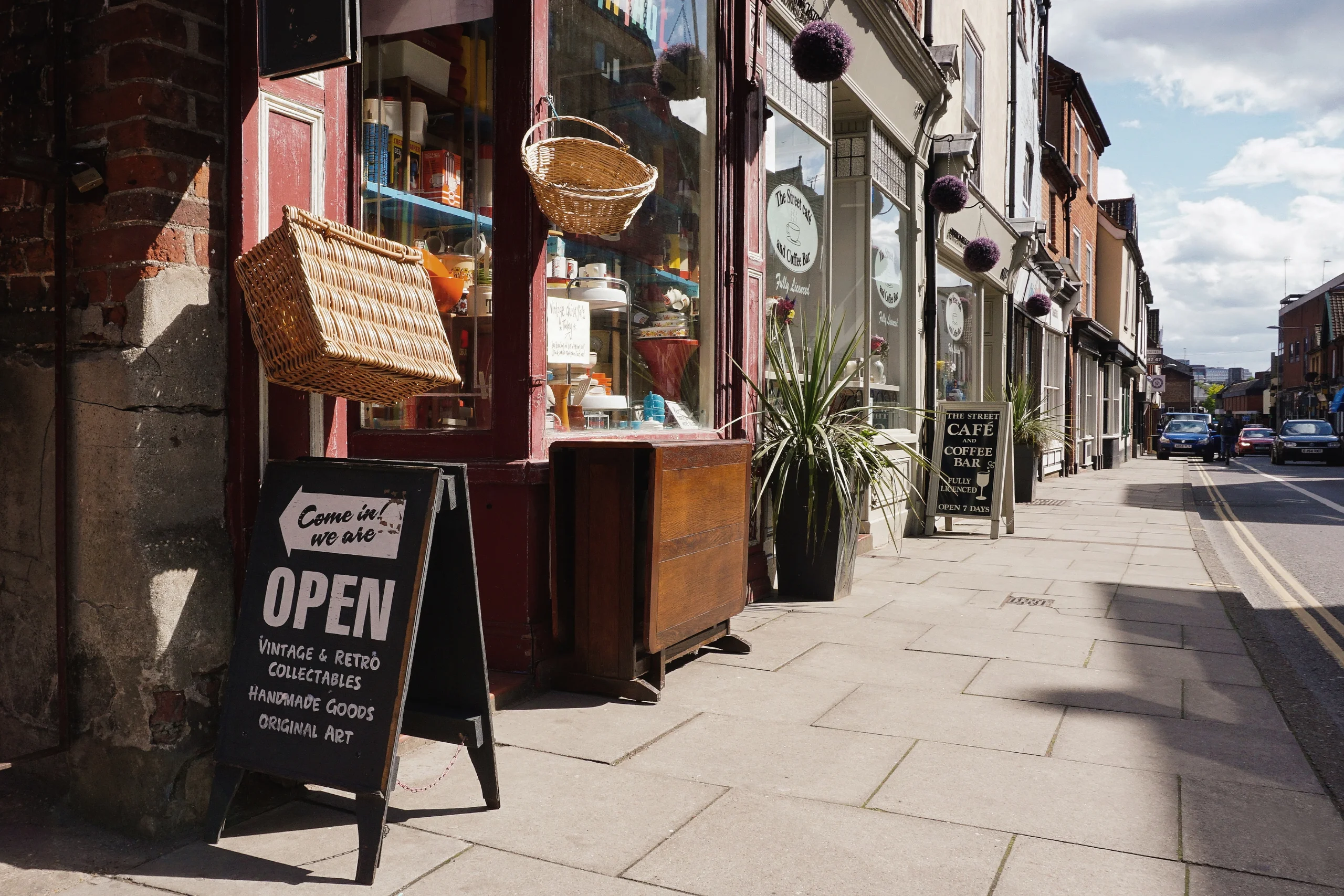
Choosing not to be in a high-traffic area doesn’t mean you’re setting yourself up for failure. In fact, many businesses find better success through:
- Destination Marketing: Create such a unique experience that people seek you out, like a hidden-gem bakery or boutique.
- Digital Marketing and E-commerce: Use online advertising, social media, and delivery services to expand your customer reach beyond your immediate location.
- Pop-Up Strategies: Open temporary pop-up shops during peak seasons or in strategic locations to test new markets without long-term commitment.
Example:
Glossier, a beauty brand now valued at over $1 billion, started entirely online. Their pop-up shops in high-traffic cities created buzz without long-term rent commitments, driving both online and offline sales.
8. Final Thought: Match the Location to Your Business Strategy
There’s no one-size-fits-all answer. Your business strategy, customer profile, cash flow, and growth plans should drive your decision about location—not just foot traffic numbers.
Checklist before choosing a high-traffic location:
- Can I afford at least 6 months of rent without breaking even?
- Does my business need walk-in traffic?
- How fierce is the competition here, and what is my differentiation?
- Is parking or accessibility an issue?
- Are lease terms favorable and flexible enough for my business needs?
- Do I have a strong marketing plan beyond foot traffic?
Stat Check:
Businesses that choose locations aligned with their customer profiles and marketing strategies—not just traffic counts—see a 23% higher survival rate after 5 years, according to a study by the U.S. Small Business Administration.
Conclusion
High-traffic areas can certainly boost visibility and sales—if you have the right kind of business model, the cash flow to support it, and a strategic plan to stand out against the competition.
But remember, more eyes on your business don’t automatically mean more dollars in your register.
Location should support your business goals, not the other way around.
Evaluate carefully, run your numbers honestly, and don’t let the allure of heavy footfall blind you to better opportunities elsewhere.
There are many variables in choosing the right location for your business. Be sure to run your numbers to check if you can really afford the commercial space, look at the agreement, and check out the competitor, among other factors. Your goal should be to find just the right location to make your business sustainable and successful.
Article was originally published on March 1, 2016 and updated on April 28, 2025.