


Remote employment has become a defining feature of the 21st-century job market. Geographical boundaries no longer constrain employees as the more flexible and decentralized remote work paradigm has replaced the conventional 9-to-5 office employment system.
This article will explore five factors that have contributed to the impressive rise of remote work, highlighting the financial, environmental, and personal advantages this trend has brought to our professional lives.
Table of Contents
1. Cost Savings
Remote work has revolutionized the traditional work environment, offering cost savings for employees and employers. Employees can save on commute expenses, such as fuel, public transportation, and vehicle maintenance while reducing the need for professional attire. Additionally, they are less likely to order lunch or purchase expensive meals at the office cafeteria. Instead, eat at home, which is more economical. These savings accumulate over time, enhancing an employee’s financial well-being.
Remote work also offers savings for employers, including reduced overhead costs, downsizing office premises, and extending the life of office equipment. Companies can also benefit from the growing popularity of coworking spaces for rent, which offer several amenities and comprehensive IT infrastructure, further reducing real estate expenses. This approach helps companies save on rent, utilities, and maintenance costs. It’s also great for remote employees who may not have a dedicated home office setup. These coworking spaces provide comfortable chairs, ergonomic desks, high-speed internet, and meeting rooms, creating an environment conducive to focused work.
2. Technological Advancements
The incredible growth of technology, connectedness, and accessibility is mainly responsible for the rise in remote work.
For instance, high-speed internet has revolutionized remote work by providing fast, reliable connections, enabling employees to work anywhere worldwide. It has eliminated the need for a fixed office location and helped people to choose their preferred work environment. Moreover, cloud computing enhances data storage and accessibility, allowing remote workers to access essential data from any internet-connected device.
Furthermore, virtual private networks (VPNs), project management programs, and other collaboration tools assist remote work. They help to create the collaborative environment of a physical office in a virtual setting by facilitating real-time communication, project collaboration, and secure data access. Teams can, therefore, successfully collaborate across time zones and physical borders, enabling uninterrupted work.
3. Work-Life Balance
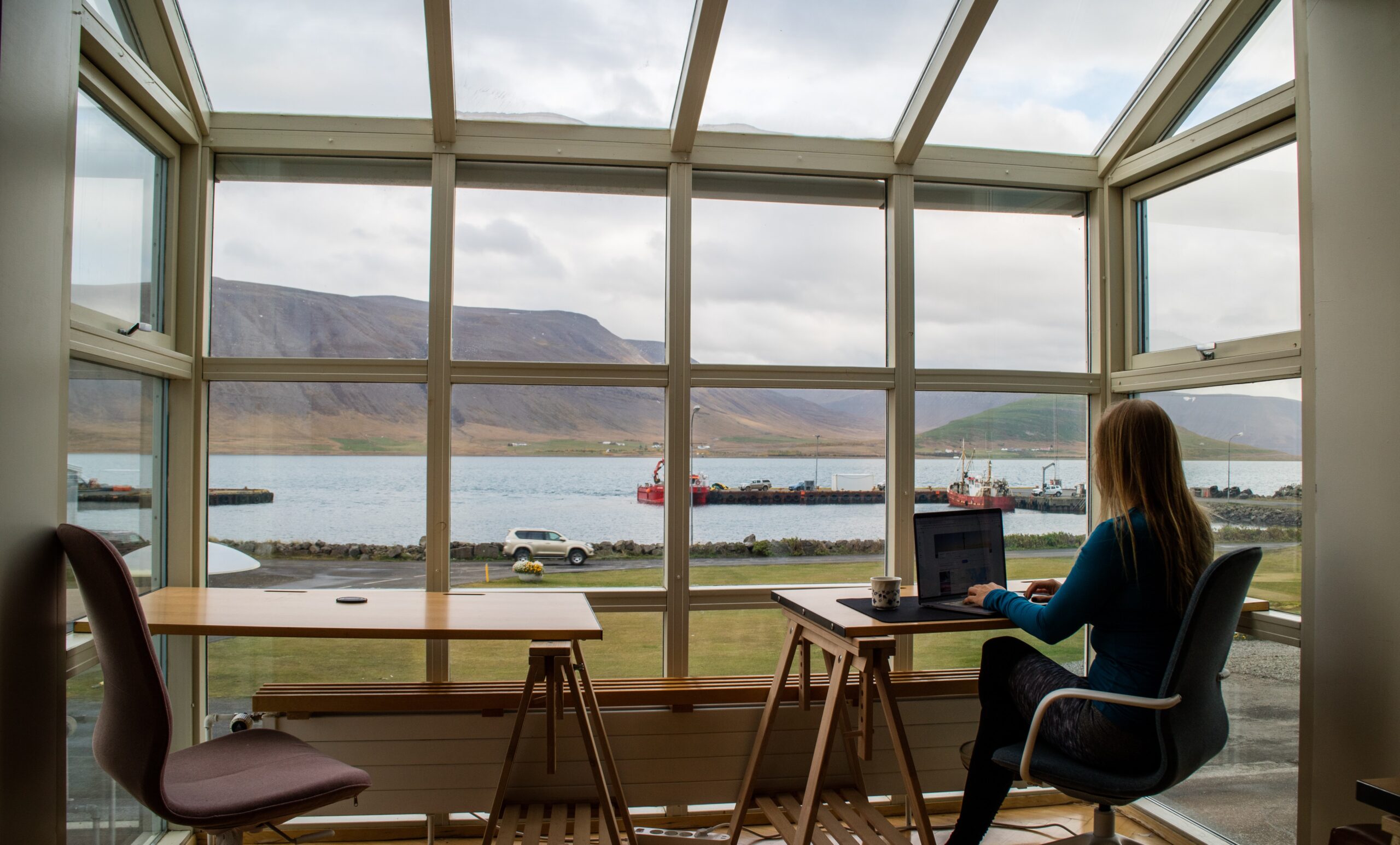
The freedom from the restrictions of a conventional 9-to-5 schedule is one of the advantages of remote employment. Remote workers can change their working hours to accommodate medical appointments, pick up children from school, or just spend more time with their loved ones. This increased autonomy over one’s everyday activities lessens the strain of balancing work and personal obligations and promotes a sense of empowerment.
Additionally, workday flexibility increases well-being by lowering chances of burnout, boosting mental health, and improving job satisfaction. This harmony between work and personal life enhances general well-being, which leads to higher productivity and greater employee engagement and motivation.
4. Attraction and Retention of Talent
Talented people always seek jobs that provide flexibility and a good work-life balance. Companies can demonstrate their dedication to these demands by providing remote work opportunities, which increases their appeal to prospective employees. This competitive advantage is particularly noticeable in sectors with a high demand for specialized talents.
Furthermore, remote employment promotes diversity. Building teams with employees from various backgrounds and geographical locations gives businesses access to a wider range of perspectives and creative solutions.
5. Business Continuity and Disaster Preparedness
The COVID-19 pandemic served as an unprecedented global wake-up call, highlighting the critical significance of business continuity and disaster preparedness. In the face of an unforeseen and highly disruptive crisis, remote work emerged as a lifeline for organizations seeking to maintain their operations when traditional office spaces became inaccessible.
By allowing businesses to smoothly switch to a distributed labour model, the adaptability of remote became apparent. Employees suddenly found themselves working from couches, kitchen tables, and home offices while still collaborating, coming up with new ideas, and producing results. This adaptability helped to protect the livelihoods of numerous enterprises and individuals.
The lessons learned from this experience were profound, prompting many organizations to incorporate remote work into their long-term contingency plans. Companies recognized that the ability to shift to remote work could be the difference between survival and failure during future crises. As such, they have invested in the necessary technology, security protocols, and remote work policies to ensure they are well-prepared for future disruptions.
Conclusion
Remote work represents a fundamental shift in how we approach work; it is not just a passing trend. The emergence of remote work is due to many factors, including technical development, cost savings, enhanced work-life balance, higher productivity, talent acquisition, environmental advantages, and disaster readiness. Remote work will become a staple of the work culture, providing flexibility and possibilities for individuals and organizations as businesses and employees learn about its benefits.
