

Key Takeaways
- Understanding Your Electrical Needs Is Foundational
Begin by assessing your current and future power requirements, especially if your home office includes high-powered tech or multiple devices. This ensures your electrical system is both safe and functional. - Research Local Costs and Regulations
Costs for electrical work vary widely by region. Factor in material prices, labor rates, permit fees, and inspection requirements to set accurate expectations. - Create a Realistic and Detailed Budget
Include all foreseeable expenses—labor, materials, permits—and allocate 10–20% for unexpected costs. A comprehensive budget reduces financial stress mid-project. - Hire Qualified and Insured Electricians
Choose licensed professionals with strong reputations and experience in residential or home office projects. Their expertise can prevent costly mistakes and delays. - Get Multiple Detailed Quotes
Compare at least three estimates. Evaluate not just pricing, but scope of work, materials used, warranty terms, and customer reviews. - Track Spending and Stay Flexible
Use spreadsheets or budgeting tools to log real-time expenses. Be ready to shift funds if something unexpected arises without compromising safety or quality. - Communication is Key
Stay in regular contact with your contractor. Clear updates help anticipate cost changes and keep the project aligned with your budget and timeline.
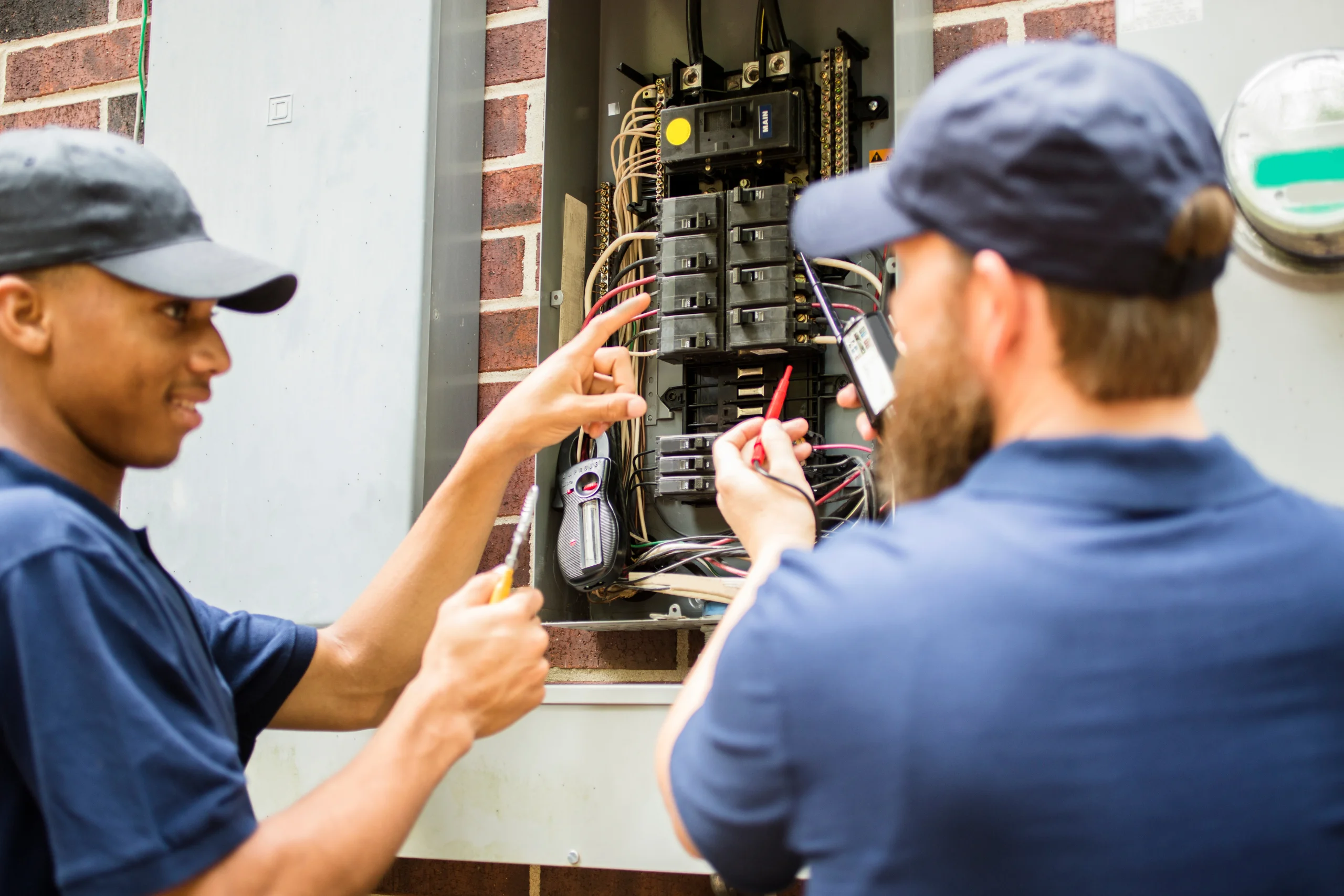
Major electrical work in your home office can be daunting, but it’s a crucial investment for safety, functionality, and efficiency. Proper budgeting ensures your project stays on track without compromising quality or safety. Whether installing new outlets, upgrading your wiring, or incorporating advanced electrical features for a tech-driven workspace, careful planning and budgeting can make all the difference.
Selecting a highly skilled professional Orlando electrician for your electrical project may seem expensive initially, but their expertise can save you costs in the long run. They can accurately identify, solve, and prevent potential electrical issues that might otherwise require expensive repairs.
Table of Contents

Step 1: Determine Your Electrical Needs
The foundation of any successful budgeting process for major electrical work begins with thoroughly understanding your home office’s specific requirements. This initial step sets the stage for all subsequent planning and ensures you allocate resources effectively.
Start by assessing the scope of work required for your home office. Are you adding a few new outlets, or does the project involve comprehensive rewiring or upgrading breaker panels? Perhaps you want to install energy-efficient lighting to reduce your long-term electricity costs. This evaluation is even more critical for a tech-heavy office setup with multiple devices and high-powered equipment. Identifying these needs early helps you prioritize tasks and prevents you from investing in unnecessary upgrades or features.
Next, take a detailed inventory of the devices and appliances you plan to use in your home office. Every device contributes to your overall electrical load, from computers and monitors to printers, external drives, and even air conditioning units. Listing them and calculating their combined power consumption will give you a clear idea of whether your existing system can handle the demand. This step is crucial to avoiding circuit overloads, disrupting your workflow and posing safety risks.
Consulting with a licensed electrician is another essential part of this process. An experienced professional can assess your office space, recommend appropriate upgrades, and accurately estimate the work involved. They can also identify potential issues you might not have considered, such as outdated wiring or insufficient circuit capacity, ensuring that your home office is functional but also safe and compliant with electrical codes.
By thoroughly evaluating your electrical needs, you can avoid overspending on unnecessary features while ensuring your setup supports your productivity. A clear understanding of what your home office requires allows you to focus your budget on areas that truly enhance functionality and safety, creating a workspace that meets your needs now and in the future.

Step 2: Research Costs and Services
To budget effectively for major electrical work in your home office, developing a realistic understanding of the associated costs and the range of services available is essential. This foundation ensures you can allocate resources wisely and avoid unexpected financial surprises as the project progresses.
Start by researching local pricing for common electrical services. The costs of tasks such as rewiring, outlet installation, and breaker panel upgrades can vary significantly depending on your location. Websites like CostHelper offer useful benchmarks for average prices in your area, helping you establish a baseline for what to expect. Remember that geographical differences, local labor rates, and regional demand can all influence pricing, so prioritize gathering data specific to your locality.
Next, take the time to compare multiple electricians. Don’t settle for the first contractor you come across—collect quotes from several professionals. Look for licensed electricians with strong reputations, as evidenced by positive customer reviews and testimonials. This step ensures you’re not only securing competitive pricing but also engaging someone with the expertise required for residential projects. A reliable electrician can make the difference between a smoothly executed job and one riddled with delays or subpar results.
Material costs are another critical component to consider in your budget. From wires and outlets to switches and breaker panels, these items can account for a significant portion of the overall expense. Prices often vary based on quality and brand, so be prepared to balance cost with durability and performance. High-quality materials might have a higher upfront cost but can save you money in the long run by reducing the need for repairs or replacements.
Finally, don’t overlook the potential need for permits and inspections. Many jurisdictions require permits for major electrical work, and the associated fees can vary. Additionally, your local authorities may mandate inspections to ensure compliance with safety codes. These requirements add to your overall budget, so it’s wise to research and account for them early. Failing to secure the necessary permits can result in penalties or delays, increasing both stress and costs.
By thoroughly researching costs and services, you lay the groundwork for a well-structured budget. This step not only helps you anticipate expenses but also positions you to make informed decisions about the contractors and materials you choose, ensuring your project runs smoothly and meets your expectations.

Step 3: Set a Realistic Budget
Creating a realistic budget is one of the most crucial steps in planning for major electrical work in your home office. A comprehensive budget accounts for all potential expenses and helps prevent delays or financial strain as the project progresses. When carefully constructed, it serves as a roadmap, ensuring every aspect of the project is accounted for and managed effectively.
To start, it’s essential to break down the project costs. These include labor, materials, permits, and an allocation for unexpected expenses. By understanding the components that make up the total cost, you gain greater clarity and control over where your money is going. This breakdown also lets you prioritize expenses and make necessary adjustments, ensuring the project remains within your financial means.
Labor costs often represent a significant portion of your budget. Electricians typically charge hourly rates that vary depending on their experience, qualifications, and project complexity. For example, rewiring an entire room or upgrading a breaker panel will demand more time and expertise than simpler tasks like installing outlets. Research local labor rates and ensure you hire licensed professionals to guarantee both quality and compliance with safety standards.
Material costs can also significantly impact your budget. Items like cables, outlets, switches, circuit breakers, and light fixtures are essential for the project’s success. While opting for the cheapest materials may be tempting, investing in high-quality components ensures durability and reduces the likelihood of future repairs. Additionally, energy-efficient materials may have a higher upfront cost but can lead to long-term savings on your utility bills.
A well-planned budget must include a contingency fund. Unforeseen issues, such as damaged wiring discovered during the project or the need for additional materials, are common in major electrical work. Setting aside 10-20% of your total budget as a contingency fund provides a financial buffer, ensuring the project can continue without disruption if unexpected expenses arise. This foresight reduces stress and keeps the project on track.
Consider discussing payment plans with your contractor if your project involves substantial expenses. Many electricians and companies offer flexible payment options, allowing you to spread the costs over time. This can make the project more manageable and reduce the immediate financial burden, especially for larger or more complex upgrades. Transparent communication with your contractor about payment terms ensures there are no surprises later on.
By setting a realistic budget, you position yourself for a successful and stress-free electrical upgrade. A well-thought-out budget not only safeguards against financial surprises but also helps maintain focus on creating a safe, efficient, and functional home office tailored to your needs.

Step 4: Plan for Contingencies
When undertaking major electrical work in your home office, unexpected issues are almost inevitable. From hidden wiring problems to additional materials or labor required mid-project, these unforeseen circumstances can disrupt your budget and timeline if you’re not adequately prepared. This is why planning for contingencies is essential to the success of your project. A well-thought-out contingency plan not only safeguards your finances but also ensures the work progresses smoothly, even when surprises arise.
Start by allocating funds specifically for high-priority tasks such as rewiring, circuit upgrades, or panel replacements. These elements are often the backbone of your project, so it’s crucial to ensure there’s room in the budget to address them without compromise. By setting aside resources for these essentials, you’re better equipped to manage unexpected costs in less critical areas, such as minor repairs or cosmetic adjustments.
Throughout the project, regularly reassess your costs and track expenses. Create a detailed record of all expenditures to compare them against your initial budget. This practice allows you to identify areas where costs may be exceeding expectations and make timely adjustments to avoid overspending. If, for instance, material prices fluctuate or additional labor is required, tracking expenses ensures that these changes are addressed promptly and don’t derail the overall budget.
Communication with your electrician is another vital aspect of contingency planning. Regular updates from your contractor can help you anticipate potential challenges before they escalate into major issues. For example, your electrician might discover outdated wiring or code violations that need immediate attention. By maintaining an open line of communication, you can collaborate on solutions and adjust your budget as necessary. This proactive approach minimizes delays and keeps the project on track.
It’s also wise to reserve 10-20% of your total budget specifically for contingencies. This buffer acts as a financial safety net, allowing you to cover unexpected expenses without impacting the rest of the project. Whether it’s purchasing additional materials, addressing unforeseen damage, or accommodating minor changes in the scope of work, a contingency fund provides the flexibility needed to handle surprises confidently.
Ultimately, a well-prepared contingency plan minimizes stress and ensures your project continues to move forward without unnecessary interruptions. By planning for the unexpected, you can tackle challenges head-on, protect your budget, and achieve your vision of a safe and efficient home office with minimal disruption.

Step 5: Evaluate Electrician Qualifications
Choosing the right electrician is one of the most important decisions when planning major electrical work in your home office. Your electrician’s expertise and professionalism directly impact the project’s quality, safety, and efficiency. A careful evaluation of their qualifications ensures you hire someone who can meet your needs and handle any challenges that may arise during the job.
Start by verifying the electrician’s credentials. Ensure they hold a valid license, demonstrating that they have met the required educational and practical training standards for performing electrical work. A licensed electrician is familiar with local building codes and regulations, reducing non-compliance risk. Additionally, check that they carry adequate insurance, including liability and worker’s compensation coverage. This protects you from potential financial liability if accidents or damages occur during the project.
Experience is another critical factor when evaluating electricians. Contractors with a proven track record in residential electrical work are often better equipped to handle the complexities of home office upgrades. For example, an experienced electrician can navigate challenges such as integrating advanced technology systems, upgrading circuit panels to handle increased loads, or rewiring older homes to meet modern standards. Their ability to anticipate and address potential issues can save you time and money while ensuring a smooth process.
Reputation is equally important when selecting an electrician. Take the time to research customer reviews, ratings, and recommendations. Online platforms, such as Google Reviews or industry-specific directories, can provide insights into the contractor’s professionalism, reliability, and quality of work. Additionally, ask for past clients’ references to better understand their performance on similar projects. A strong reputation often signals a contractor’s commitment to customer satisfaction and high-quality service.
Hiring a qualified electrician ensures your home office project is completed safely, efficiently, and to the highest standards. By thoroughly evaluating credentials, experience, and reputation, you reduce the risk of errors, delays, or subpar work. This careful selection process provides peace of mind, knowing your electrical system will be installed appropriately and equipped to support your needs for years.

Step 6: Get Multiple Quotes
When planning major electrical work for your home office, obtaining multiple quotes is critical in ensuring you receive the best value for your investment. Comparing quotes from several electricians helps you find a balance between cost and quality and allows you to assess the range of services offered by different contractors. This process requires careful attention to detail and should not be rushed, as it lays the foundation for a successful and cost-effective project.
Start by requesting detailed quotes from each electrician you’re considering. A thorough quote should include all anticipated costs, such as labor, materials, and permits, as well as a breakdown of any additional charges. For instance, if the project involves rewiring your home office, upgrading the breaker panel, or installing new outlets, the quote should clearly specify the costs associated with each task. This level of detail not only helps you compare prices but also ensures there are no hidden fees that could inflate your budget later.
Take your time when reviewing quotes, and don’t rush into a decision. Carefully compare the cost estimates and scope of work provided by each electrician. Check for discrepancies, such as missing services or significant price variations, which could indicate differences in quality or experience. Additionally, ask for references and research the contractor’s reputation online. Look for reviews that highlight their professionalism, reliability, and ability to complete projects on time and within budget. Asking about warranties or guarantees is also important, as these can provide added protection for your investment.
Negotiation is another valuable tool in the quote evaluation process. While many homeowners are hesitant to negotiate, most electricians are willing to discuss rates or adjust their services to fit within your budget. For example, you might be able to secure a discount on labor costs if the project is scheduled during a slower season, or negotiate additional services, such as a post-installation inspection, at no extra cost. Transparent and respectful communication can help you build a positive relationship with your contractor while ensuring you get the best possible deal.
Obtaining multiple quotes allows you to make an informed decision, balancing affordability with quality and reliability. By taking the time to evaluate detailed quotes, researching potential contractors, and negotiating where appropriate, you can confidently choose an electrician who will deliver excellent results without exceeding your budget. This proactive approach ensures your home office electrical project runs smoothly from start to finish.

Step 7: Track Expenses and Adjust
Effectively tracking your expenses throughout the course of an electrical project is essential to staying within budget and ensuring a smooth process. Without a clear system in place to monitor expenditures, even well-planned budgets can quickly spiral out of control. Careful expense tracking allows you to identify potential overspending early and make timely adjustments to keep your project on track.
Start by creating a detailed budget tracker. A spreadsheet is a practical tool for this purpose, offering a straightforward way to log expenses for labor, materials, permits, and other associated costs. Break down your budget into categories, such as electrician fees, materials (e.g., wiring, switches, outlets), and administrative costs like permits or inspections. Include columns for estimated costs, actual expenses, and any discrepancies, making it easy to spot where your spending differs from your initial projections.
| Type of cost | Estimated Expense | Actual Expenditure |
| Project Assessment | $500 | $550 |
| Material Purchases | $1200 | $1300 |
| Labor Costs (Electrical Contractor) | $2000 | $2200 |
| Miscellaneous Costs(Aftercare etc.) | $300 | $350 |
The table above is an approximate budget distribution. You can customize it with your figures to manage your expenses better.
Monitoring progress is just as important as creating a budget tracker. Regularly review the expenses logged in your tracker and compare them to your original budget. For example, if you notice that the cost of materials is trending higher than expected due to price increases or unexpected needs, you can address this promptly. Frequent reviews also help you assess whether the project is progressing within the planned timeline, as delays often lead to increased labor costs.
When unexpected costs arise, it’s crucial to reassess your budget and make necessary adjustments without compromising essential features. For instance, if additional wiring is required due to unforeseen issues in your home’s electrical system, consider reallocating funds from lower-priority items to cover the new expense. Maintaining flexibility in your budget allows you to address these surprises while still completing the project successfully.
Additionally, maintaining open communication with your electrician throughout the project is invaluable. Regular updates from your contractor can provide insights into upcoming expenses or changes in scope that may impact your budget. By staying informed, you can proactively adjust your financial plan rather than reacting to cost overruns after the fact.
Tracking expenses and making adjustments as needed is an ongoing process that ensures your project remains financially manageable. This practice not only helps you avoid overspending but also gives you greater control over the quality and progress of your home office electrical work. With consistent monitoring and a willingness to adapt, you can achieve a safe and efficient setup without unnecessary financial stress.
Conclusion: Electrify Your Budget
Budgeting for major electrical work in your home office doesn’t have to be overwhelming. By understanding your needs, researching costs, setting a realistic budget, and hiring qualified electricians, you can ensure your project’s success. Plan for contingencies, track expenses, and communicate openly with your contractor to stay on track and within budget. A well-planned budget not only saves money but also ensures a safe and efficient workspace tailored to your needs.
Frequently Asked Questions (FAQ)
Why is budgeting for home office electrical work different from general home renovations?
Budgeting for electrical upgrades in a home office requires special consideration because the space is used for business purposes and often houses high-tech equipment. Unlike standard residential renovations, a home office must meet higher reliability and safety standards. Power outages, overloaded circuits, or outdated wiring can severely disrupt your productivity and even damage expensive devices. Additionally, modern home offices may require specialized components such as surge protection, energy-efficient lighting, dedicated circuits for servers or printers, and even smart wiring solutions. These needs add complexity and cost. Therefore, a targeted budget ensures not just compliance and functionality, but uninterrupted business operations.
What should I include in my electrical work budget for a home office?
A comprehensive electrical work budget should account for labor, materials, permit and inspection fees, and a contingency fund for unexpected issues. Labor includes hourly charges from electricians, which vary by experience and complexity of work. Materials cover wires, outlets, circuit breakers, lighting, and other hardware. If local building codes require permits and inspections, their costs should be factored in early. It’s also critical to allocate 10–20% for unforeseen expenses like hidden wiring issues or the need for more advanced solutions than initially expected. A detailed spreadsheet can help you stay organized and adjust your plan as the project evolves.
How do I know if I need a full electrical upgrade or just minor work in my home office?
Determining the scope of your project depends on your current setup and how you use your office. If your home office only needs a couple of additional outlets or lighting upgrades, minor work may suffice. However, if you’re experiencing frequent power trips, using extension cords as a permanent solution, or planning to operate high-powered devices like servers, dual monitors, or industrial-grade printers, you may need a full upgrade. Other indicators include outdated breaker panels, lack of grounded outlets, or visible wiring issues. Consulting a licensed electrician is the best way to evaluate what your specific space needs.
Why should I get multiple quotes for the same electrical project?
Getting multiple quotes ensures you’re not overpaying and gives you insight into what’s included in each proposal. Each electrician may approach the job differently—one might recommend rewiring while another suggests a more targeted solution. Comparing three or more quotes helps you evaluate pricing transparency, timelines, warranty offers, material quality, and overall professionalism. It also gives you negotiation leverage. Even if the lowest quote is tempting, make sure to balance cost with quality and experience. Hiring based solely on price can lead to shortcuts, code violations, or the need for costly rework later.
What happens if unexpected issues arise during the electrical project?
It’s not uncommon for electrical projects to uncover hidden problems like outdated wiring, overloaded circuits, or code violations. That’s why contingency planning is essential. If issues arise, your pre-allocated contingency fund (typically 10–20% of the total budget) can cover these costs without derailing the project. Keep communication lines open with your electrician; they should notify you immediately if problems are discovered. Together, you can assess the impact on your timeline and finances. Having a buffer gives you the flexibility to make smart decisions on the fly, avoiding stress and ensuring the work remains compliant and safe.