

This article was first published on January 23, 2013, and last updated on May 28, 2026.
The pet industry continues to grow as more owners treat dogs, cats, and other animals like family. If you love animals and want to start a home-based business, these pet business ideas can help you turn that passion into a practical income opportunity.
Key Takeaways
- Pet owners are spending billions each year on food, services, care, grooming, toys, treats, and accessories.
- Many pet businesses can be started from home with modest startup costs, especially service-based ideas like pet sitting, dog walking, and pet waste removal.
- Trust is the biggest success factor because pet owners want to know their animals are safe, loved, and well cared for.
- Product-based businesses such as dog bakeries, pet toys, and pet accessories offer strong income potential but require careful attention to safety, labeling, and quality.
- The best pet businesses focus on a clear niche, repeat customers, and excellent communication with pet owners.
Pets are big business — and for many owners, they are also family. Dogs, cats, birds, rabbits, horses, and other companion animals are no longer treated as afterthoughts in the household budget. Owners buy premium food, pay for daycare, hire sitters, book grooming appointments, order birthday cakes, purchase holiday outfits, and look for services that make pet ownership easier and more enjoyable.
That creates real opportunities for entrepreneurs who love animals and want to start a business from home. According to the American Pet Products Association, U.S. pet industry spending reached $158 billion in 2025 and is projected to reach $165 billion in 2026. APPA also reports that 95 million U.S. households own at least one pet.
The good news is that many pet businesses do not require a storefront at the beginning. You may be able to start with local clients, online sales, weekend events, home-based services, or a small product line. But do not mistake “home-based” for “casual.” When people trust you with their pets, they expect professionalism, safety, reliability, and clear communication.
Before starting, research your local rules, zoning requirements, insurance needs, and any licenses that may apply. If you plan to sell pet food or dog treats, also review guidance from the U.S. Food and Drug Administration and AAFCO, since pet treats are generally regulated as animal food.
Here are pet business ideas you can start from home.

>> RELATED: Home Business Ideas: How to Start a Business from Home
Table of Contents
1. Pet Sitting: A Business Built on Trust
Pet sitting is one of the easiest pet businesses to start because it does not require a storefront or expensive equipment. Pet sitters care for animals while owners are working, traveling, recovering from illness, or away from home for long periods.
Services may include feeding, walking, playtime, litter box cleaning, medication reminders, overnight stays, and basic home-care tasks such as bringing in mail or watering plants. Some pet sitters visit once or twice a day, while others offer live-in care.
Why Pet Sitting Works
Pet owners often prefer pet sitting because animals can stay in a familiar environment instead of being boarded elsewhere. This is especially helpful for older pets, anxious pets, cats, and animals that do not adjust well to new surroundings.
The business also has strong repeat potential. Once a pet owner trusts you, they may call you every time they travel or need extra help. Holidays, summer vacations, business trips, and emergency situations can all create demand.
Pro Tip
Send photo updates, short behavior notes, and feeding confirmations after each visit. Pet owners love reassurance, and small communication touches can help you stand out from casual sitters.eft unattended for long periods. Hiring a sitter ensures pets remain comfortable in their own home, minimizing stress.
2. Dog Walking Service: Steady Recurring Income
A dog walking business helps busy owners make sure their dogs get regular exercise, bathroom breaks, and mental stimulation during the day. It is especially useful for working professionals, apartment dwellers, elderly owners, and families with high-energy dogs.
You can offer short potty breaks, private walks, group walks, puppy visits, or longer exercise sessions. Some dog walkers also provide feeding, basic training reinforcement, or transportation to grooming appointments.
Why Dog Walking Works
Dog walking can generate recurring income because many clients need service several times a week. Once you build a reliable schedule, you can create a route of repeat customers in the same neighborhood.
It also has relatively low startup costs. You may need leashes, waste bags, insurance, transportation, a website, and marketing materials, but you do not need a physical shop.
Pro Tip
Focus on a specific neighborhood or service area. A tight route saves travel time, improves profitability, and helps you become known locally as the go-to dog walker.

3. Doggie Daycare: Socialization for Pets, Convenience for Owners
Doggie daycare gives owners a safe place to leave their dogs during the day. Instead of being home alone, dogs spend time in a supervised environment with play, rest, exercise, and socialization.
This business can be started from home only if your zoning, property layout, insurance, and local regulations allow it. You need secure fencing, safe flooring, sanitation procedures, temperament screening, and a plan for managing dogs by size, energy level, and behavior.
Why Doggie Daycare Works
Many dog owners feel guilty leaving their dogs alone for long workdays. Doggie daycare solves that problem by giving dogs activity and companionship while owners are away.
It can also create multiple revenue streams. You may be able to add grooming, baths, nail trims, training, pickup and drop-off, birthday parties, or retail sales.
Pro Tip
Use temperament evaluations before accepting new dogs. A well-managed daycare is safer, calmer, and more appealing to owners than one that accepts every dog without screening.
4. Pet Boarding or Home-Based Kennel Services
Pet boarding gives owners a place to leave their pets overnight when they travel. Unlike pet sitting, where you visit the client’s home, boarding brings pets into your home or facility.
This can be a strong business if you have space, experience, and the ability to care for animals around the clock. However, it may require zoning approval, a kennel license, inspections, sanitation procedures, noise control, and liability insurance.
Why Pet Boarding Works
Pet boarding solves a major problem for owners who are traveling and want a safe, reliable place for their animals. Some owners prefer home-style boarding because it feels more personal than a large commercial kennel.
This business also benefits from seasonal demand. Holidays, school breaks, and summer travel periods can bring a surge in bookings.
Pro Tip
Create a detailed intake form for every pet. Ask about vaccinations, feeding routines, medications, behavior issues, emergency contacts, veterinary information, and comfort around other animals.
5. Pet Grooming or Mobile Grooming
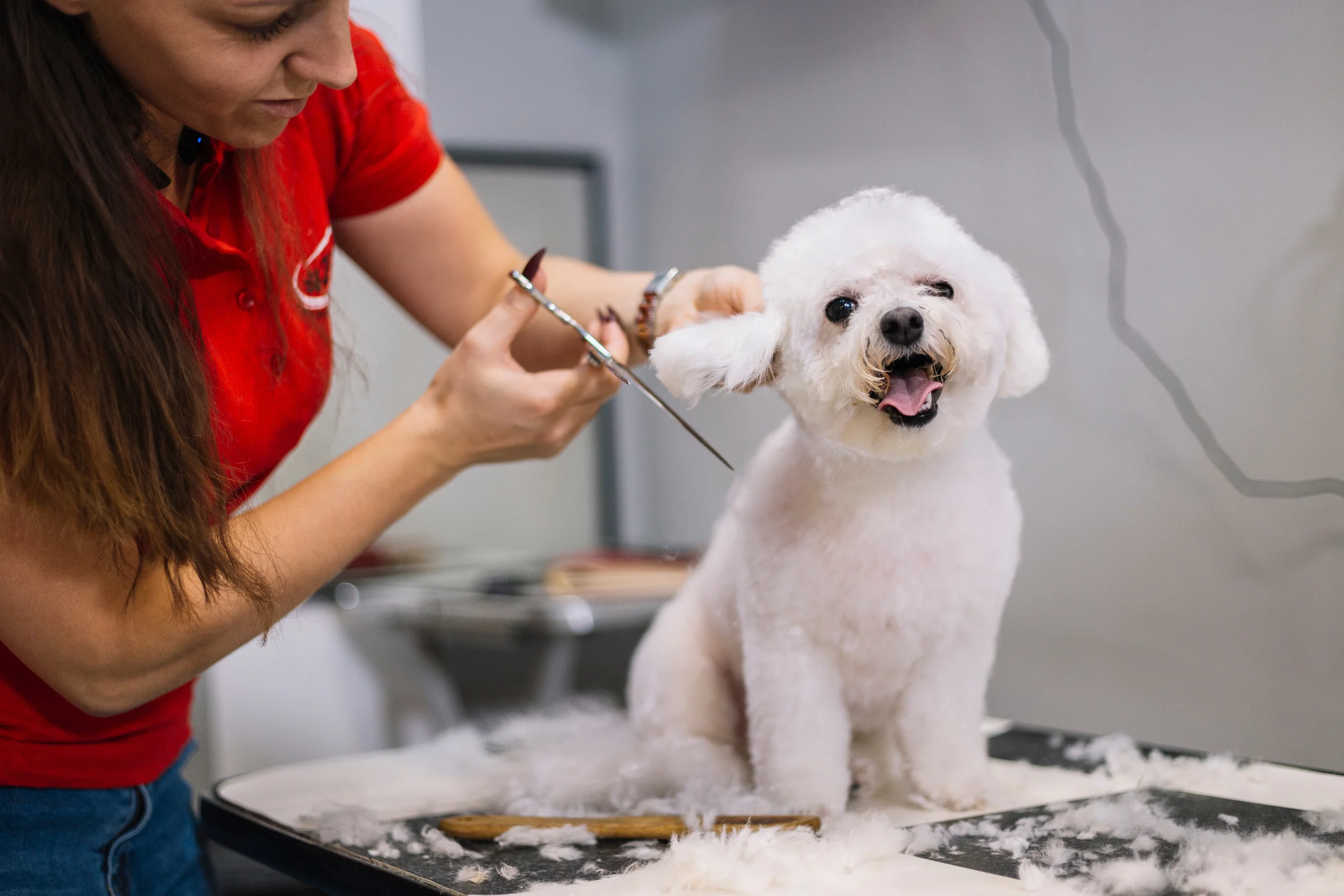
Pet grooming includes bathing, brushing, haircuts, nail trimming, ear cleaning, de-shedding, and coat maintenance. Many dogs need grooming regularly, especially long-haired breeds or pets with coats that mat easily.
You can run a grooming business from a home studio, mobile grooming van, or rented space, depending on your budget and local rules. Training is important because grooming involves sharp tools, nervous animals, skin sensitivities, and breed-specific coat needs.
Why Pet Grooming Works
Grooming is a repeat service. Dogs may need grooming every few weeks or months, which gives the business recurring income potential.
Mobile grooming is especially attractive to busy owners because it saves time and may be less stressful for pets that dislike traditional grooming salons.
Pro Tip
Start with basic services if you are new: baths, brushing, nail trims, and simple coat care. Expand into full grooming after training and experience.
6. Dog Obedience Training
Dog obedience training helps owners improve communication with their dogs and address behavior problems. Services may include puppy training, leash manners, basic commands, crate training, socialization, recall, and help with barking, jumping, chewing, or pulling.
You can offer private sessions, group classes, home visits, park sessions, or online coaching. However, this business requires real knowledge of animal behavior, safety, and humane training methods.
Why Dog Obedience Training Works
Many dog owners struggle with behavior issues but do not know how to correct them. A good trainer helps owners build confidence and create a better relationship with their pets.
Training can also pair well with other pet businesses. Dog walkers, sitters, daycare owners, and groomers may add basic training services after receiving proper education.
Pro Tip
Do not take complex aggression or severe anxiety cases unless you have the qualifications to handle them. Build a referral relationship with certified behavior professionals for advanced cases.
7. Pet Photography
Pet photography provides portraits of dogs, cats, horses, birds, and other beloved animals. Sessions may take place in a home studio, outdoors, at a client’s home, at a pet shop, or during special events.
You can offer family-and-pet portraits, holiday mini-sessions, adoption photos for rescues, birthday sessions, senior pet portraits, or memorial sessions for aging pets.
Why Pet Photography Works
Pet owners love keepsakes. Many view professional pet photos the same way they view family portraits, especially when the pet has been part of the family for years.
Pet photography also works well with seasonal promotions. Holiday cards, Valentine’s Day sessions, Halloween costume shoots, and “gotcha day” portraits can drive repeat bookings.
Pro Tip
Partner with groomers, dog daycares, rescues, and pet boutiques. A pet that has just been groomed or adopted is a natural candidate for a photo session.
8. Pet Clothing and Accessories
Pet clothing and accessories can include dog sweaters, raincoats, bandanas, collars, bow ties, harnesses, costumes, booties, blankets, beds, and matching owner-pet items.
This is a good home-based business for someone who enjoys sewing, crafting, design, branding, ecommerce, or social media marketing. You can sell through your own website, Etsy-style marketplaces, local pet boutiques, craft fairs, or social platforms.
Why Pet Clothing and Accessories Work
Pet owners buy accessories for both practical and emotional reasons. A dog coat keeps a small dog warm. A bandana makes a pet look cute in photos. A personalized collar makes a pet feel special.
This niche also benefits from holidays and seasons. Halloween costumes, Christmas bandanas, winter coats, and birthday accessories can all create promotional opportunities.
Pro Tip
Choose a focused niche instead of trying to sell everything. Examples include eco-friendly pet accessories, breed-specific sizing, luxury dog fashion, rescue-themed bandanas, or personalized gifts.

9. Handmade Pet Toys and Enrichment Products
Pet toys and enrichment products help animals play, exercise, reduce boredom, and stay mentally stimulated. Products may include tug toys, catnip toys, puzzle feeders, snuffle mats, chew toys, bird toys, plush toys, and treat-dispensing items.
This can be a home-based product business if you enjoy making things and understand pet safety. Toys must be designed carefully because pets chew, pull, swallow, and destroy items in ways humans may not expect.
Why Pet Toys Work
Pet toys are repeat purchases. Toys wear out, get lost, or need to be replaced. Owners also like buying seasonal toys, gift bundles, and enrichment products that keep pets busy.
This category is also highly visual, making it a good fit for social media videos, customer photos, and demonstration content.
Pro Tip
Include clear safety notes and size recommendations. A toy that is safe for one dog may be unsafe for another depending on chewing strength, size, and play style.
10. Pet Travel Accessories
More owners travel with their pets by car, plane, RV, and weekend getaway. Pet travel accessories help make those trips safer, cleaner, and more comfortable.
Products may include airline-compliant carriers, car seat covers, collapsible bowls, travel blankets, pet backpacks, crate mats, water bottles, pet first-aid kits, and cleanup kits.
Why Pet Travel Accessories Work
Pet travel solves a specific problem. Owners need products that make transportation easier, reduce mess, and keep pets comfortable away from home.
This business can work as an ecommerce store, product brand, affiliate site, or curated bundle business. It also pairs well with content such as pet travel checklists, road-trip guides, and hotel tips.
Pro Tip
Specialize by travel style. You could focus on road trips with dogs, airline travel for small pets, RV pet gear, senior pet travel, or adventure accessories for active dogs.
11. Pooper Scooper and Pet Waste Removal Service
A pooper scooper service removes pet waste from yards, apartment communities, HOAs, dog parks, and rental properties. It may not sound glamorous, but it solves a problem many pet owners dislike handling themselves.
Services can include weekly cleanup, twice-weekly cleanup, one-time deep cleaning, litter box cleaning, deodorizing, and pet waste station maintenance for commercial properties.
Why Pet Waste Removal Works
This business has strong recurring revenue potential. Customers often need cleanup every week, which can create predictable routes and steady income.
Startup costs are also relatively low. You need basic equipment, transportation, gloves, waste bags, sanitizing supplies, and local marketing.
Pro Tip
Sell recurring plans instead of only one-time cleanups. Weekly service packages create more predictable income and make scheduling easier.

12. Dog Bakery or Gourmet Pet Treat Business
A dog bakery sells dog-friendly treats, biscuits, cakes, cookies, pupcakes, birthday cakes, seasonal gift boxes, and specialty snacks. This is a creative business for people who enjoy baking, packaging, branding, and selling products.
Dog bakery products can be sold through local pickup, farmers markets, pet events, online orders, wholesale accounts, groomers, dog daycares, pet boutiques, or eventually a storefront.
Why a Dog Bakery Works
Pet owners love celebrating their dogs. They buy birthday cakes, holiday treats, adoption-day gifts, and special rewards because it makes them feel good to include their pets in family moments.
Dog treats can also be highly giftable. A decorated cookie, birthday box, or seasonal treat bundle often has more emotional appeal than an ordinary bag of biscuits.
However, dog treats are generally regulated as animal food. The FDA explains that pet food labeling is regulated at the federal and state levels, and required label elements may include product identity, net quantity, business information, and ingredient listing. AAFCO also provides startup and labeling resources for small pet food and treat manufacturers.
For a detailed startup guide, read StartingNewBiz’s article on how to start a dog bakery business.
Pro Tip
Research every ingredient carefully. The ASPCA warns that foods such as chocolate, xylitol, alcohol, coffee, grapes, raisins, and macadamia nuts should not be fed to pets.
13. Pet Spa or Pampering Service
A pet spa offers premium grooming and pampering services such as specialty baths, paw treatments, coat conditioning, de-shedding, nail polishing, gentle massage-style relaxation, or spa packages.
This type of business can be offered as a standalone service or added to grooming, daycare, boarding, or mobile pet care.
Why a Pet Spa Works
Some pet owners want more than basic grooming. They are willing to pay for comfort, presentation, convenience, and a premium experience.
A pet spa can also increase the average sale for existing pet service businesses. A daycare could add bath packages. A groomer could add seasonal spa upgrades. A boarding business could offer a “go home fresh” package.
Pro Tip
Do not use products simply because they smell good or look luxurious. Make sure shampoos, sprays, conditioners, and treatments are pet-safe and appropriate for the animal’s skin and coat.
14. Specialized Working Dog or Security Dog Services
The older version of this article included guard dog rental as a pet business idea. This can be a real niche, but it is not a beginner-friendly home business.
Security dog services may involve trained dogs for construction sites, warehouses, private properties, or specialized protection needs. However, this business involves serious liability, advanced training, insurance, licensing, and safety concerns.
Why This Business Works
For experienced trainers, working dog services can serve a specialized market where clients need security, detection, obedience, or working-dog support.
However, this idea is best suited for people with professional dog training experience, strong legal guidance, and proper insurance.
Pro Tip
If you are new to pet businesses, start with safer services such as obedience training, dog walking, pet sitting, or pet products. Do not enter security-related dog work without advanced expertise and professional support.

How to Choose the Right Pet Business Idea
The best pet business depends on your skills, space, budget, schedule, and risk tolerance.
Ask yourself:
- Do I want to work directly with animals every day?
- Do I prefer a service business or a product business?
- Can I work weekends, holidays, or early mornings?
- Do I have space for boarding, daycare, or grooming?
- Am I willing to get training, permits, insurance, or certifications?
- Do I want local clients, online customers, or both?
- Can I handle the physical demands of walking, cleaning, grooming, or lifting animals?
- Do I enjoy marketing and customer communication?
If you want the lowest startup cost, dog walking, pet sitting, or pet waste removal may be the easiest places to begin. If you are creative, pet photography, dog treats, toys, or accessories may be a better fit. If you have more space and experience, boarding, daycare, grooming, or training may offer higher income potential but more responsibility.
Practical Startup Steps for a Home-Based Pet Business
Research Your Local Market
Look at pet services already available in your area. Study dog walkers, pet sitters, groomers, dog daycares, pet photographers, pet boutiques, and dog bakeries. Review their pricing, services, customer reviews, and positioning.
Choose a Clear Niche
A focused offer is easier to market than a general one. Instead of saying “pet services,” you might specialize in puppy visits, senior pet sitting, small-dog grooming, dog birthday cakes, eco-friendly pet accessories, or weekly yard cleanup.
Check Local Rules
Requirements vary by business type and location. Boarding, daycare, grooming, and dog treat businesses may have more rules than pet sitting or dog walking. Check with your city, county, state, insurance provider, and any relevant regulatory office.
Create a Simple Business Plan
A business plan helps you clarify your services, target market, pricing, startup costs, marketing strategy, and revenue goals. The U.S. Small Business Administration offers guidance on writing a business plan.
Get Insurance
Pet businesses carry risks. A dog could bite someone, escape, get injured, damage property, or become ill while in your care. Product businesses may also need liability protection. Talk with an insurance provider about the right coverage for your business model.
Build Trust Online
Create a simple website or landing page explaining your services, service area, pricing, policies, experience, and contact information. Add testimonials as soon as possible. A Google Business Profile can also help local customers find you.
Common Mistakes to Avoid
Treating the Business Like a Hobby
Pet owners expect professionalism. Use written agreements, clear policies, reliable scheduling, and proper communication.
Underpricing Your Services
Calculate your time, supplies, travel, insurance, taxes, marketing, and profit margin. Cheap pricing can lead to burnout.
Ignoring Insurance
Insurance is essential if you are caring for animals, entering homes, transporting pets, selling products, or operating from your property.
Taking Every Client
Not every pet or owner is a good fit. Screen clients carefully, especially for boarding, daycare, grooming, walking, and training.
Expanding Too Quickly
Start with one focused offer, build systems, and expand gradually. Adding too many services too soon can hurt quality.

Final Thoughts
A pet business can be rewarding, flexible, and profitable, but it should be treated like a real business from the start. Pet owners are trusting you with animals they love, and that trust must be earned through reliability, safety, professionalism, and genuine care.
The best opportunity is the one that fits your skills, market, space, and personality. Whether you choose pet sitting, dog walking, grooming, photography, dog treats, accessories, or waste removal, start with a clear niche and deliver excellent service.
The pet industry is large, but local trust still matters. If you can solve a real problem for pet owners and make them feel confident in your care, you can turn your love for animals into a strong home-based business.
Frequently Asked Questions (FAQs)
What is the easiest pet business to start from home?
Pet sitting and dog walking are often the easiest pet businesses to start from home because they usually require lower startup costs than grooming, boarding, daycare, or retail products. You may need insurance, transportation, basic supplies, a simple website, and local marketing, but you do not necessarily need a storefront or expensive equipment. However, easy to start does not mean effortless. You still need reliability, animal-handling skills, clear policies, and strong communication. Pet owners want someone they can trust completely, so professionalism is what separates a serious business from casual side work.n a large city with a high density of pet owners, the earning potential can be even greater.
Do I need a license to start a pet business?
It depends on the type of business and where you live. A dog walking or pet sitting business may have fewer licensing requirements than a boarding kennel, dog daycare, grooming salon, or dog bakery. If pets come into your home, zoning or kennel rules may apply. If you sell dog treats or pet food, you may need to follow state feed rules, labeling requirements, and animal food regulations. Always check with your city, county, state, and insurance provider before launching.
Is a dog bakery a good home-based business?
A dog bakery can be a good home-based business for someone who enjoys baking, branding, packaging, and local marketing. It can start small through local pickup, farmers’ markets, pop-up events, online orders, or wholesale partnerships with groomers and pet boutiques. However, dog treats are generally regulated as animal food, so you need to understand ingredient safety, labeling, sanitation, and state rules. For a deeper guide, read StartingNewBiz’s article on how to start a dog bakery business.
How much money can a pet-sitting business make?
Income depends on your location, rates, number of clients, and services. A part-time pet sitter may earn supplemental income from a few weekly visits, while a full-time sitter with recurring clients, overnight stays, holiday bookings, and add-on services can build a more substantial business. The strongest pet sitters often earn more by offering premium service, excellent communication, photo updates, medication support, and reliable holiday coverage. Repeat clients are especially valuable because pet care is often a recurring need.
What pet business has the highest profit potential?
The highest profit potential often comes from businesses that can scale, add services, or sell higher-margin products. Dog daycare, boarding, grooming, dog training, dog bakeries, pet accessories, and wholesale pet products may offer strong income potential, but they also require more systems, investment, and risk management. Service businesses such as dog walking and pet sitting may have lower startup costs but are more limited by your time unless you build a team.
How do I market a pet business?
Start locally. Build a simple website, create a Google Business Profile, ask happy clients for reviews, and partner with groomers, veterinarians, trainers, rescue groups, dog daycares, and pet boutiques. Use social media to share helpful tips, behind-the-scenes photos, customer pet photos, seasonal promotions, and educational content. Trust is especially important in the pet industry, so include testimonials, clear policies, proof of insurance if appropriate, and professional photos.
Can I run a pet business part time?
Yes, many pet businesses can begin part time. Dog walking, pet sitting, pet photography, pet accessories, dog treats, and pet waste removal can often be started around another job. However, your availability must match customer needs. Pet sitting and boarding are busiest during holidays and travel seasons. Dog walking may require midday availability. Dog bakeries may need weekend markets or seasonal order windows. Starting part time can be a smart way to test demand, but you still need professional policies, pricing, and customer service from the beginning.