
Image via Pexels
Billing rarely gets much attention when everything is working. An invoice goes out, the customer pays it, the payment is recorded, and everyone moves on. But when the process breaks down, even slightly, the effects spread quickly. Invoices go out late, customers question charges, payments become harder to match, and employees spend hours solving problems that should have been routine.
For a small business, those problems are more than administrative annoyances. Billing affects cash flow, customer relationships, financial reporting, and the amount of time the owner or finance team has available for more productive work. A company can be profitable on paper and still struggle if too much of its revenue is sitting in unpaid invoices.
Fortunately, improving billing usually does not require rebuilding the entire finance operation. The biggest improvements often come from establishing clear rules, removing unnecessary manual work, making it easier for customers to pay, monitoring receivables consistently, and documenting what should happen when something goes wrong.
The goal is not simply to “send invoices faster.” It is to create a billing system that reliably moves a completed sale or service from work performed to invoice issued to payment received and correctly recorded.
Key Takeaways
- Clear payment terms reduce confusion about when, where, and how customers should pay.
- Standardized customer and invoice data should come before heavy automation.
- Automated invoicing and reminders can remove repetitive administrative work, but the system still needs human oversight.
- Giving customers convenient payment options works best when those payments flow into one centralized tracking and reconciliation process.
- Aging reports and consistent follow-up help prevent overdue invoices from becoming serious collection problems.
- Payment security, documentation, staff training, and access controls should be treated as part of billing operations rather than separate concerns.
- Businesses should measure billing performance so they can identify recurring delays, errors, disputes, and cash-flow bottlenecks.
Table of Contents
- Establish Clear Billing Policies and Terms
- Standardize Customer and Invoice Information
- Automate Invoice Generation and Delivery
- Centralize Payment Collection
- Reconcile Payments and Accounting Records
- Monitor and Follow Up on Outstanding Invoices
- Resolve Billing Disputes Quickly
- Train Your Team and Maintain Documentation
- Track Billing Performance
- Prepare for Billing Disruptions
- A Practical 30-Day Billing Cleanup Plan
- Common Billing Mistakes to Avoid
- Frequently Asked Questions
- Conclusion

1. Establish Clear Billing Policies and Terms
A smooth billing process begins before the invoice is ever created. Customers should understand what they are buying, what it costs, when payment is expected, and what happens if circumstances change. When those expectations are vague, the finance team ends up trying to resolve problems that could have been prevented during the sales or onboarding process.
Put payment expectations in writing and make them easy to find. For service businesses in particular, written agreements can clarify deliverables, pricing, deposits, payment schedules, change requests, cancellations, and other obligations. PowerHomeBiz’s guide on how to successfully start and run a service business discusses why written contracts and clear client expectations matter.
At minimum, billing terms should address:
- when an invoice will be issued;
- the payment due date;
- whether a deposit is required;
- whether progress or milestone payments apply;
- accepted payment methods;
- who pays processing or transaction fees, where permitted;
- how disputed charges should be reported;
- whether early-payment discounts are offered; and
- what happens when an account becomes overdue.
Consistency is generally easier to manage than a collection of one-off arrangements. If most customers can operate under net-15 or net-30 terms, for example, establish that as the default rather than negotiating a completely different payment arrangement every time.
There will still be exceptions. Large customers may have their own purchasing procedures. Long-term customers may qualify for different credit terms. Project-based businesses may need deposits and progress payments rather than a single due date. The important point is to document why an exception exists and who is authorized to approve it.
Be particularly careful with late-payment fees or interest. Requirements can vary depending on the contract, customer type, jurisdiction, and industry, so businesses should confirm that their policies comply with applicable law before charging them.
Clear financial policies also make broader financial management easier because management can forecast when revenue should turn into actual cash rather than simply relying on sales totals.
2. Standardize Customer and Invoice Information
Automation cannot compensate for bad information. If customer names are inconsistent, billing addresses are outdated, purchase-order numbers are missing, or different employees use different product descriptions, faster invoice generation may simply produce mistakes faster.
Before adding more technology, standardize the information that enters the billing process. Decide which fields are mandatory and make sure the same information follows the customer from sales or onboarding into accounting.
A useful customer billing record might include:
- legal or business name;
- billing contact;
- billing email address;
- mailing address when applicable;
- tax information where required;
- agreed payment terms;
- preferred or required payment method;
- purchase-order requirements;
- contract or project number;
- salesperson or account manager; and
- any special invoicing instructions.
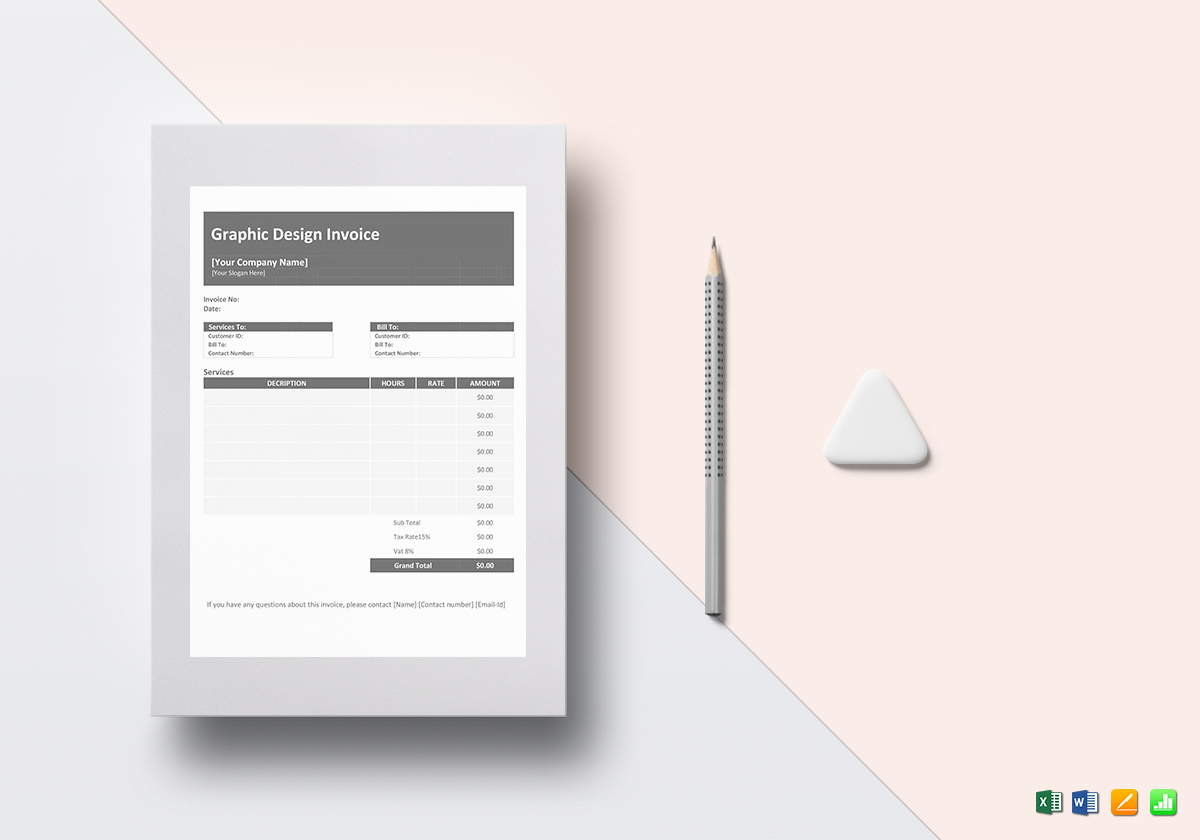
Invoices should also follow a consistent format. Use unique invoice numbers, clear invoice dates and due dates, understandable descriptions, quantities or hours where appropriate, taxes and discounts, the total amount due, and straightforward payment instructions.
This becomes especially important when customers have their own accounts-payable systems. A perfectly valid invoice may still sit unpaid if it is missing a purchase-order number, project code, vendor number, approval reference, or other information required by the customer’s payment process.
Standardization therefore serves two purposes: it reduces your own administrative errors and makes the invoice easier for the customer to approve.
3. Automate Invoice Generation and Delivery
Manual billing works when a business has only a few customers. It becomes increasingly fragile as transaction volume grows. Someone has to remember that a project finished, calculate the charge, create the invoice, check the address, attach supporting documents, send the email, schedule a reminder, and eventually verify payment.
Each handoff creates an opportunity for delay.
Good invoicing automation removes repetitive work without removing control. Depending on the business, invoices may be triggered when an order ships, a project milestone is approved, a recurring billing date arrives, billable hours are submitted, or a subscription renews.
Automation can also help with:
- recurring invoices;
- invoice numbering;
- tax calculations;
- customer-specific templates;
- electronic delivery;
- payment links;
- scheduled reminders;
- recurring billing;
- account statements; and
- synchronization with bookkeeping or accounting software.
PowerHomeBiz’s accounting and bookkeeping resources provide additional guidance on the financial systems small businesses need as they grow.
But automation should not mean “set it and forget it.” Periodically review the output. Confirm that prices are current, tax settings are correct, billing contacts remain valid, duplicate invoices are not being created, and reminders are not being sent to customers who have already paid.
Timing matters as well. Do not wait days or weeks after completing the work to invoice a customer. Build invoice generation into the completion process itself so billing is a normal final step rather than an administrative task someone remembers later.
The faster completed work becomes an accurate invoice, the sooner the payment clock can begin.
4. Implement a Centralized Payment Collection System
Customers increasingly expect convenient ways to pay. Depending on the type of business, that might include ACH transfers, cards, electronic checks, bank transfers, checks, or other digital payment options. Offering appropriate choices can remove unnecessary friction, but providing more payment methods should not create more accounting confusion.
The key is to centralize what happens after the customer pays.
A well-designed payment system should allow the business to determine:
- which customer made the payment;
- which invoice or invoices it covers;
- the gross payment amount;
- any processing fee;
- the amount actually deposited;
- payment date;
- payment method; and
- whether any amount remains outstanding.
A customer portal can be particularly useful. Instead of searching old emails, customers can view open invoices, download copies, review payment history, and pay from one place. That reduces back-and-forth communication and gives both sides a clearer picture of the account.
Payment convenience should also be balanced with security. The Federal Trade Commission’s guidance on protecting personal information recommends limiting unnecessary access to sensitive information and protecting the information a business retains. Businesses that accept card payments should also review the PCI Security Standards Council’s merchant resources and work with reputable payment providers.
As a practical rule, avoid collecting or storing sensitive payment information that your business does not actually need. Let qualified payment processors handle card data whenever possible, restrict employee access according to job responsibilities, use strong authentication, and periodically review who can access financial systems.
5. Reconcile Payments and Accounting Records
Receiving money is not the end of the billing process. The payment has to be matched to the correct invoice and properly recorded. Otherwise, the customer may continue receiving overdue notices even though payment was made, while the company’s accounting records show money that cannot be explained.
Reconciliation becomes especially challenging when customers combine several invoices into one payment, make partial payments, deduct credits, dispute part of an invoice, or use a payment processor that deposits the net amount after deducting fees.
Create a procedure for handling these situations rather than allowing employees to improvise.
For example, reconciliation should answer questions such as:
- How are partial payments recorded?
- How are processor fees separated from customer revenue?
- Who investigates an unidentified bank deposit?
- How are customer credits applied?
- What happens if a customer overpays?
- How are refunds documented?
- How quickly should payments be posted to customer accounts?
The IRS’s Publication 583 explains the importance of keeping records that support business income and expenses. PowerHomeBiz also offers a detailed guide to good record keeping for your small business.
Good records are useful for more than tax preparation. They make it easier to understand customer behavior, investigate discrepancies, evaluate cash flow, prepare financial statements, and determine whether the billing process is actually working.
6. Monitor and Follow Up on Outstanding Invoices
Even an excellent billing system will produce overdue accounts. Customers forget. Emails land in spam folders. Invoices get routed to the wrong department. Managers overlook approval requests. A customer may also be experiencing a legitimate cash-flow problem.
The mistake is allowing overdue invoices to sit unnoticed.
Review accounts receivable on a regular schedule. Small businesses with significant invoice volume may want to review aging every week; businesses with fewer transactions may be able to do it less frequently. What matters is having a defined process rather than checking receivables only when the company’s own cash becomes tight.
An aging report typically groups unpaid invoices by how long they have been outstanding, such as:
- Current
- 1-30 days overdue
- 31-60 days overdue
- 61-90 days overdue
- More than 90 days overdue
Then assign an action to each stage.
An invoice that has just passed its due date might receive a polite automated reminder. An account that is several weeks overdue may warrant personal contact. A significantly delinquent account may require escalation to the account manager, owner, collections process, or professional adviser.
Keep the tone professional and assume good faith initially. The first contact can simply confirm that the customer received the invoice and ask whether anything is preventing payment.
Document every interaction. Notes should include when contact was made, who was contacted, what the customer said, any promised payment date, and what follow-up is required. This prevents multiple employees from unknowingly sending conflicting messages.
For businesses dealing with persistent cash shortages caused by slow customer payments, PowerHomeBiz’s cash flow management resources can help identify broader working-capital problems.
You can also track days sales outstanding (DSO) as the company grows. DSO estimates how long it takes to collect receivables. The exact number that is considered healthy depends heavily on the business model and payment terms, so the most useful comparison is often your own trend over time. If customers are consistently taking longer to pay, investigate why.

7. Resolve Billing Disputes Quickly
Not every unpaid invoice is a collection problem. Sometimes the customer genuinely disagrees with the amount being charged. Treating every disputed invoice as delinquent debt can damage an otherwise healthy customer relationship.
Create a separate process for billing disputes. The goal should be to determine quickly whether the issue involves pricing, scope, quantities, taxes, duplicate billing, missing credits, purchase-order requirements, incomplete work, or a simple misunderstanding.
Assign someone responsibility for resolving the problem rather than bouncing the customer between accounting, sales, operations, and management.
Good supporting records make these situations much easier. Depending on the business, that may include:
- signed agreements;
- approved estimates;
- purchase orders;
- work orders;
- delivery confirmations;
- time records;
- change-order approvals;
- email approvals;
- receipts; and
- customer correspondence.
If the invoice is wrong, correct it quickly and explain what changed. If the charge is valid, show the customer the documentation supporting it.
Avoid allowing a small disputed amount to hold up an entire large invoice when the undisputed portion could reasonably be paid separately. The exact approach will depend on the contract and circumstances, but the larger principle is useful: resolve exceptions instead of allowing them to clog the entire billing system.
8. Train Your Team and Maintain Documentation
A billing system is only as reliable as the people operating it. Even well-designed software will produce inconsistent results if different employees follow different procedures or do not understand how their work affects the next step.
Training should therefore cover more than how to click through the accounting software. Employees should understand the complete billing cycle, including where invoice information originates, who approves charges, how payments are recorded, what to do when something does not match, and when a problem should be escalated.
New employees should receive structured onboarding covering:
- invoice requirements;
- customer setup;
- approval workflows;
- payment processing;
- account reconciliation;
- credits and refunds;
- overdue-account procedures;
- customer communication standards;
- security requirements; and
- escalation procedures.
For finance teams juggling high invoice volumes while keeping headcount lean, simple back office outsourcing lets staff focus on customer-facing billing tasks while routine administrative processing gets handled reliably behind the scenes.
Whether billing functions are performed internally or externally, document them. Create straightforward standard operating procedures for recurring tasks and unusual situations alike.
Documentation should identify not only what to do but also who is responsible. For example, one employee may create invoices, another may approve refunds above a certain amount, and only designated managers may change customer credit terms.
Review access to billing and payment systems periodically as well. Former employees should not retain access, and employees who do not need sensitive financial information should not receive broader permissions simply for convenience.
The process should survive vacations, employee turnover, rapid growth, and staff changes without forcing the business owner to reconstruct everything from memory.
9. Track Billing Performance
You cannot improve a billing process if you only notice problems when a customer complains or the bank balance runs low. A small set of billing metrics can reveal whether the system is improving or quietly getting worse.
The goal is not to create another complicated dashboard. Choose measurements that reveal delays, errors, or cash-flow problems and review them consistently.
Useful billing metrics include:
Invoice cycle time
How long does it take between completing the work or sale and actually sending the invoice?
A growing delay suggests there is a bottleneck between operations and finance.
Percentage of invoices paid on time
This tells you whether customers are generally meeting the terms you have established.
If the percentage falls, look for changes in customer mix, invoice quality, payment terms, or follow-up practices.
Accounts receivable aging
Track how much money sits in each aging category and watch whether the older categories are growing.
Days sales outstanding
DSO helps show how quickly credit sales are turning into cash. Trends are often more informative than a single month’s number.
Billing error rate
Track invoices requiring corrections, credits, or reissues. A rising error rate may signal problems with pricing data, customer setup, staff training, or software integrations.
Dispute rate
If the same kinds of disputes occur repeatedly, the problem may originate upstream in sales agreements, order entry, project management, or customer communication.
Unapplied cash
Payments that cannot be matched promptly to customer accounts deserve attention. Large amounts of unapplied cash can distort both receivables and customer balances.
A short monthly billing review can identify these problems before they become major financial management issues.

10. Prepare for Billing Disruptions
Billing systems are increasingly dependent on software, internet access, payment processors, cloud accounting platforms, and integrations between different applications. That makes billing more efficient, but it also means businesses need a plan for what happens when one of those systems becomes unavailable.
Think through a few basic failure scenarios in advance. What happens if the invoicing platform is offline on the last day of the month? What if a payment processor temporarily stops working? Can the company retrieve its customer balances if a vendor account becomes inaccessible? Does anyone know how to perform critical billing tasks manually?
At minimum, businesses should know:
- how financial data is backed up or exported;
- who to contact when a vendor fails;
- how customers will be notified about payment-system problems;
- how emergency invoices can be issued;
- how temporary manual payments will be recorded;
- who has administrative access to critical systems; and
- how normal operations will be reconciled after service is restored.
This does not require an elaborate disaster-recovery program for every small business. A simple written contingency plan can prevent confusion at exactly the moment when employees are under the most pressure.
A Practical 30-Day Billing Cleanup Plan
Improving billing can feel overwhelming when invoices, customer records, accounting systems, and payment platforms have accumulated years of workarounds. Rather than trying to redesign everything at once, make improvements in stages. A month is enough time to identify the biggest problems, standardize the fundamentals, and put basic monitoring in place.
Week 1: Audit the Current Process
Map what happens from the moment a sale is completed until the payment is deposited and reconciled.
Identify:
- where invoice information originates;
- who creates invoices;
- who approves them;
- how long invoice creation takes;
- how invoices are delivered;
- available payment methods;
- how payments are matched;
- how overdue invoices are identified; and
- where employees are doing repetitive manual work.
Look particularly for tasks that depend on one person’s memory.
Week 2: Standardize the Basics
Create standard:
- customer information requirements;
- invoice templates;
- payment terms;
- approval rules;
- payment instructions;
- reminder language;
- dispute procedures; and
- aging categories.
Clean duplicate or outdated customer records while you are at it.
Week 3: Automate Carefully
Automate the predictable tasks first.
These may include:
- recurring invoices;
- invoice numbering;
- invoice delivery;
- payment confirmations;
- overdue reminders;
- customer statements; and
- accounting synchronization.
Test each automation with a small number of transactions before relying on it broadly.
Week 4: Establish Monitoring
Create a simple monthly dashboard that shows:
- total receivables;
- overdue receivables;
- aging balances;
- invoices sent late;
- billing errors;
- disputes;
- unapplied payments; and
- collection trends.
Then assign someone responsibility for reviewing it.
The goal after 30 days is not a flawless finance department. It is a repeatable process in which problems become visible quickly instead of remaining hidden.
Common Billing Mistakes to Avoid
Many billing problems do not come from one catastrophic failure. They grow from small habits that seem harmless: waiting a few days to invoice, accepting vague payment promises, letting every salesperson negotiate different terms, or failing to investigate recurring customer complaints. Over time, those habits can make cash collection slower and accounting considerably more difficult.
Watch for these common mistakes:
Waiting too long to send invoices
Completed work should trigger billing promptly. Delays simply push the expected payment date further into the future.
Using vague descriptions
“Services rendered” may not give a customer enough information to approve a payment. Describe the work clearly enough for the customer and its accounts-payable staff to understand what is being billed.
Allowing unlimited payment-term exceptions
Customized terms may sometimes be necessary, but every exception creates another rule employees must remember.
Sending invoices to the wrong person
The person who hired your company may not be the person who pays the bills. Confirm accounts-payable contacts and invoicing requirements during onboarding.
Making payment unnecessarily difficult
If customers repeatedly need to ask how or where to pay, simplify the instructions.
Relying entirely on automated reminders
Automation is valuable for routine follow-up, but important or significantly overdue accounts may need personal attention.
Ignoring small discrepancies
Unexplained payments, credits, duplicates, and customer balances tend to become harder to investigate with time.
Failing to document customer promises
If a customer says payment will arrive Friday, record the commitment and schedule follow-up.
Storing unnecessary payment information
Keeping sensitive payment data simply because the system allows it can create avoidable security risk. Use reputable payment providers and limit access to information your business actually needs.
Measuring sales but ignoring collections
A strong sales month does not automatically create strong cash flow. Revenue that remains unpaid cannot cover payroll, suppliers, rent, taxes, or other immediate obligations.

Frequently Asked Questions About Small Business Billing
Billing procedures vary considerably by industry, customer type, and business model, but small business owners tend to encounter the same practical questions as their companies grow. The following answers provide a starting point for building a more disciplined process.
How quickly should a business send an invoice?
Generally, send the invoice as soon as the contractual billing event occurs—such as project completion, delivery, a milestone, or the scheduled recurring billing date. Avoid creating unnecessary administrative delays between earning the revenue and requesting payment.
Should a small business require deposits?
Deposits can make sense for project-based businesses, custom work, large orders, or jobs requiring significant upfront labor or materials. The deposit amount and refund or cancellation conditions should be clearly stated before the customer commits.
What information should every invoice contain?
A typical invoice should clearly identify the business and customer, invoice number, invoice date, due date, goods or services supplied, amounts charged, taxes or discounts where relevant, total amount due, and payment instructions. Additional information may be necessary for particular customers or industries.
How often should outstanding invoices be reviewed?
The higher the invoice volume or receivable balance, the more frequently aging should be reviewed. Many businesses benefit from a weekly review because it identifies problems while the invoice and customer interaction are still relatively recent.
Should businesses accept multiple payment methods?
Offering appropriate payment choices can make payment easier for customers. However, the business should make sure all methods feed into a consistent tracking, reconciliation, and security process rather than creating disconnected financial records.
When should a late invoice be sent to collections?
There is no universal timetable. Consider the age and size of the invoice, the customer’s history, previous collection attempts, contractual terms, cost of collection, and likelihood of recovery. Businesses should also follow applicable debt-collection and other laws and obtain professional advice when necessary.
Can outsourcing help with billing?
Yes, particularly when recurring administrative tasks consume disproportionate staff time. However, the business should still retain oversight, establish clear procedures, control access to financial information, and monitor the quality and timeliness of outsourced work.
Conclusion
Smooth billing is not just an accounting concern. It connects sales, operations, customer service, cash flow, recordkeeping, and financial management. When any one of those functions sends incomplete or inaccurate information to the next, invoices slow down and problems multiply.
The strongest billing systems are usually not the most complicated. They are the most consistent. Customers know what they owe and when they owe it. Employees know what happens next. Payments can be traced. Exceptions have owners. Overdue accounts become visible quickly. Managers can tell whether performance is improving.
Start with the point creating the most friction today. If invoices are consistently late, fix the handoff between operations and billing. If customers regularly dispute charges, improve contracts and documentation. If payments arrive but cannot be matched, concentrate on reconciliation. If receivables keep getting older, strengthen the follow-up process.
Then improve the next bottleneck.
Over time, those small operational improvements add up to faster collections, cleaner records, fewer customer disputes, and a finance process that supports the business instead of constantly demanding attention.
