
When you’re cruising down the highway, your primary concern is safety—your own, your passengers’, and that of other drivers. One of the unsung heroes in helping achieve that goal is the humble yet powerful traffic message board. Often mounted above highways or positioned at roadside work zones, these digital signs provide real-time information that can save time, reduce frustration, and even prevent accidents.
This article explores the many ways traffic message boards help keep roads safer and drivers better informed. We’ll delve into their evolution, current applications, and the crucial role they play in modern traffic management.
Table of Contents
The Evolution of Traffic Message Boards
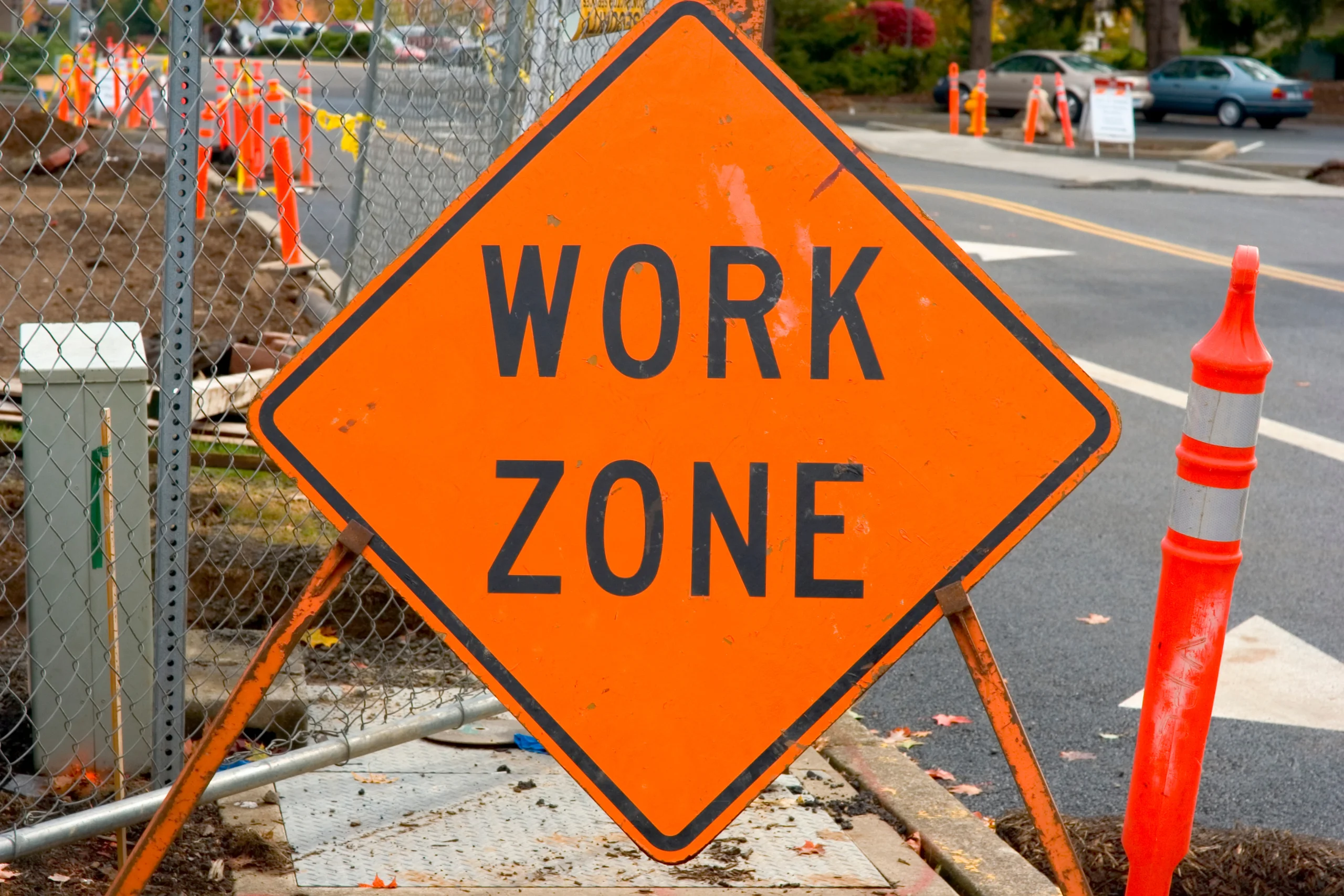
The concept of traffic signs dates back centuries, but electronic traffic message boards, also known as dynamic message signs (DMS) or variable message signs (VMS), have seen widespread adoption in the last few decades. Initially used for simple warnings such as “Caution: Road Work Ahead,” these boards have evolved to display highly dynamic, context-aware messages. Today’s boards are integrated into intelligent transportation systems (ITS) that pull data from cameras, sensors, and weather stations to deliver accurate, real-time updates.
With the growth of technology, many traffic message boards now employ high-resolution LEDs and solar power for greater visibility and energy efficiency. They are also often connected to centralized traffic management centers that allow operators to update messages instantly in response to changing road conditions.
Real-Time Traffic Updates
Perhaps the most critical function of traffic message boards is to provide real-time updates. When a car accident occurs, traffic congestion builds up, or hazardous weather conditions arise, the boards can alert drivers within seconds. These updates give drivers the opportunity to make informed decisions, whether that means taking an alternate route or proceeding with increased caution.
For instance, if there’s a multi-vehicle pileup a few miles ahead, a traffic message board might display, “ACCIDENT AHEAD – USE ALT ROUTE.” This not only helps divert traffic to avoid further congestion but also allows emergency services easier access to the scene.
Enhancing Work Zone Safety
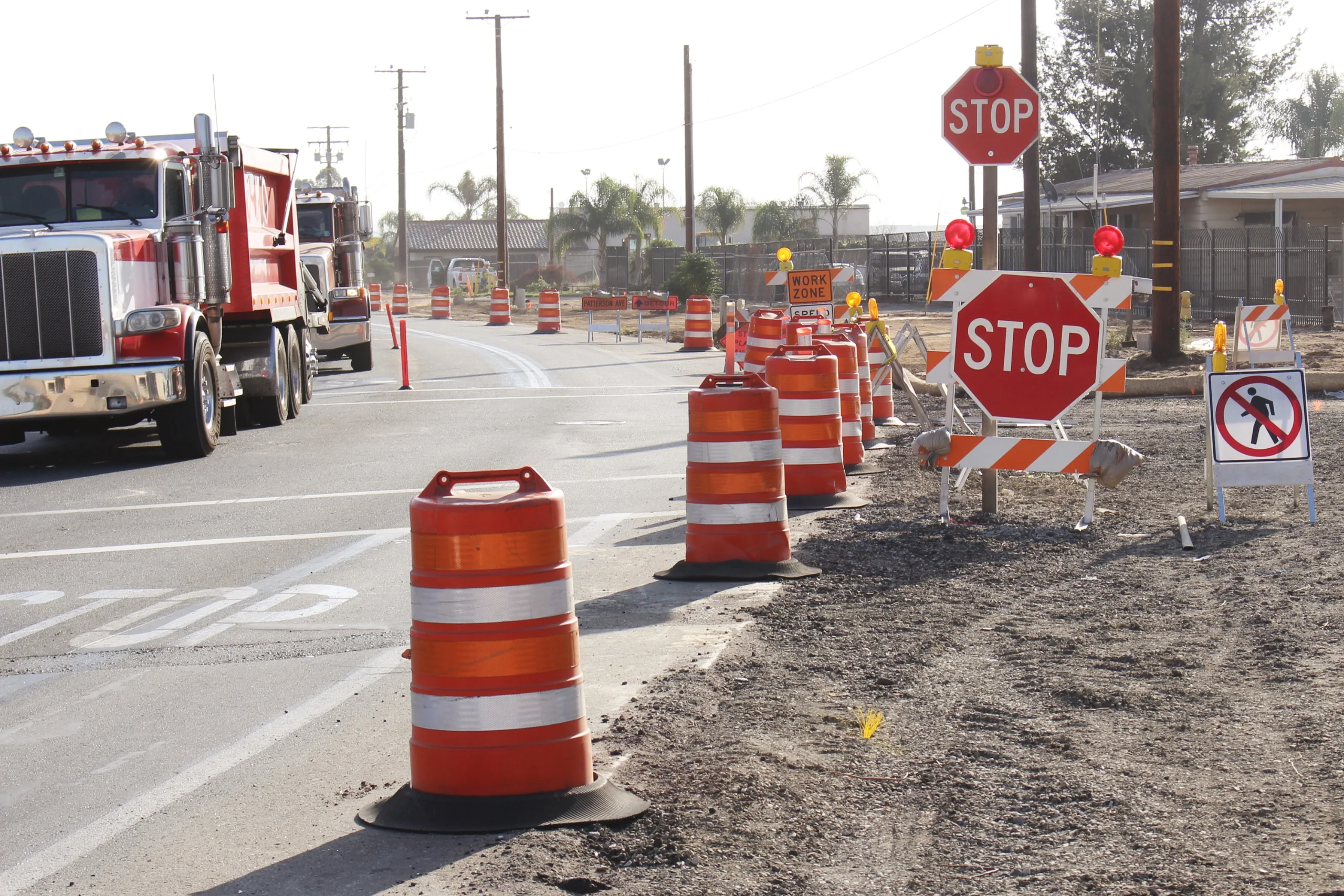
Construction zones are one of the most dangerous areas on highways, both for workers and drivers. Traffic message boards placed before and within these zones provide essential information such as lane closures, reduced speed limits, and detour routes.
Studies show that drivers are significantly more likely to reduce their speed and obey traffic laws when forewarned by a message board. For example, a sign might read: “ROAD WORK NEXT 5 MILES – LEFT LANE CLOSED – MERGE RIGHT.” This advance notice helps prevent last-minute lane changes, one of the leading causes of collisions in construction zones.
Weather and Environmental Warnings
Traffic message boards play a crucial role in delivering weather-related alerts. Sudden changes in weather, like fog, ice, or high winds, can drastically alter driving conditions. Equipped with data from weather monitoring systems, message boards can display warnings such as:
- “BLACK ICE POSSIBLE – DRIVE WITH CAUTION”
- “FOG AHEAD – REDUCE SPEED”
- “HIGH WINDS – TRUCKS USE RIGHT LANE”
These alerts empower drivers to adjust their behavior, improving overall safety and minimizing the risk of weather-related accidents.
Supporting Emergency Management
Traffic message boards are indispensable tools for crisis communication during natural disasters or public emergencies. They can guide evacuees to safe routes, inform drivers about road closures, and even broadcast Amber Alerts for missing children.
For example, during hurricanes or wildfires, evacuation orders can be disseminated rapidly: “MANDATORY EVACUATION – USE ROUTE 58 NORTH.” This immediacy helps authorities manage large-scale evacuations more effectively while reducing panic and confusion on the roads.
Reducing Traffic Congestion
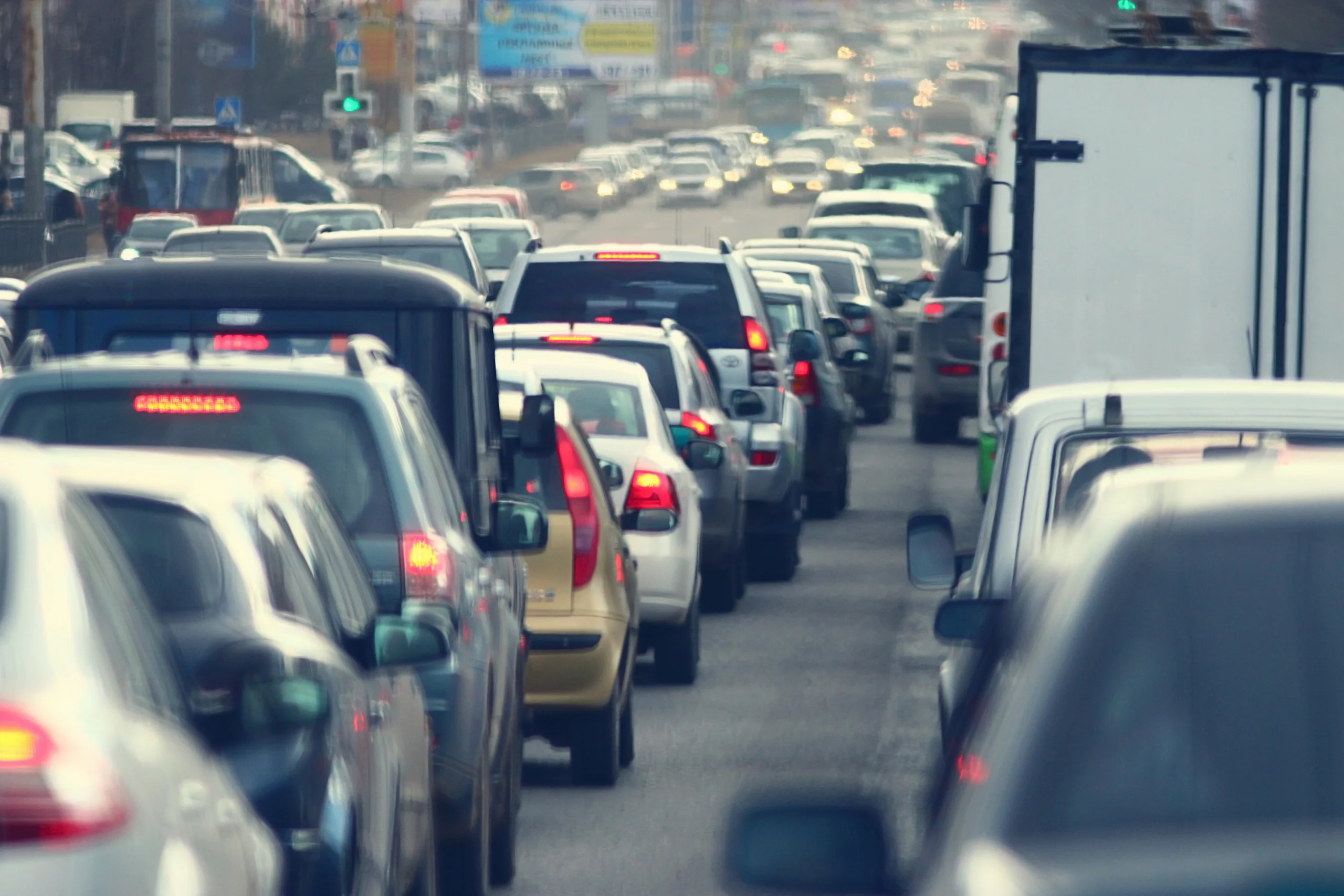
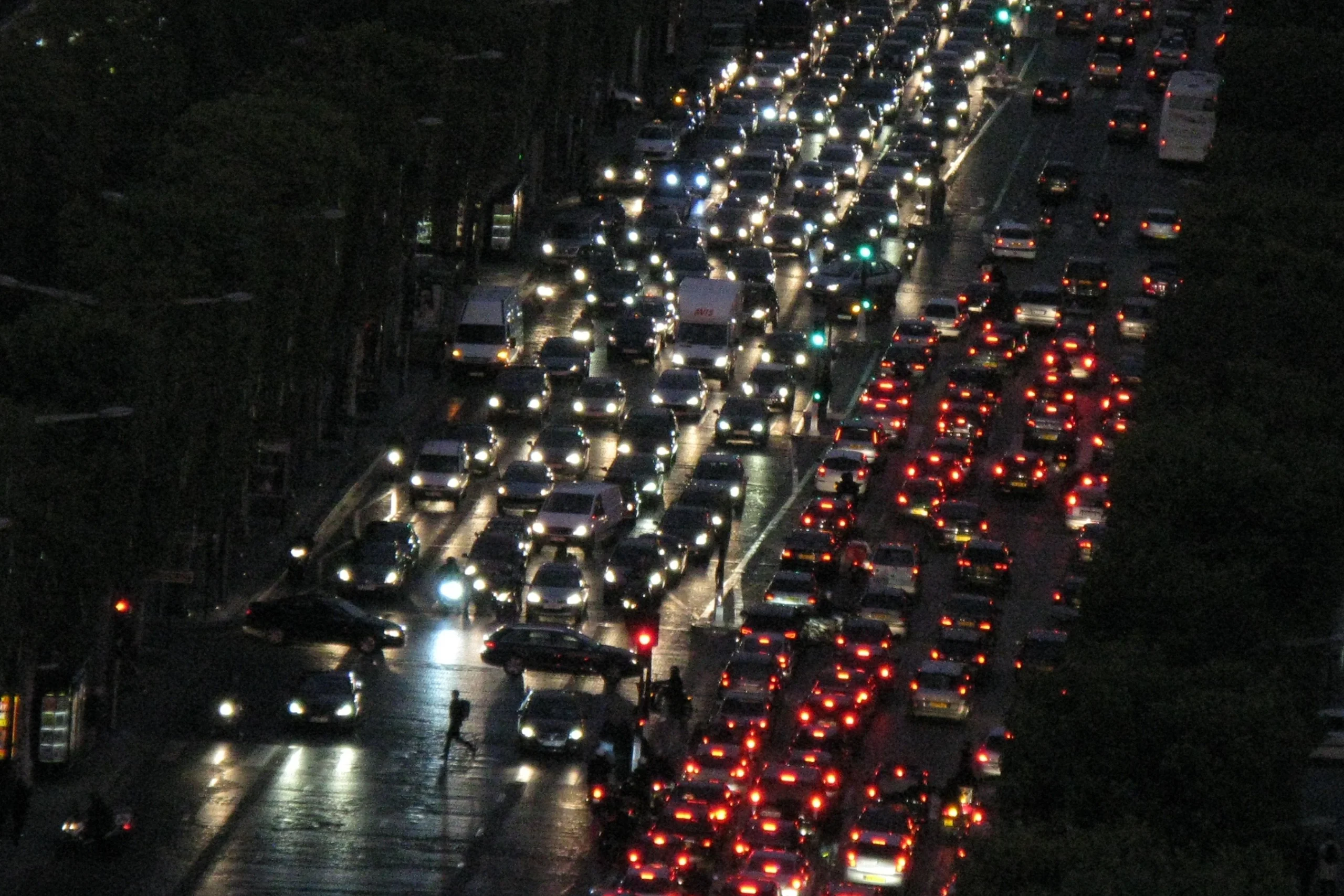
Traffic message boards also help manage traffic flow and reduce congestion. They provide information about travel times, route suggestions, and carpool lanes. Some urban areas use adaptive systems that monitor traffic volume and update boards to recommend the fastest routes in real time.
For example, a sign might read: “TO DOWNTOWN VIA I-95 – 18 MIN / VIA I-495 – 22 MIN.” By giving drivers a comparative overview, message boards enable better decision-making and help distribute traffic more evenly across available roadways.
Communicating Special Events and Road Closures
When cities host parades, marathons, or large public events, road closures and parking restrictions can cause major headaches for unaware drivers. Traffic message boards help mitigate this by announcing upcoming events and advising alternate routes or parking options.
A well-timed message like “STADIUM EVENT—EXPECT DELAYS—USE EXIT 12B” can reduce stress for local commuters and visitors and improve overall traffic efficiency.
Promoting Driver Awareness
Beyond immediate safety alerts, traffic message boards can be used for public service announcements. These might include reminders about seat belt use, DUI laws, or seasonal driving tips. Examples include:
- “BUCKLE UP – IT’S THE LAW”
- “DON’T TEXT AND DRIVE”
- “HOLIDAY DUI CHECKPOINTS IN EFFECT”
These messages are a valuable part of ongoing education campaigns aimed at shaping long-term driver behavior.
Technology Integration and the Future
As traffic systems become more intelligent, so do the message boards themselves. Modern boards can interface with mobile apps, in-vehicle GPS systems, and cloud-based analytics platforms. Future innovations may include AI-generated messages based on predictive modeling or integration with vehicle-to-infrastructure (V2I) communications.
This means traffic message boards could one day warn not just of present hazards, but of likely future events, such as a predicted bottleneck due to upcoming lane closures or anticipated slippery conditions based on temperature trends.
Cost-Effectiveness and Sustainability
Although the installation and maintenance of traffic message boards involve upfront costs, their long-term benefits—reduced accidents, improved traffic flow, and enhanced public communication—offer significant ROI. Many systems now incorporate solar panels and energy-efficient LEDs, minimizing environmental impact and operational expenses.
Additionally, because they reduce reliance on human traffic controllers and paper signage, traffic message boards represent a more sustainable and efficient way to manage roadway information.
Conclusion
In today’s fast-paced, ever-changing driving environment, traffic message boards serve as a critical communication link between road authorities and drivers. They deliver real-time updates, enhance safety in work zones, provide emergency instructions, reduce congestion, and improve overall driving experiences.
As technology continues to evolve, these digital sentinels will only become more intelligent and indispensable. Whether you’re a commuter in a bustling metropolis or a long-haul trucker navigating rural highways, traffic message boards are working tirelessly to keep you informed, safe, and on the right track.