
Identity verification technology has become the backbone of digital trust in 2026. As fraud grows more sophisticated and regulations expand worldwide, businesses must rely on advanced verification platforms that balance security, compliance, and seamless user experience. This guide highlights the top identity verification technology companies shaping the future of secure digital interactions.
Key Takeaways
- Identity verification is foundational to future-proofing digital ecosystems against increasingly sophisticated cyber threats.
- The top companies in 2026 distinguish themselves through advanced AI, biometrics, and regulatory adaptability.
- Secure, streamlined user experiences will be crucial in driving the adoption of digital identity solutions across various industries.
- As technology and threats continue to evolve, ongoing innovation and industry collaboration are crucial for maintaining trust and safety online.
As the digital landscape rapidly evolves, establishing trust and security in online interactions grows more critical each year. Both businesses and individuals face increasing threats from sophisticated fraudsters, making robust identity verification more essential than ever before.
Cybercriminals are no longer relying on crude tactics. Today’s fraud schemes use synthetic identities, deepfake videos, AI-generated documents, and automated attack networks. At the same time, regulatory bodies worldwide are tightening Know Your Customer (KYC), Anti-Money Laundering (AML), and data protection requirements. Businesses are under pressure to stop fraud without creating friction that drives legitimate users away.
The future of digital trust lies in next-generation solutions designed to address diverse industries and regulatory requirements, while striking a balance between a seamless user experience and cutting-edge security. For those seeking the best identity verification technology, understanding the top players shaping the market in 2026 is crucial for safeguarding digital activity and maintaining compliance in an ever-evolving regulatory environment.
Leading technology companies are investing heavily in advanced automation, artificial intelligence, and biometric security protocols to deliver reliable, scalable services. These innovative platforms are revolutionizing the way institutions authenticate identities for financial transactions, healthcare access, government benefits, and other purposes. Below is an insightful look at the companies propelling identity verification forward in 2026, showcasing their proven impact and the unique features that set them apart.
Table of Contents
What Is Identity Verification Technology?
Identity verification technology refers to the digital tools and systems used to confirm that a person is genuinely who they claim to be. Unlike traditional in-person checks, modern verification happens remotely and in real time—often within seconds.
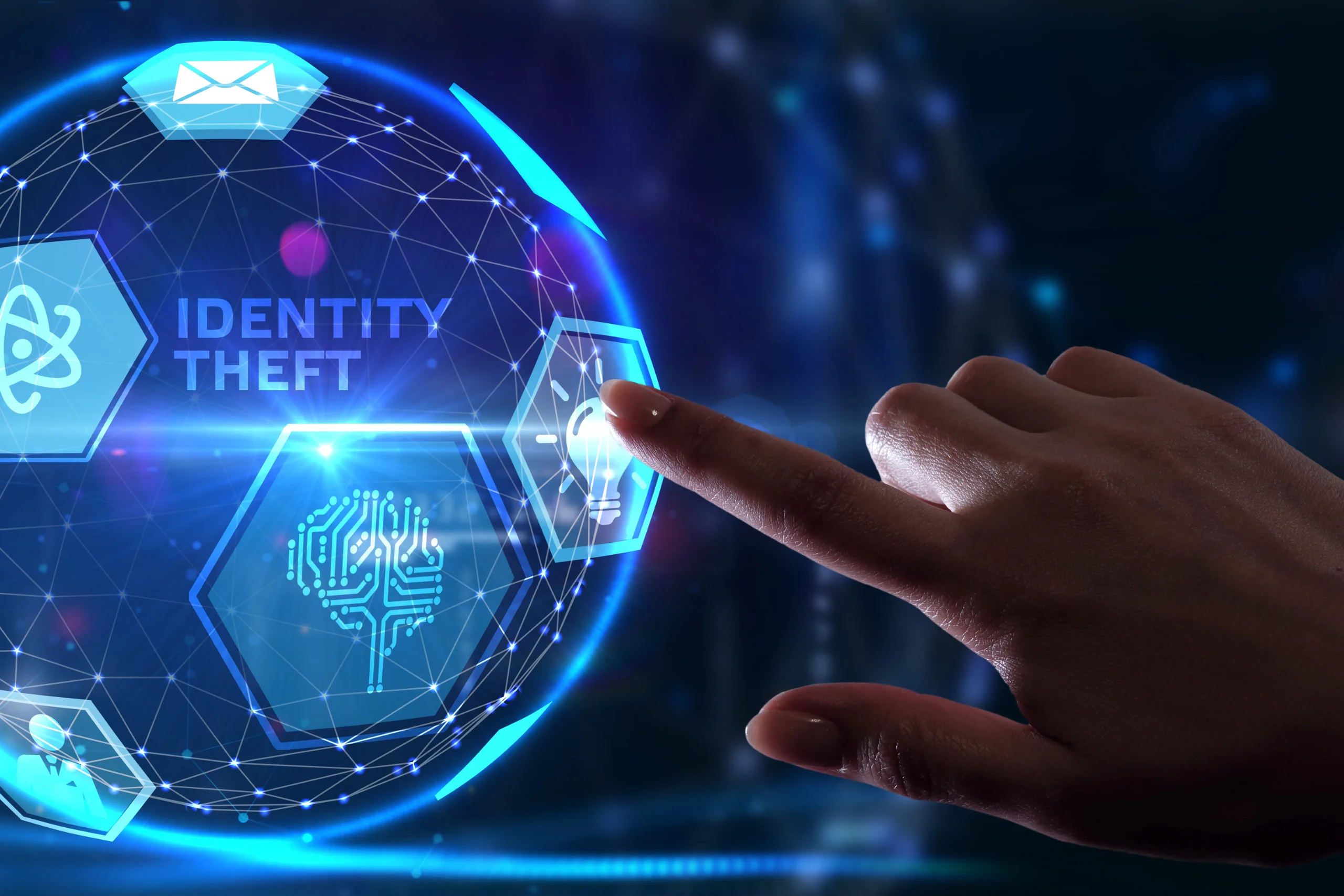
At its core, identity verification typically combines several layers:
- Document verification (government-issued IDs, passports, licenses)
- Biometric authentication (facial recognition, fingerprints, liveness detection)
- Database and data-source validation (credit bureaus, government registries, global watchlists)
- Behavioral and device intelligence (IP analysis, device fingerprinting, usage patterns)
- AI-driven fraud detection (pattern recognition, anomaly detection, risk scoring)
What sets 2026-era platforms apart is their ability to adapt. These systems continuously learn from emerging threats, refine accuracy across diverse populations, and comply with varying regulations across regions—without sacrificing speed or user experience.
Why Identity Verification Technology Is So Important in 2026
Identity verification is no longer just a compliance checkbox—it is a business-critical capability.
1. Fraud Is More Sophisticated Than Ever
Synthetic identity fraud, AI-generated deepfakes, and automated credential stuffing attacks are growing faster than traditional defenses. Manual review processes simply cannot keep up.
2. Regulations Are Expanding Globally
From GDPR and eIDAS in Europe to evolving KYC and AML standards in the U.S., Asia, and Latin America, organizations must verify identities accurately while respecting privacy laws.
3. User Experience Drives Revenue
Consumers expect fast, seamless onboarding. Long verification processes increase abandonment rates, especially in fintech, e-commerce, and healthcare.
4. Trust Is a Competitive Advantage
Companies that demonstrate strong identity protection build confidence with customers, partners, and regulators—while avoiding reputational damage from breaches.
5. Digital Access Is Expanding
Remote work, telehealth, online education, and digital government services require secure identity verification at scale, across borders and demographics.
In short, identity verification technology protects revenue, reduces risk, improves user experience, and enables growth.

The Best Identity Verification Technology Companies in 2026
The identity verification landscape in 2026 is defined by speed, accuracy, and adaptability. As digital transactions continue to replace in-person interactions, organizations can no longer rely on basic ID checks or manual review processes to protect users and meet compliance requirements. Today’s leading identity verification providers go far beyond simple document validation—they integrate artificial intelligence, biometrics, real-time risk analysis, and global data sources to deliver secure verification at scale.
The companies highlighted below represent the strongest players shaping the future of digital trust. Each has demonstrated an ability to stay ahead of evolving fraud tactics, support complex regulatory environments, and deliver verification experiences that protect both businesses and end users without introducing unnecessary friction.
1. Incode
Built for regulated and high-risk environments, Incode (www.incode.com) is an enterprise-grade identity verification platform combining advanced biometric liveness detection, deepfake-resistant identity verification, and fraud detection within a privacy-first architecture. Incode is trusted by banks, regulated businesses, and government-level projects where accuracy, security, and long-term trust matter more than speed alone. Its technology has been independently validated through academic and industry benchmarks.
2. Daon
Daon sets the bar in the identity verification space by combining biometric authentication, digital onboarding, and advanced security protocols within a single, flexible platform. Industries, from finance to healthcare, trust Daon for seamless, multifactor authentication and user-centric design. Their adaptability and comprehensive approach address both evolving fraud risks and regulatory compliance needs, securing Daon’s place at the forefront of identity innovation worldwide.
3. AU10TIX
Internationally recognized for its automated, high-accuracy identity services, AU10TIX is a standout in the industry. Named the “Best Identity-as-a-Service Platform” in the 2025 FinTech Breakthrough Awards, the company has cemented its reputation for driving efficiency and reducing manual review through powerful automation and machine learning capabilities. This technology transforms the journey for users and organizations alike, establishing safer global commerce and transactions.
4. Vouched
Vouched brings AI-driven verification capabilities to mission-critical sectors, including finance, insurance, and healthcare. Their recognition as the “Best Identity Verification Solution” in the 2025 FinTech Breakthrough Awards reflects their leadership in both fraud prevention and regulatory compliance. Vouched’s solutions stand out for their speed, scalability, and adaptability to industry needs – a vital combination for modern digital ecosystems.
5. Socure
A leader in inclusive digital verification, Socure leverages advanced AI and machine learning to maximize accuracy while broadening access. Their innovative approach has earned them the “Best Identity Verification Solution” title in the FinTech Breakthrough Awards for three consecutive years, underscoring their ability to adapt quickly and securely to new threats and emerging platforms.
6. Okta
Amid a surge in cyberattacks, Okta stands out for delivering identity verification that’s closely integrated with comprehensive cybersecurity platforms. From AI-enhanced risk analysis to powerful single sign-on (SSO) services, Okta delivers robust protection that’s recognized across industries. Their rapid development of responsive, scalable tools has made them a core partner for enterprises defending against AI-driven fraud.
7. ID.me
ID.me is trusted for broad online identity networking, delivering secure access for users to a multitude of platforms, including essential government and healthcare services. Its popularity stems from its wide range of applications, including unlocking benefits, retail discounts, and sensitive health information. Through streamlined verification, it helps protect both organizations and end users.
8. Fourthline
Fourthline, headquartered in the Netherlands, excels in automating Know Your Customer (KYC) and Anti-Money Laundering (AML) compliance for global financial institutions. Their end-to-end platform reduces friction for clients, accelerates onboarding, and adapts to evolving regulatory frameworks, making them crucial partners for banks and payment providers.
9. Trulioo
A leader in global digital trust, Trulioo has expanded its reach with a rebranding and the launch of new platforms. The company supports seamless identity verification for both individuals and enterprises, empowering businesses to grow internationally by providing instant verification tools tailored to a wide range of regulatory environments.
10. GB Group (GBG)
GBG’s strength lies in extensive data partnerships and a diverse array of identity and fraud prevention solutions. Their offerings help organizations precisely validate and secure customer information, supporting industries from retail to fintech in tackling compliance while minimizing user friction. Their global perspective has helped GBG remain a go-to provider in digital verification.
11. IDEMIA
IDEMIA is synonymous with innovation in biometrics and multi-factor authentication. Their portfolio serves governments and multinational corporations with highly secure facial recognition, fingerprint technology, and end-to-end identity lifecycle management solutions. These advanced technologies set new standards for digital security and public trust.
Frequently Asked Questions (FAQ)
What industries rely most on identity verification technology?
Identity verification is critical across fintech, banking, healthcare, insurance, e-commerce, government services, travel, and education. Any industry handling sensitive data, financial transactions, or regulated access requires strong verification to prevent fraud and ensure compliance.
How does biometric verification improve security?
Biometric verification uses unique physical traits—such as facial features or fingerprints—that are extremely difficult to replicate. Combined with liveness detection, biometrics help prevent deepfake attacks, stolen credentials, and impersonation attempts.
Is identity verification technology safe for user privacy?
Leading providers prioritize privacy by using encryption, consent-based data handling, and compliance with regulations like GDPR. Many platforms minimize data retention and use verification only for authentication rather than storage.
What is liveness detection and why does it matter?
Liveness detection ensures a real human is present during verification—not a photo, video, or deepfake. This protects systems from increasingly realistic spoofing attacks.
How should businesses choose the right verification provider?
Organizations should consider accuracy, speed, regulatory coverage, global reach, integration ease, and user experience. The best solution aligns with both security needs and customer expectations.