

This article was originally published on December 26, 2021, and updated on June 17, 2026.
Starting a dry cleaning business can be a profitable local service opportunity, but it requires careful planning, the right location, reliable equipment, environmental compliance, strong pricing, and excellent customer service. Learn the key steps to open and grow a dry cleaning business.
Key Takeaways
- A dry cleaning business can be operated as a full-service plant, drop-off store, pickup-and-delivery service, specialty cleaner, or franchise.
- Location matters because customers want convenience, visibility, parking, and easy drop-off.
- Dry cleaning is regulated, especially if solvents such as PCE/perc are involved.
- New owners should understand EPA, OSHA, state, and local requirements before buying equipment or signing a lease.
- Startup costs can be high, so a detailed business plan and working capital reserve are essential.
- Dry cleaning software helps manage orders, track garments, communicate with customers, process payments, and manage deliveries.
- Pricing should be based on real costs and the desired profit margin, not solely on competitors’ prices.
- Pickup and delivery can help differentiate the business, but must be launched with strong systems.
- Customer trust, consistent quality, and on-time service are critical to repeat business.
- Marketing should begin before opening and should include local SEO, Google Business Profile, partnerships, reviews, and referral programs.
Starting a dry cleaning business can be a practical opportunity for entrepreneurs who want to build a local, service-based business with repeat customers. People need help caring for suits, dresses, coats, uniforms, delicate fabrics, household textiles, and specialty garments that cannot always be washed at home. A well-run dry cleaning business can serve professionals, families, hotels, restaurants, schools, churches, event venues, and other local organizations that need reliable garment care.
However, dry cleaning is not a simple “open the doors and start cleaning clothes” business. It is equipment-intensive, regulated, location-sensitive, and highly dependent on customer trust. You are handling items that may be expensive, sentimental, or needed for an important event. Customers expect their clothes to be cleaned properly, returned on time, protected from damage, and priced fairly.
If you are considering this business, you need to think carefully about your business model, location, equipment, environmental compliance, staffing, pricing, technology, and marketing. You also need to understand how the industry is changing as more dry cleaners move away from traditional perchloroethylene, also called PCE or perc, and toward alternative cleaning methods.
Here is how to start a dry cleaning business and build it on a solid foundation.
Table of Contents
1. Understand the Dry Cleaning Business Model
Before you lease a storefront or buy equipment, decide what kind of dry cleaning business you want to operate. There are several possible models:
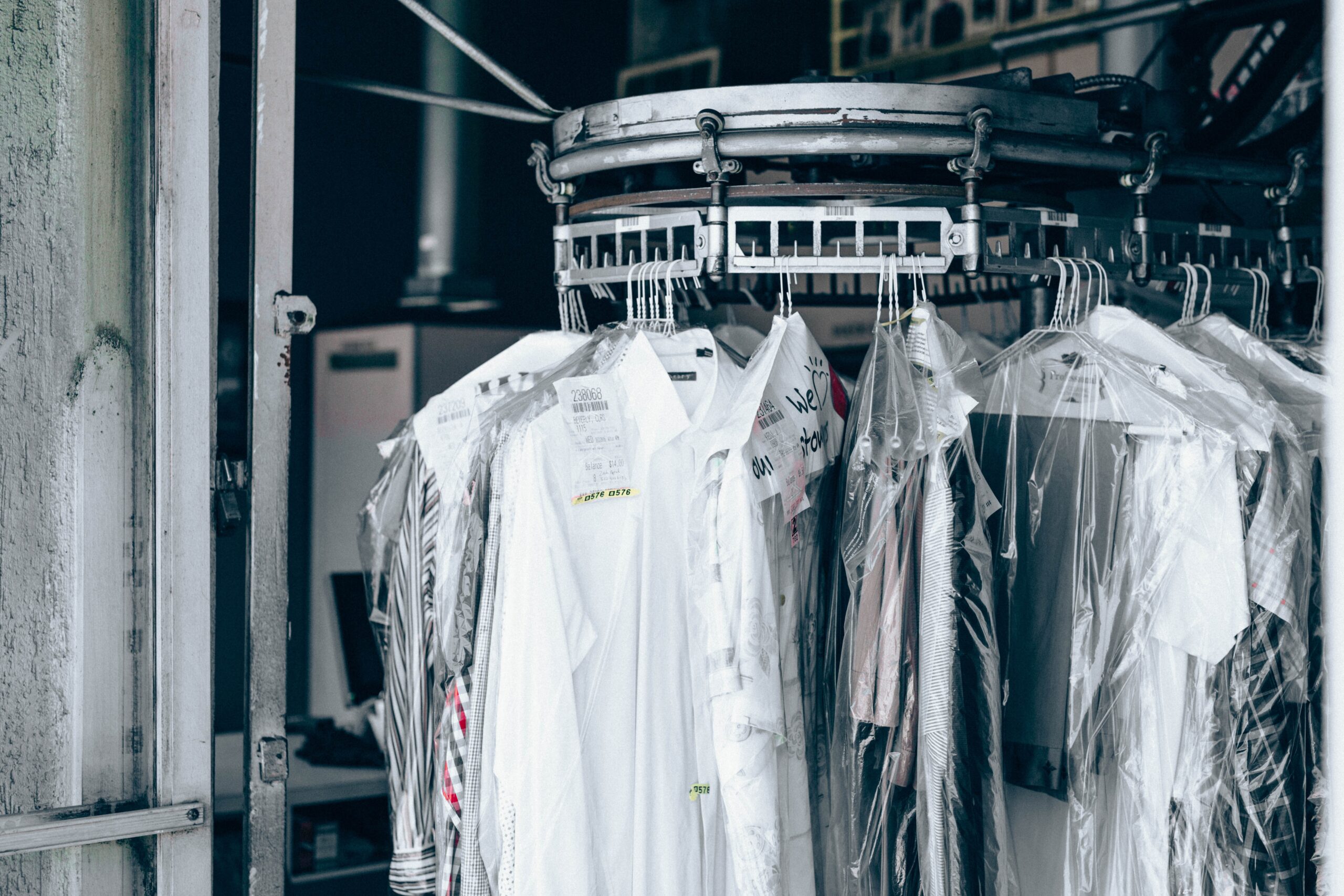
Full-service dry cleaning plant. This is the most equipment-heavy model. You clean garments on-site, manage the entire process, and may also serve as a production facility for pickup-and-delivery routes or satellite drop-off stores.
Drop-off and pickup dry cleaner. In this model, customers bring garments to your location, but the actual cleaning is handled by a wholesale dry cleaning plant or production partner. This can reduce startup costs, but your profit margins and quality control depend heavily on your vendor.
Pickup and delivery dry cleaning service. This model focuses on convenience. Customers schedule pickups from home, office, apartment buildings, or commercial locations. You may clean in-house or outsource production.
Specialty dry cleaning service. You can focus on niches such as wedding gown preservation, uniforms, leather and suede, alterations, high-end garments, household textiles, or environmentally preferred cleaning methods.
Franchise dry cleaning business. Buying a franchise can give you brand recognition, training, systems, and vendor relationships, but you will pay franchise fees and operate under the franchisor’s rules.
Each model has different startup costs, staffing requirements, equipment needs, profit margins, and risk levels. A first-time owner may choose to start with a drop-off or pickup-and-delivery model before investing in a full production plant. An experienced operator may prefer to own the entire cleaning process from the start.
For help thinking through your business model, read PowerHomeBiz’s guide to writing business plans and startup costs and expenses for a new business.
2. Research Your Local Market
Dry cleaning is local. Your customers will usually come from a defined service area near your storefront, delivery route, office district, apartment community, or neighborhood. That means your market research should be very specific.
Look at:
- How many dry cleaners already serve your area
- Whether they offer pickup and delivery
- Their pricing for common items such as shirts, suits, dresses, coats, and comforters
- Their customer reviews
- Their hours
- Their turnaround time
- Whether they offer alterations
- Whether they market eco-friendly or alternative cleaning methods
- Their parking, visibility, and convenience
- Their website, Google Business Profile, and online ordering options
Do not assume that a neighborhood with no dry cleaner is automatically a good location. It may mean there is unmet demand, but it may also mean local residents do not use dry cleaning often enough to support a storefront. On the other hand, an area with several dry cleaners may still be attractive if you can offer better convenience, stronger service, pickup and delivery, faster turnaround, better garment tracking, or a stronger specialty.
Use a simple competitive analysis table to compare each competitor’s services, prices, reviews, and weaknesses. PowerHomeBiz’s competitive analysis guide for small business can help you structure this research.
3. Choose a Strong Location
Location is one of the biggest factors in a dry cleaning business. Customers want convenience. They are often dropping off clothes on the way to work, after school, during errands, or before an event. A dry cleaner hidden in a difficult-to-access location may struggle even if the quality is good.
Good locations may include:
- Shopping centers with grocery stores, pharmacies, or other routine errands
- Areas near office buildings and professional districts
- Neighborhoods with higher concentrations of working professionals
- Communities with apartment buildings, condos, and townhomes
- Areas near hotels, restaurants, schools, churches, or event venues
- Locations with easy parking and visible signage
- Streets with strong commuter traffic
If you plan to run a full-service plant, also consider zoning, ventilation, utilities, machine access, wastewater handling, chemical storage, and local environmental requirements. A space that works for a retail drop-off counter may not work for full dry cleaning production.
Before signing a lease, talk with your local building department, fire department, environmental agency, and insurance agent. You need to know whether the property can legally and safely support the type of dry cleaning operation you plan to run.
4. Create a Realistic Business Plan
A dry cleaning business requires a more detailed business plan than many low-cost service businesses because the startup expenses can be significant. Equipment, buildout, lease deposits, utility upgrades, insurance, permits, software, supplies, employee training, and marketing can add up quickly.
Your business plan should include:
- Business model
- Target customers
- Competitor analysis
- Services offered
- Startup cost estimate
- Monthly operating budget
- Pricing strategy
- Equipment plan
- Supplier list
- Compliance requirements
- Marketing plan
- Staffing plan
- Revenue forecast
- Cash flow projections
- Break-even analysis
The U.S. Small Business Administration recommends estimating startup costs carefully so you can plan funding, understand cash needs, and prepare loan documents. Use that same approach here. Dry cleaning is not a business where you want to underestimate capital needs, because equipment delays, repairs, slow opening months, or compliance issues can strain cash flow quickly.
Read PowerHomeBiz’s guide to constructing the perfect business plan and the real cost of using personal savings to start a business before deciding how much of your own money to invest.
5. Understand Licenses, Permits, and Environmental Rules
Dry cleaning is more regulated than many small businesses because it may involve solvents, chemical handling, air emissions, wastewater, waste disposal, fire safety, and worker exposure. Requirements vary by state, city, county, and cleaning method, so you need local professional guidance before opening.
At a minimum, you may need:
- Business registration
- Local business license
- Sales tax permit, if applicable
- Fire department approval
- Zoning approval
- Building permits for renovations
- Environmental permits
- Air quality permits, depending on equipment and solvents
- Waste handling and disposal procedures
- Occupational safety policies
- Workers’ compensation insurance
- General liability insurance
- Commercial property insurance
- Vehicle insurance, if offering pickup and delivery
A major issue for the dry cleaning industry is the use of perchloroethylene, commonly known as perc or PCE. The U.S. Environmental Protection Agency has issued rules affecting PCE use, including a phaseout for PCE in dry cleaning. The EPA’s PCE risk management page and dry cleaning sector guidance are important resources for understanding current requirements.
OSHA also identifies chemical, fire, and ergonomic hazards in dry cleaning operations. Review OSHA’s dry cleaning safety overview and dry cleaning hazard recognition guidance as part of your planning.
Because regulations can be technical and penalties can be serious, do not rely only on online articles. Speak with your state environmental agency, a local small business environmental assistance program, an attorney, and an insurance professional before purchasing equipment or signing a lease.
6. Decide on Your Cleaning Method
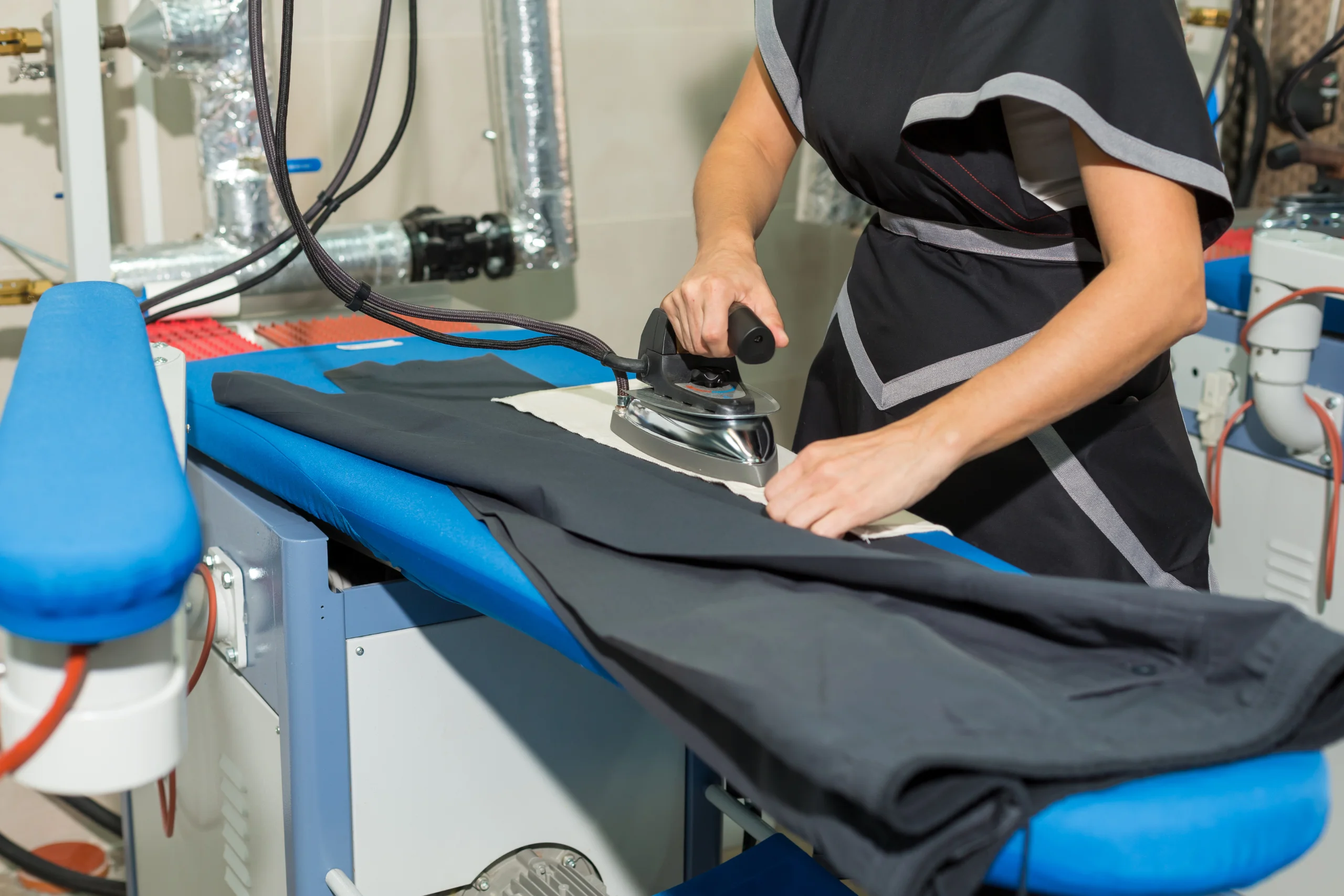
The cleaning method you choose affects your equipment, startup costs, marketing, compliance responsibilities, garment quality, and long-term risk.
Traditional dry cleaning often used perc, but many operators are moving to alternatives because of health, environmental, and regulatory concerns. Options may include:
- Professional wet cleaning
- Hydrocarbon solvents
- Silicone-based solvents
- Liquid carbon dioxide systems
- Other alternative solvent systems
- Outsourced cleaning through a compliant wholesale plant
Each method has trade-offs. Some may require more training. Some may be better for certain fabrics. Some may have higher equipment costs. Some may be easier to market to customers who are concerned about chemical exposure. Some may still require careful handling and compliance.
Do not choose equipment based only on the lowest purchase price. Consider:
- Cleaning quality
- Regulatory future
- Utility requirements
- Maintenance costs
- Solvent cost and availability
- Waste disposal
- Worker safety
- Insurance implications
- Customer demand
- Manufacturer support
- Training requirements
- Long-term resale value
A new dry cleaning business should be especially cautious about buying older equipment that may be cheaper upfront but more expensive or problematic later because of regulatory requirements, maintenance issues, or customer concerns.
7. Estimate Startup Costs Carefully
Startup costs can vary widely depending on whether you open a full-service plant, a drop-off store, a franchise, or a pickup-and-delivery operation. A full plant will usually require far more capital because of equipment, ventilation, utility upgrades, plumbing, installation, and compliance requirements.
Common startup expenses include:
- Lease deposit and rent
- Store buildout
- Dry cleaning machine or alternative cleaning equipment
- Washer and dryer systems
- Pressing equipment
- Finishing equipment
- Steam boiler or related systems
- Air compressor
- Conveyor system
- Garment racks
- Tagging and bagging supplies
- POS software
- Barcode or RFID garment tracking
- Computer, printer, and payment processing equipment
- Signage
- Website
- Google Business Profile setup
- Marketing materials
- Utility deposits
- Insurance
- Permits and professional fees
- Opening inventory of supplies
- Employee wages before opening
- Delivery vehicle, if needed
Do not forget working capital. You may need several months of cash reserves to cover payroll, rent, utilities, loan payments, supplies, repairs, and marketing while your customer base grows.
A dry cleaning business may look busy in the first few weeks if friends, family, and curious locals try it once. The real test is whether customers return regularly and whether your volume covers fixed expenses.
8. Find Reliable Suppliers and Vendors
Dry cleaning depends on reliable suppliers. Delays or poor-quality supplies can affect turnaround time, garment quality, and customer satisfaction.
You may need vendors for:
- Cleaning solvents or wet cleaning detergents
- Spotting chemicals
- Hangers
- Garment bags
- Tags and labels
- Laundry bags
- Packaging materials
- Equipment maintenance
- Boiler service
- Waste disposal
- Uniforms
- Alteration supplies
- POS software
- Payment processing
- Delivery software
- Insurance
- Marketing materials
When choosing suppliers, ask about delivery schedules, minimum orders, safety data sheets, training, compliance documentation, emergency support, and references from other dry cleaners. The cheapest supplier is not always the best choice if late deliveries or weak technical support disrupt your operations.
Build relationships with more than one key supplier when possible. If one vendor has a shortage or shipping delay, you need backup options.
9. Invest in Dry Cleaning Software
Dry cleaning businesses need accurate tracking. Customers want to know when their garments will be ready. Employees need to know what process each item requires. Owners need to track orders, payments, inventory, customer history, route delivery, and production workflow.
A good dry cleaning POS system can help manage:
- Customer profiles
- Garment tagging
- Order tracking
- Pickup and delivery
- Text or email notifications
- Payment processing
- Inventory
- Employee schedules
- Coupons and loyalty programs
- Production workflow
- Sales reports
- Customer preferences
- Complaints and redo tracking
Software is especially important if you offer pickup and delivery. Customers expect the same convenience they get from other local services: online scheduling, digital receipts, reminders, and clear communication.
Do not treat technology as an afterthought. A dry cleaner that offers easy ordering, reliable notifications, and quick customer lookup can feel more professional than one that relies on paper tickets and manual tracking.
10. Build Services Around Customer Convenience
The dry cleaning business is not only about cleaning clothes. It is about convenience, reliability, and trust. Customers are more likely to return if you make their lives easier.
Consider offering:
- Same-day or next-day service for select items
- Wash-and-fold laundry
- Shirt laundry
- Alterations and repairs
- Wedding gown cleaning and preservation
- Comforter and household textile cleaning
- Leather and suede care through a specialist
- Uniform cleaning
- Pickup and delivery
- Subscription plans for recurring customers
- Office pickup programs
- Apartment building pickup lockers
- Loyalty rewards
- SMS reminders
- After-hours drop box
The most profitable services may not be the most obvious. For example, alterations can increase revenue per customer and bring people into the store more often. Pickup and delivery can attract busy professionals and families. Commercial accounts can provide steadier volume.
Think about what your local market needs and what your competitors do not offer well.
11. Price for Profit, Not Just Competition
Many dry cleaning owners make the mistake of copying competitor prices without fully understanding their own costs. That can be dangerous, especially if your rent, labor, equipment payments, solvent costs, utilities, and insurance are higher.
Your pricing should account for:
- Labor
- Supplies
- Equipment depreciation
- Rent
- Utilities
- Insurance
- Marketing
- Software
- Delivery costs
- Waste disposal
- Repairs
- Taxes
- Profit margin
You may need different pricing for standard garments, delicate items, rush orders, stain treatment, wedding gowns, household items, and pickup/delivery service.
Customers do not always choose the cheapest dry cleaner. They choose the one they trust with their clothes. A strong brand, reliable service, clean store, friendly staff, convenient hours, and clear communication can support better pricing.
For more help, read PowerHomeBiz’s pricing tips for small business entrepreneurs and tips for setting your prices.
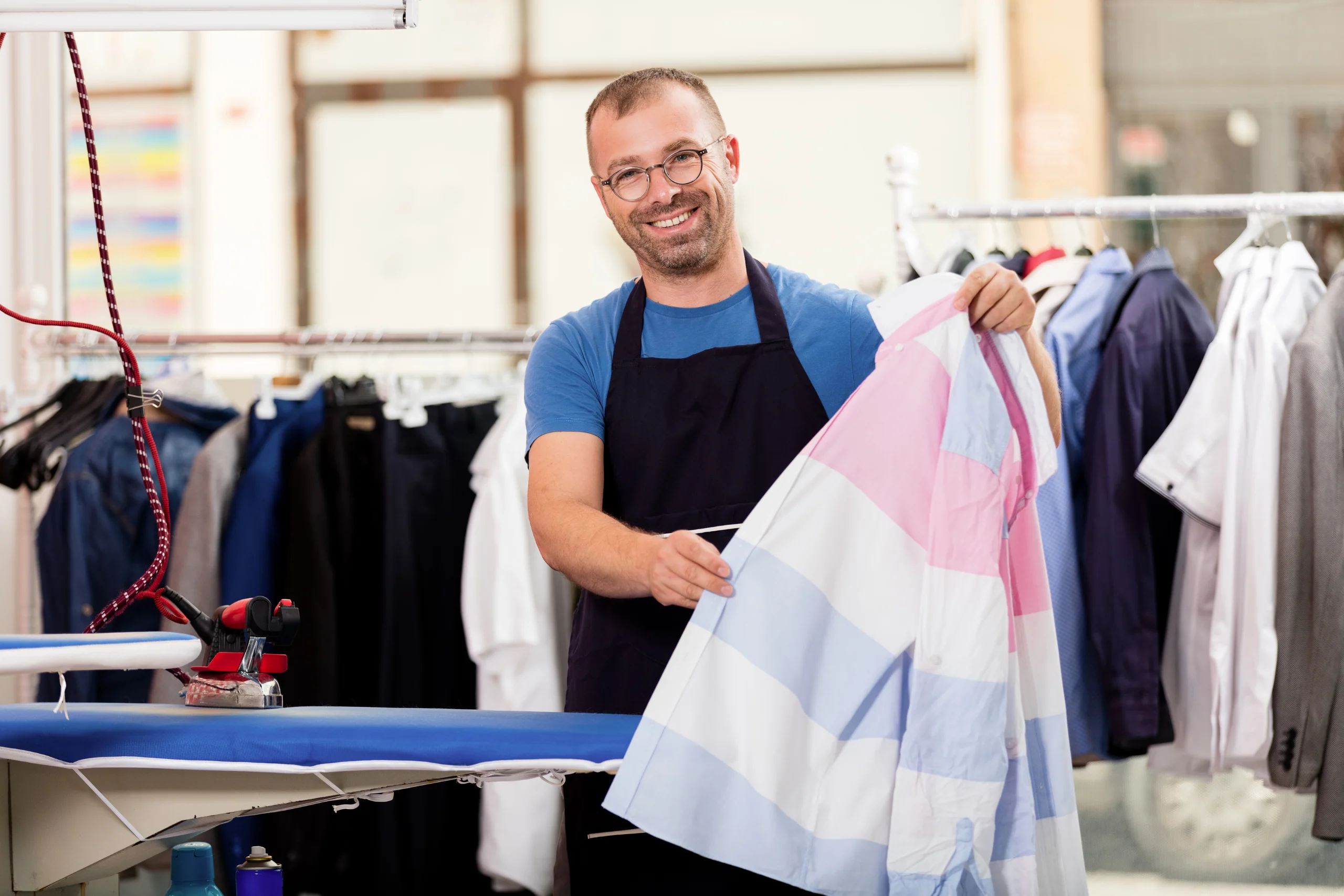
12. Hire and Train Carefully
Dry cleaning mistakes can be expensive. A damaged wedding dress, ruined suit, lost garment, or missed deadline can cost more than the cleaning fee. Your employees need training in customer service, garment inspection, tagging, stain identification, safety procedures, equipment use, and quality control.
Key roles may include:
- Front counter staff
- Presser
- Spotter
- Machine operator
- Alterations specialist
- Delivery driver
- Production manager
- Customer service representative
Even if you start small, create written procedures for intake, tagging, inspection, cleaning, pressing, packaging, customer complaints, refunds, redos, and lost items. Consistency matters. Customers should receive the same level of service whether you are present or not.
Train employees to inspect garments carefully at drop-off. Note stains, missing buttons, tears, loose hems, delicate trims, and special instructions before the item goes into production. This protects the customer and the business.
13. Market Your Dry Cleaning Business Before You Open
Do not wait until opening day to start marketing. Begin building awareness several weeks before launch.
Important marketing steps include:
- Create a professional website
- Set up your Google Business Profile
- Add your services, hours, photos, and service area
- Collect early reviews from satisfied customers
- Use local SEO keywords such as “dry cleaner near me” and your city name
- Promote opening specials
- Partner with apartment buildings and offices
- Offer referral cards
- Use door hangers or mailers in targeted neighborhoods
- Network with wedding shops, tailors, hotels, restaurants, and event venues
- Post behind-the-scenes photos of your store, equipment, and team
- Promote pickup and delivery convenience
Your Google Business Profile is especially important because many people search for a dry cleaner when they need one immediately. Make sure your listing is complete, accurate, and regularly updated with photos, services, and customer responses.
For broader marketing ideas, see PowerHomeBiz’s small business marketing strategies and branding strategies for small business.
14. Focus on Customer Trust and Repeat Business
Dry cleaning is a repeat business. A customer may come in once for a suit, but the real value is turning that first visit into a long-term relationship.
Ways to build trust include:
- Return garments on time
- Communicate clearly about stains or risks
- Be honest when an item may not clean perfectly
- Offer clear pricing
- Keep the store clean and organized
- Resolve complaints quickly
- Track customer preferences
- Use quality hangers and packaging
- Follow up after service issues
- Reward loyal customers
A customer who trusts you may bring in more items, use your alterations service, recommend you to coworkers, and leave positive reviews. A customer who has one bad experience may never return.
PowerHomeBiz’s article on how to know and get close to customers is especially relevant for a service business like dry cleaning.
15. Add Pickup and Delivery Strategically
Pickup and delivery can be a strong growth opportunity, especially for busy households, professionals, seniors, and commercial accounts. However, it adds complexity. You need routing, scheduling, bags, driver policies, communication, insurance, and reliable turnaround times.
Before offering delivery, decide:
- Which ZIP codes or neighborhoods you will serve
- Whether delivery is free, paid, or included above a minimum order
- Pickup and drop-off days
- How customers schedule service
- How garments are tagged and tracked
- What happens if the customer is not home
- How payments are processed
- Whether drivers are employees or contractors
- How complaints are handled
Start with a limited delivery area and expand only when your systems are working well. A small, reliable route is better than a large, disorganized one.
16. Track Your Numbers From Day One
A dry cleaning business can look busy but still lose money if margins are weak. Track your numbers carefully.
Important metrics include:
- Number of orders per day
- Average order value
- Revenue by service category
- Repeat customer rate
- New customer count
- Redo rate
- Lost or damaged garment claims
- Labor cost as a percentage of revenue
- Utility costs
- Supply costs
- Delivery cost per order
- Customer acquisition cost
- Review rating
- Turnaround time
- Monthly profit and cash flow
Use your POS system and accounting software to monitor performance. If your average order value is too low, consider bundles, alterations, household items, or loyalty offers. If labor costs are too high, review workflow and scheduling. If redos are increasing, invest in training and quality control.

Common Mistakes to Avoid When Starting a Dry Cleaning Business
Starting a dry cleaning business can be profitable, but mistakes can be costly. Watch out for these common problems:
Choosing the wrong location. A cheap lease is not a bargain if customers cannot find you, park easily, or fit your store into their daily routine.
Underestimating startup costs. Equipment, buildout, utilities, compliance, software, and working capital can cost more than expected.
Ignoring environmental rules. Dry cleaning regulations are serious. Understand local, state, and federal requirements before choosing equipment or solvents.
Buying outdated equipment without research. Older machines may create compliance, repair, safety, or customer perception problems.
Pricing too low. Low prices can attract customers but destroy margins if they do not cover your true costs.
Failing to train employees. Poor intake, tagging, spotting, pressing, or customer service can lead to expensive mistakes.
Not using software. Manual systems increase the risk of lost garments, missed deadlines, weak reporting, and poor customer communication.
Depending only on walk-in traffic. You still need marketing, local SEO, reviews, partnerships, and repeat-customer programs.
Expanding delivery too fast. Pickup and delivery can grow revenue, but it must be managed carefully to avoid service failures.
Final Thoughts
A dry cleaning business can be a strong local service business when it is built around convenience, quality, compliance, and trust. The best operators understand that they are not simply cleaning garments. They are solving a recurring problem for busy customers who want their clothes handled properly and returned on time.
Start with thorough market research. Choose the right business model. Understand environmental and safety requirements. Invest in reliable equipment and software. Train your staff well. Price for profit. Market consistently. Most importantly, create a customer experience that makes people comfortable returning again and again.
Dry cleaning may be an old industry, but the way customers choose local services has changed. The dry cleaners that combine professional garment care with modern convenience, online visibility, strong reviews, and dependable service will be in the best position to compete.

Frequently Asked Questions
Is a dry cleaning business profitable?
A dry cleaning business can be profitable if it has enough repeat customers, strong quality control, good pricing, efficient operations, and careful cost management. Profitability depends heavily on location, equipment costs, labor, rent, utilities, cleaning method, and customer volume.
How much does it cost to start a dry cleaning business?
Startup costs vary widely. A drop-off dry cleaning store or pickup-and-delivery model can cost much less than a full-service dry cleaning plant. A full plant may require major investment in machines, buildout, ventilation, utilities, software, permits, supplies, and working capital. Create a detailed startup budget before committing to a lease or equipment purchase.
Do I need special permits to open a dry cleaning business?
Yes, you may need business licenses, zoning approval, fire department approval, environmental permits, waste handling procedures, and other local or state approvals. Requirements depend on your location and cleaning method. Contact your state environmental agency, city licensing office, and local small business assistance program before opening.
Is perc still used in dry cleaning?
Perc, also called PCE or perchloroethylene, has historically been used in dry cleaning, but the industry is moving away from it because of health, environmental, and regulatory concerns. The EPA has issued rules affecting PCE use in dry cleaning, including a phaseout timeline. New owners should understand current rules before buying equipment.
What is the best location for a dry cleaning business?
Good locations are convenient, visible, easy to access, and close to customers who are likely to use dry cleaning regularly. Shopping centers, professional districts, commuter routes, apartment communities, and higher-income residential areas may be good options, depending on local competition and demand.
Should I offer pickup and delivery?
Pickup and delivery can help attract busy customers and increase convenience, but it adds costs and operational complexity. Start with a limited service area, clear scheduling, reliable garment tracking, and defined delivery policies.
What services can a dry cleaner offer besides dry cleaning?
Additional services may include wash-and-fold laundry, shirt laundry, alterations, wedding gown preservation, household textile cleaning, comforter cleaning, leather and suede cleaning through specialists, uniform cleaning, and commercial account services.
How do I market a dry cleaning business?
Start with a complete Google Business Profile, a professional website, local SEO, opening promotions, referral offers, customer reviews, and partnerships with nearby apartments, offices, hotels, tailors, wedding shops, and event venues. Consistent service and word-of-mouth are especially important.
