

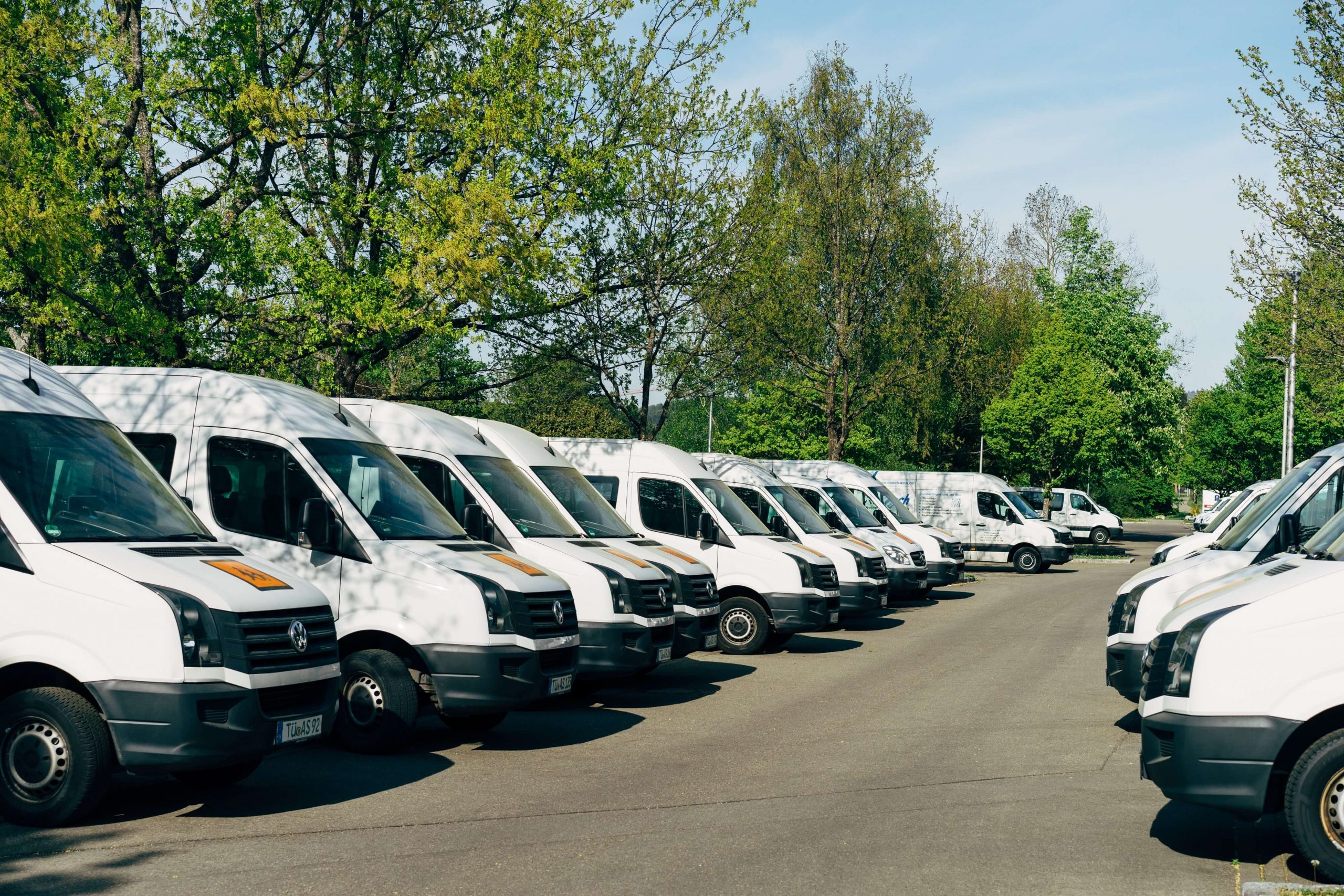
Most companies rely on fleet vehicles to keep their business operating smoothly. Rather than being individually owned, fleet vehicles are a collection of cars, trucks, or SUVs owned by a government agency or company. Therefore, any vehicle used for work is considered a fleet vehicle. Common examples include car rental companies, cab companies, police departments, and public utilities.
Table of Contents
Types of Business Vehicles
There are many types of business vehicles available for entrepreneurs. Many companies lease or buy vehicles for goods delivery or sales reps’ trips to customers. You can choose the type of vehicle depending on your business’s size and scope. Here is a look at the most common types of business vehicles:
Refrigerator Trucks/Van
A refrigerator van, also known as a refrigerated truck or a cold store van, is a type of cargo vehicle used for transporting chilled or frozen goods. Refrigerated vans are popular among many businesses because they maintain a consistent temperature, which helps preserve the quality of their products. Also, maintaining refrigerator vans is affordable. There are several different types available on the market, so it’s essential to choose the one that best meets your needs.
Box Trucks
Box trucks, also known as cube trucks or straight trucks, are common in most fleets. It comprises a chassis cab truck and an enclosed cuboid cargo area. Most come with a rear door that you can easily roll-up. Although some have a door connecting the cabin and cargo area, most have separate cargo and cabin areas.
Dump Trucks
They are usually used to carry loose materials such as demolition waste, gravel, or sand. Typical dump trucks have hydraulic rams to lift the front and an open-box bed hinged at the back. This enables the depositing of materials on the ground behind the truck at the delivery site.
Garbage Truck
Waste management companies, restaurants, and other businesses with large amounts of garbage use garbage trucks. The cost of a new garbage truck varies greatly depending on the company’s needs. The most expensive garbage truck works by compressing the trash to reduce its size.
Taxi Cab
Taxicab companies and individuals who work as contractors often use taxi cabs as their primary business vehicle. If you choose to purchase a taxi cab as your business vehicle, be sure that you comply with all local and state licensing requirements governing the operation of a taxi cab company.
Delivery Truck
Smaller delivery truck businesses are making a comeback in the United States. Many small business owners prefer using smaller delivery trucks instead of large 18 wheeler trucks. Delivery truck owners can own their vehicle or lease a used truck from small local rental companies.
Tow Truck
Small towing companies often purchase tow trucks to be their primary source of business transportation. Tow truck businesses usually operate by removing unauthorized vehicles from private property or impounding them due to parking violations.
How to Maintain Your Business Vehicles
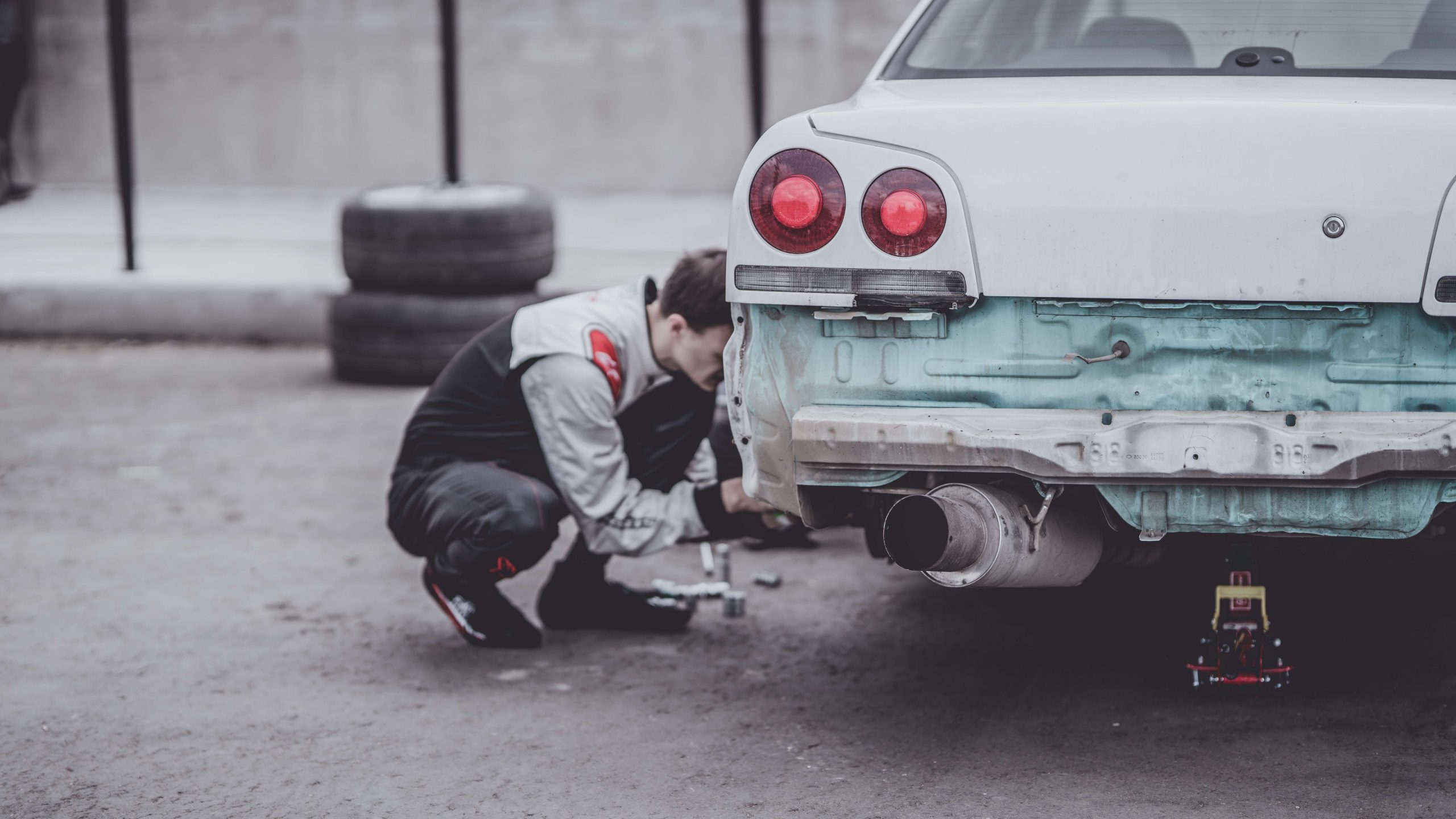
A well-maintained, properly functioning fleet of vehicles will contribute the most to your bottom line. You can take many preventative measures to ensure nothing takes away from this or causes more harm than good. Here are several tips on maintaining your business vehicles:
Hiring the Right People for the Job
Having the right team in place is crucial for maintaining and managing your business vehicles effectively. When hiring, ensure your candidates have relevant experience and expertise in vehicle maintenance and fleet management. Look for individuals who are proactive and have a strong understanding of preventative maintenance practices. You may also utilize professional truck driver recruiting services to find qualified and experienced drivers for your fleet. Providing ongoing training for your team can also help them stay updated on the latest industry standards and technological advancements. By investing in the right people, you can ensure that your fleet operates efficiently and remains in optimal condition, ultimately saving time and money.
Take Care of Your Tires
Many components work with your tires to ensure the proper operation of the vehicle. Look at them as a team. The best way to keep this team working together is to check the air pressure every week and rotate each one once per year or after 10,000 miles. It will reduce wear on both sets of tires, which means they will last longer and help to reduce your overall costs.
Keep a Vehicle Checklist
A checklist enables your drivers to go over the items listed before leaving. The drivers may then present the paperwork to the fleet management department. A suitable checklist should remind the drivers to check tire pressure, oil levels, air filters, brakes, batteries, and belts. This determines the condition of the vehicle and possible solutions before departing.
Regularly Service Your Cars
It is essential that you take your cars for service regularly, especially when they often cover long distances. It is the best way to avoid accidents and car problems. Also, it will aid you in determining if it is suitable for the work. Build long-term relationships with reputable garages to ensure you get quality service for your vehicles.