

Customer impression, employee morale, and general profitability all directly depend on the visual appeal of corporate settings. Well-designed areas draw more people, inspire longer stays, and demand top dollar. Visual enhancements show professionalism and attention to detail, therefore differentiating your brand from rivals. This article lists seven tried-true techniques to improve the look of your company, therefore inspiring team members and impressing clients.
Table of Contents
Reimagine Your Facade and Entrance
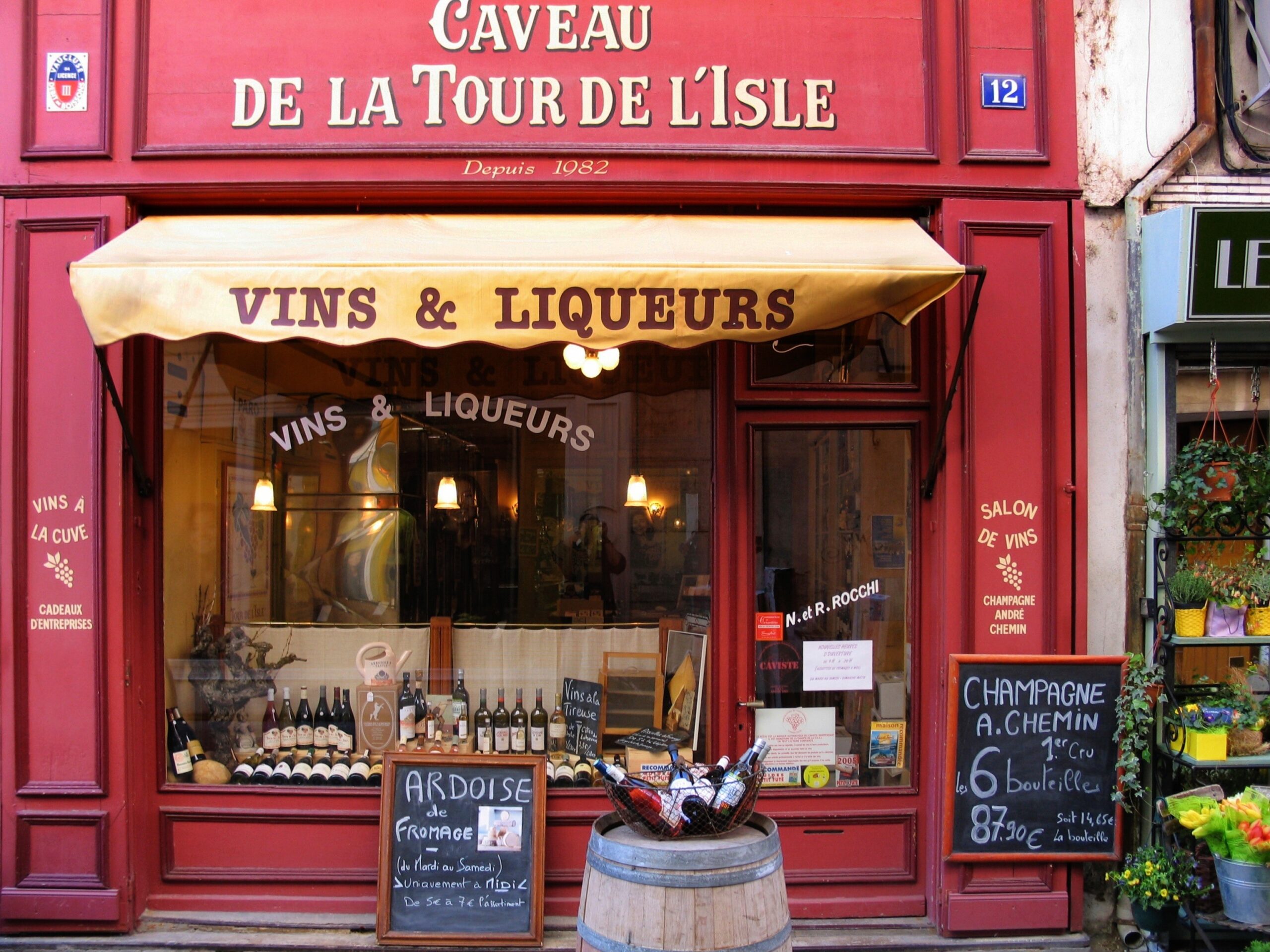
Your company’s façade serves as the initial impression of your brand physically expressed. An old or neglected storefront sends subtly unfavorable signals about your business’s operations and attention to detail. Consider updating signage with contemporary materials and advanced lighting technology to enhance both daytime and nighttime visibility. Incorporate architectural details representing your corporate character that generate visual intrigue. Make sure paths remain accessible to all clients, clean, and well-maintained.
By installing energy-efficient solutions that improve both appearance and utility, window replacement experts may drastically change old stores. The entry should be deliberate, moving guests from outside to inside areas across consistent design elements that prepare them for the experience ahead.
Implement Strategic Lighting Design
Lighting greatly affects ambiance and spatial awareness. While cooler lighting choices (4000–5000K) improve attention and efficiency, warm light sources (2700–3000K) create settings fit for unwinding and warmth. Different emotional and cognitive reactions result from the different temperature ranges of lighting. To draw attention to architectural details or merchandise displays, layer ambient, task, and accent lighting.
Energy-efficient LED solutions with improved color rendering and lower running costs replace out-of-date fluorescent lighting. In places where traditional windows aren’t practical, consider natural light optimization via skylights or light tubes. From morning preparation to nighttime festivities, programmable lighting solutions allow customizing throughout the day, adjusting to changing business needs. Good lighting design not only enhances areas but, with careful placement techniques and contemporary technologies, may save energy use by 60 to 80%.
Curate Cohesive Color Schemes
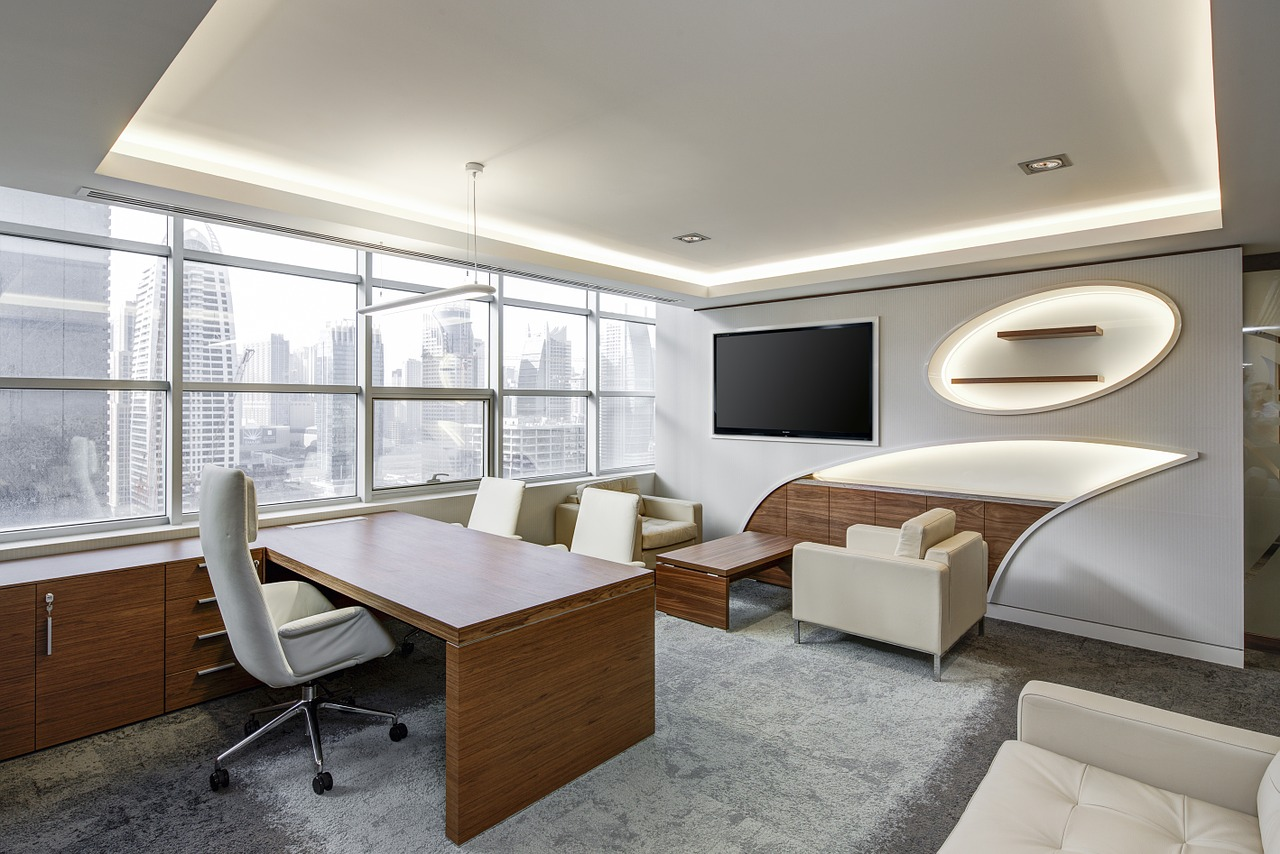
In corporate situations, color choice affects emotional reactions and behavioral patterns. While professional services typically employ subdued colors that convey stability and reliability, retail locations often utilize contrasting accents to draw attention to featured products; different businesses benefit from specific color psychology applications. Consider your target market’s preferences and the norms in your industry before selecting colors.
Follow the 60-30-10 guideline for a well-balanced interior: have the walls and floors be the primary color, have the furniture and textiles be the secondary color, and have the accessories and artwork be the accent color. Strategically combine brand colors instead of saturating areas. The colors of flooring and ceiling greatly affect spatial perception; darker flooring gives grounding, while lighter surfaces produce an extended sensation. Seasonal color changes made possible by simply replaceable elements let companies update their surroundings without resorting to large renovations.
Integrate Biophilic Design Elements
Incorporating natural features into commercial buildings, biophilic design fosters a natural human connection to the surroundings. Studies show that companies with natural surroundings show lower employee absenteeism and higher production. While enhancing acoustics and air quality, living walls have a striking visual impact. Without watering, preserved moss installations have the same visual advantages.
Add different plant species suitable for your light circumstances and degree of maintenance capacity. While establishing focal points, water features bring movement and ambient sound that covers background noise. Where possible, maximize natural views by orienting chairs to take advantage of window proximity. Think about smell design using complementary natural plant fragrances to improve the sensory experience and match your brand identity.
Modernize Flooring and Wall Treatments
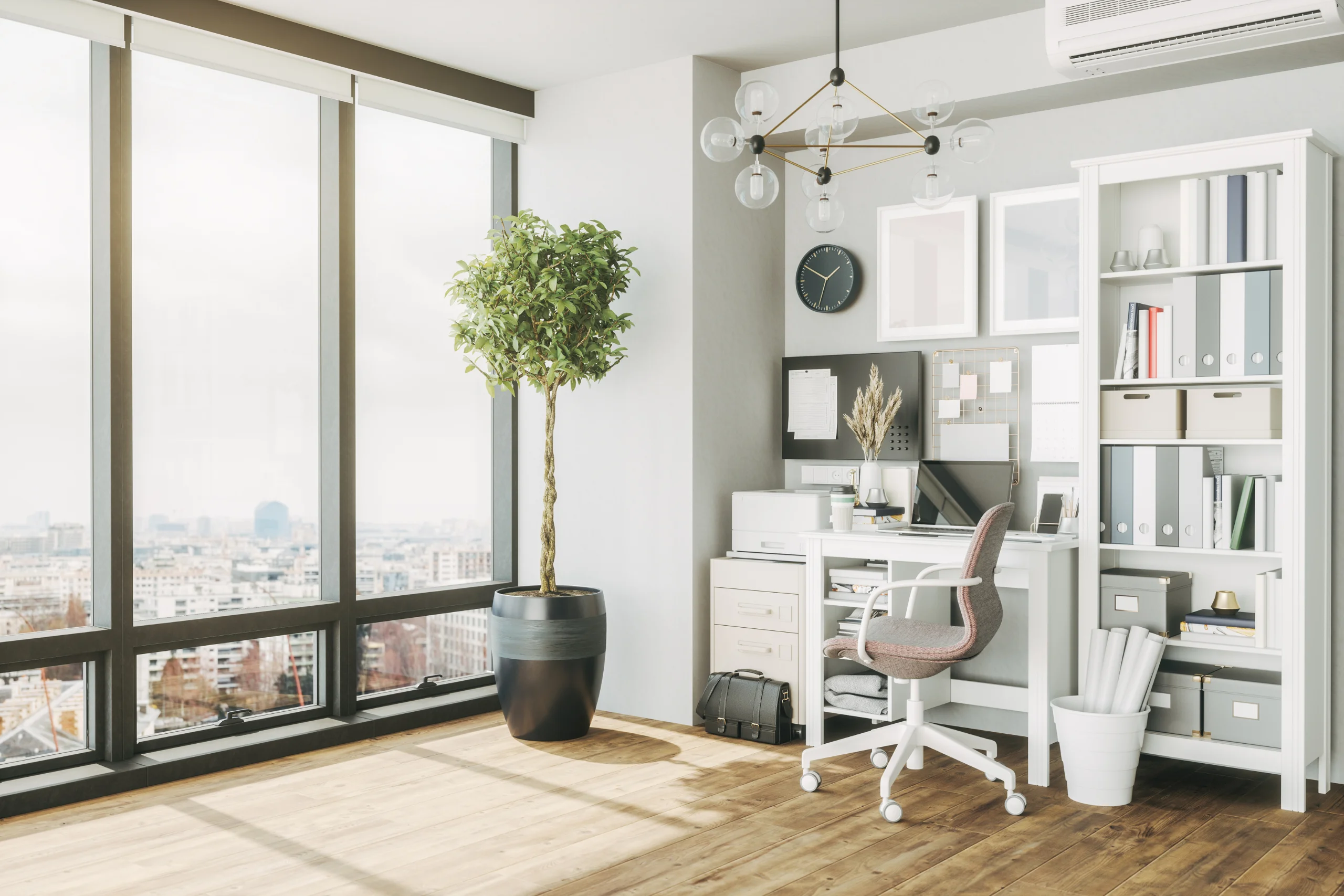
The biggest visual planes in any workspace are flooring and wall surfaces, which greatly affect appearance as well as use. Modern business flooring choices include luxury vinyl tile, which offers the look of natural materials with better durability and maintenance profiles. Polished concrete has a great lifetime and industrial appeal. Modular carpet solutions let you selectively replace high-traffic areas without complete reinstallation.
When choosing hard surface flooring, take acoustic factors into account and maybe include underlayments with sound absorption in crowded spaces. Beyond conventional paint, wall treatments include textured panels adding dimensional appeal, commercial wallcoverings made for high-traffic areas, and acoustic solutions enhancing sound quality while also serving as design accents. Changing flooring materials that naturally lead guests across various functional areas while preserving design cohesiveness helps to highlight zone transitions.
Invest in Branded Environmental Graphics
Environmental graphics turn everyday environments into engaging marketing experiences that convey corporate values and personality without an overt message. Think of dimensional signage made from materials reflecting your brand positioning, brushed metal for technical or luxury brands, and natural woods for organic or traditional companies. Window films show brand features or create artistic statements while nevertheless offering privacy. Murals use images that target consumers will find meaningful to express brand tales.
Wayfinding systems can be transformed from essentially practical to design components that enhance navigation and overall attractiveness. Digital screens offer chances for dynamic material to be updated for special promotions or seasonally. Writable surfaces combining design intent with utility help collaborative environments. Make sure all environmental visuals have consistent typeface, color application, and stylistic features supporting brand standards.
Curate Thoughtful Furniture and Fixtures
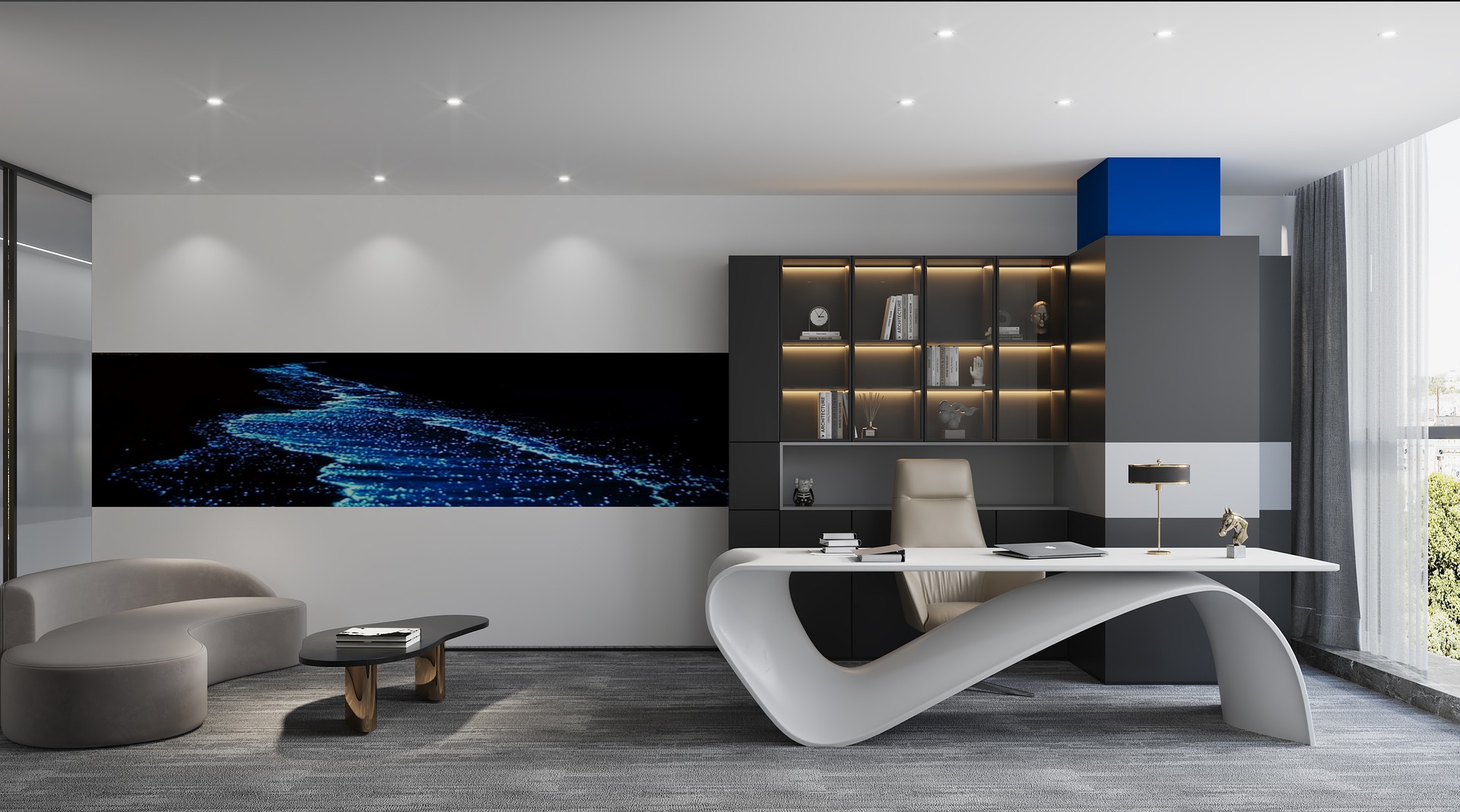
Through design language, material quality, and practical goals, furniture choices speak business values. Modern businesses are choosing furniture systems that can support a variety of work modes, from focused individual jobs to environments where people work together. Statement pieces that leave lasting first impressions and offer comfortable waiting experiences help reception areas. Think about furniture scale suitable for your area; huge items overpower small rooms, while undersized elements seem inadequate in larger areas.
Add multiple chair heights and designs to fit different physical demands and visit lengths. Custom millwork projects around point-of-sale systems, reception desks, and display systems produce branded touchpoints, improving the customer experience. Consistent materials for furniture and fixtures help to create harmonic settings even with different design accents.
Final Thoughts on Improving the Visual Appeal of Your Business
Proven techniques to enhance the visual appeal turn regular corporate settings into engaging brand experiences. These seven techniques convey expertise at every level by blending aesthetic appeal with practical needs. By using these improvements, one can develop areas that draw clients, inspire staff members, and improve market orientation. Every enhancement helps your company to have a coherent brand expression that distinguishes it and supports the investment by real returns in involvement and loyalty.
